Tensile Strength Test
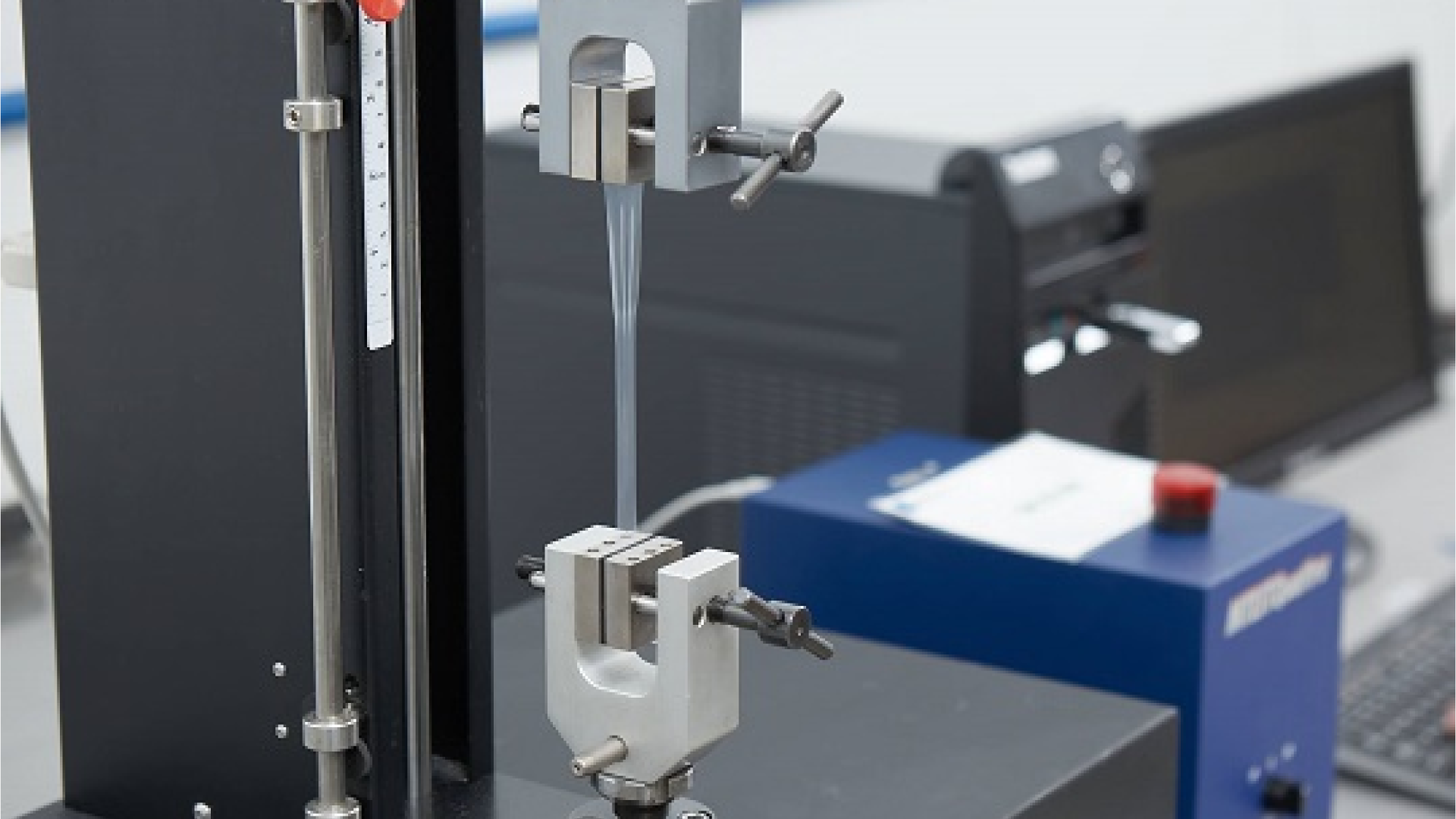
The Tensile Strength Test is one of the most fundamental and widely used methods in material testing. It measures how much pulling force a material can withstand before it breaks. This test is crucial for understanding the mechanical properties of metals, polymers, composites, and other construction materials. By determining tensile strength, engineers and manufacturers can ensure that materials meet required safety and performance standards.
What is Tensile Strength?
Tensile strength refers to the maximum amount of stress a material can endure while being stretched or pulled before it fails or fractures. It is usually measured in units such as megapascals (MPa) or pounds per square inch (psi). Tensile strength plays a vital role in applications like building structures, manufacturing machinery, automotive components, aerospace materials, and everyday products like wires and cables.
Purpose of the Tensile Strength Test
The main objective of the tensile strength test is to evaluate how a material behaves under tension. This test helps to:
-
Determine the ductility of a material (its ability to stretch without breaking).
-
Identify the elastic limit, yield point, and ultimate tensile strength (UTS).
-
Predict how a material will perform in real-world conditions, such as heavy loads or extreme stress.
-
Ensure that materials comply with industry standards and safety regulations.
Equipment Used for Tensile Testing
A Universal Testing Machine (UTM) is the primary equipment used to perform a tensile test. It applies a controlled pulling force to a material sample until it breaks. The machine records key data such as applied force and the elongation of the sample. Other essential tools include:
-
Extensometers: to measure the precise elongation of the sample.
-
Grips or clamps: to hold the material firmly during testing.
-
Data acquisition systems: to record and analyze test results.
Procedure of Tensile Strength Testing
-
Sample Preparation:
The material is cut into standardized shapes and sizes according to testing standards (like ASTM or ISO). -
Mounting the Sample:
The sample is securely placed between the grips of the UTM. -
Applying the Load:
A controlled tensile load is applied at a constant rate, stretching the sample. -
Data Collection:
The machine records the applied force and the elongation of the sample. -
Fracture and Analysis:
The test continues until the material breaks. Data is then analyzed to determine yield strength, UTS, and elongation percentage.
Key Parameters Measured
-
Ultimate Tensile Strength (UTS): The maximum stress the material can endure.
-
Yield Strength: The stress level at which permanent deformation begins.
-
Elongation at Break: The percentage increase in length before fracture.
-
Modulus of Elasticity: The material’s stiffness or resistance to deformation.
Applications of Tensile Strength Testing
Tensile testing is essential across multiple industries, including:
-
Construction: Testing steel bars, concrete reinforcements, and building materials.
-
Manufacturing: Ensuring the quality of components like bolts, wires, and sheets.
-
Aerospace and Automotive: Verifying the strength of lightweight materials like alloys and composites.
-
Research and Development: Developing new materials with specific performance requirements.
Conclusion
The Tensile Strength Test provides valuable insights into the mechanical behavior of materials under tension. By identifying critical properties such as yield strength, ductility, and UTS, this test helps engineers select the right materials for specific applications. Regular tensile testing ensures safety, durability, and quality in industries that rely heavily on strong and reliable materials.
Whether for construction, manufacturing, or innovation in new materials, tensile strength testing remains a cornerstone of material science and engineering.
Share This Wings
Related Post
Material Testing Lab
Biomedical Lab
Food Testing Lab
Education & R&D Lab
Metrology Lab
Calibration Lab

IT & Cyber-Security Lab

Simulation Lab

Port Management

Traffic Management
Border Management

Security Surveillance

Smart Lighting & Lightning
Tensile Strength Test
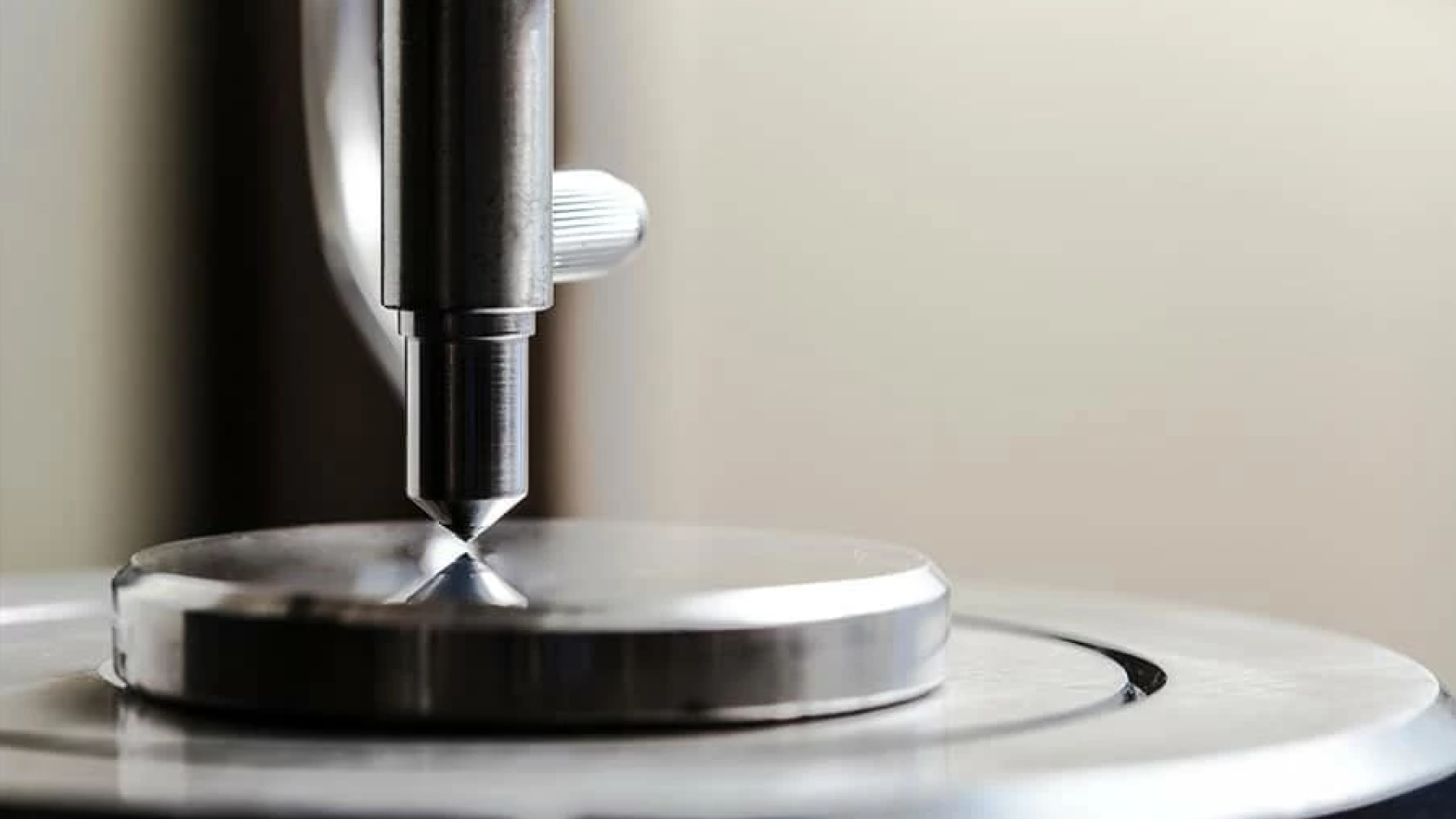
Hardness Test
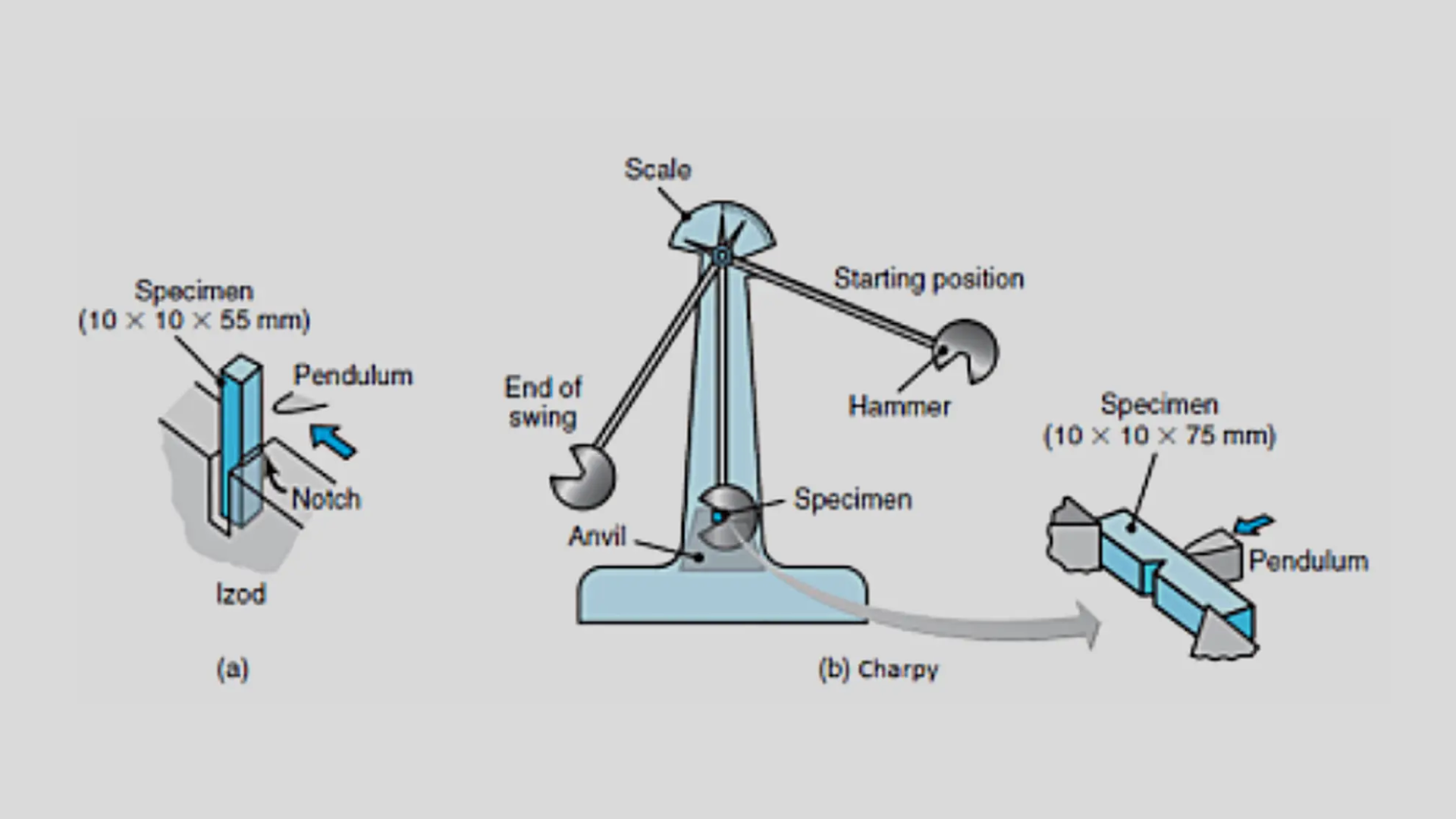
Impact Test (Charpy/Izod)
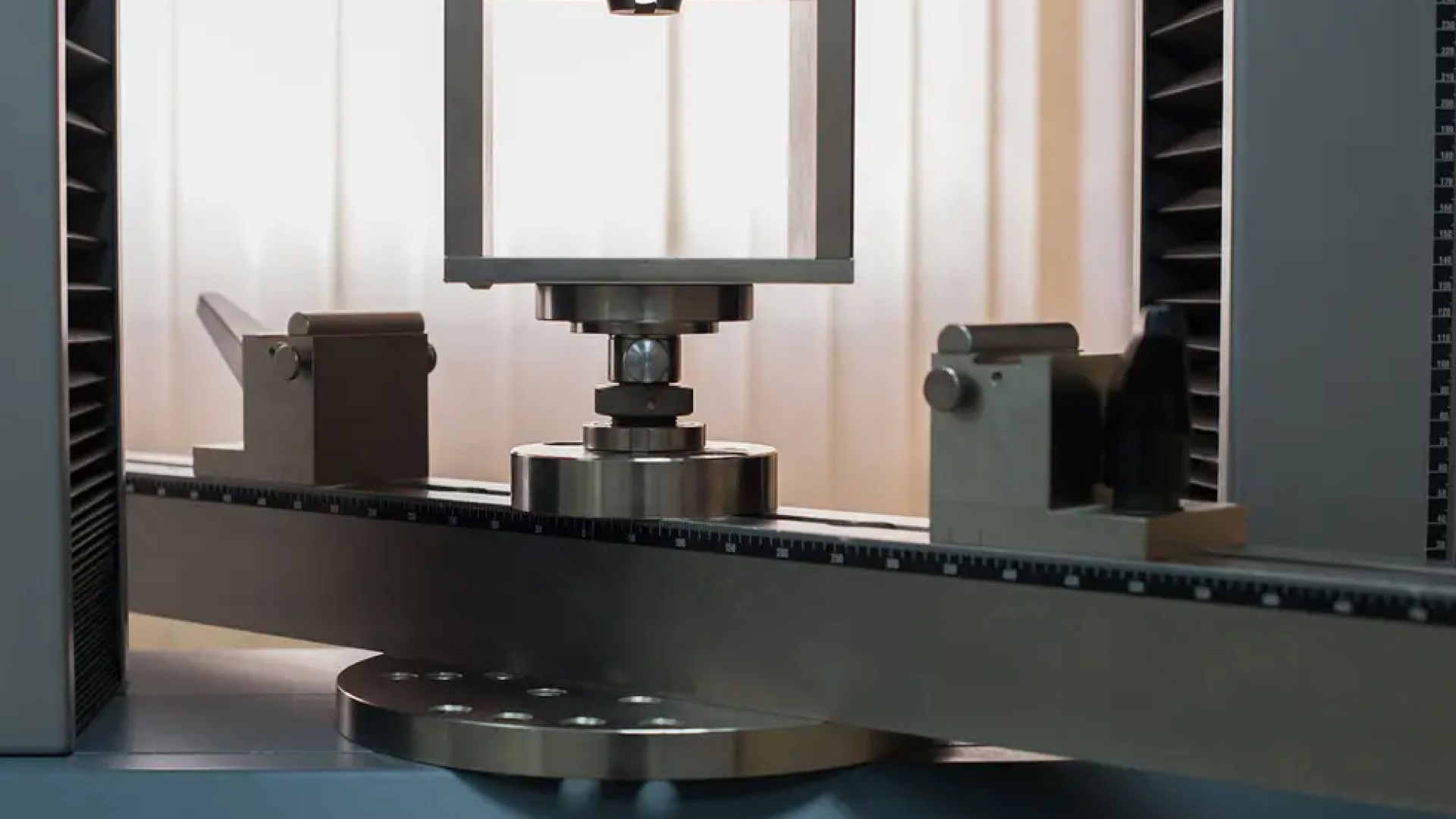
Compression Test

Healthcare Laboratory
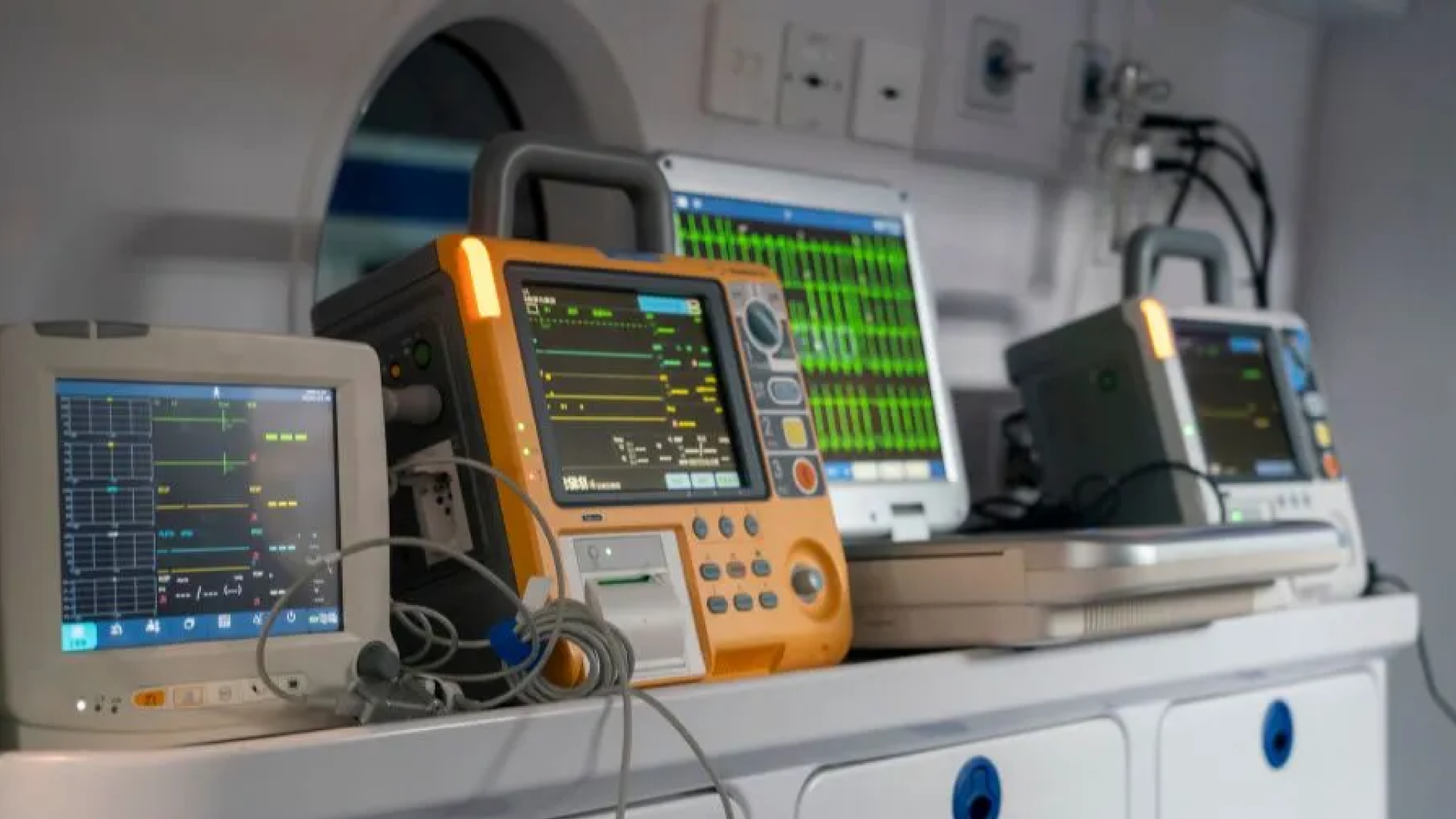
Medical Device Calibration
Quality & Safety Testing

Research & Development Support

Proximate Analysis

Microbiological Testing

Nutritional Labeling & Fortification

Safety & Compliance Testing

Chemistry Lab
Physics Lab

Biology Lab

Environmental Science Lab

Laboratory Accreditation

Quality Assurance Consultancy
Topics