Air Quality Testing Lab
- Published inMetrology & Applied Science
- Jun 27, 2024
- 2.28 Min
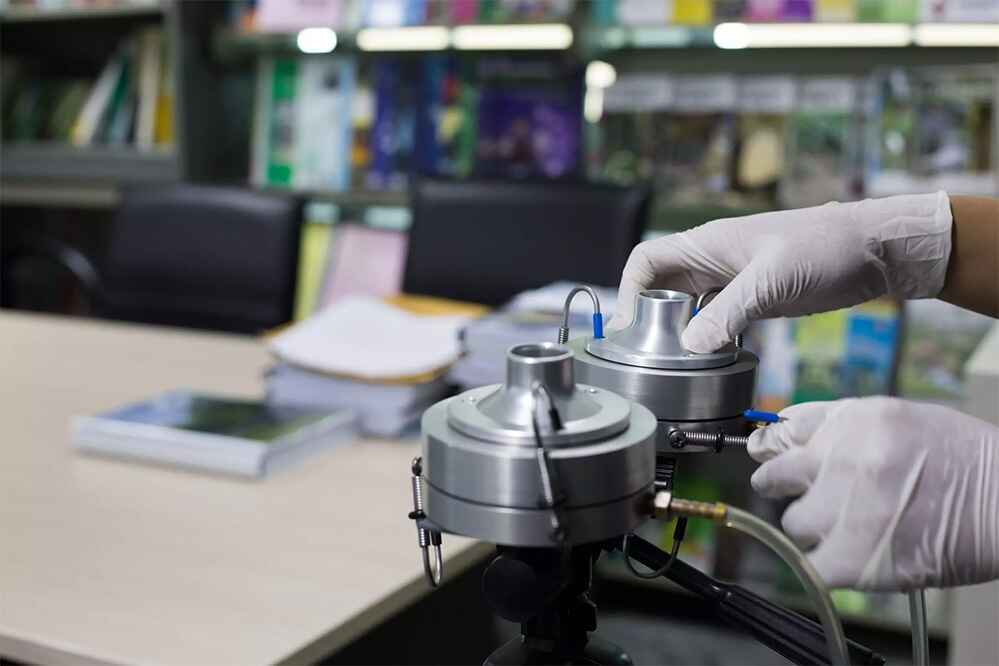
Air Quality Testing Lab in Bangladesh
Air pollution has become a major concern in Bangladesh over the past few decades. Rapid industrialization, urbanization, and increased vehicle emissions have significantly affected the air we breathe. Monitoring and controlling air quality is essential not only for public health but also for environmental sustainability. This is where professional Air Quality Testing Labs in Bangladesh play a crucial role, providing accurate and reliable data to help combat pollution.
Importance of Air Quality Testing
Air quality testing is vital for identifying the levels of pollutants in the atmosphere. Pollutants like particulate matter (PM2.5 and PM10), carbon monoxide (CO), nitrogen oxides (NOx), sulfur dioxide (SO2), and volatile organic compounds (VOCs) can cause serious health issues if left unchecked. Regular air quality monitoring allows industries, government agencies, and environmental organizations to take timely measures to reduce pollution and improve air standards.
In Bangladesh, cities like Dhaka, Chattogram, and Narayanganj face severe air quality challenges due to traffic congestion and industrial emissions. Professional air quality labs help detect harmful pollutants, enabling authorities to implement stricter regulations and industries to adopt cleaner technologies.
Services Offered by Air Quality Testing Labs
Modern air quality testing labs in Bangladesh provide a wide range of services to address pollution concerns. Some of the key services include:
-
Ambient Air Monitoring: Measures the quality of outdoor air in cities, industrial areas, and near construction sites to ensure compliance with national and international air quality standards.
-
Industrial Emission Testing: Evaluates emissions from factories and power plants to ensure they meet environmental regulations, helping industries reduce their carbon footprint.
-
Indoor Air Quality Assessment: Analyzes indoor spaces such as offices, schools, and hospitals for pollutants like mold, VOCs, and particulate matter to create healthier indoor environments.
-
Air Pollution Source Identification: Helps determine the sources of pollution, whether vehicular, industrial, or natural, which is crucial for planning mitigation strategies.
-
Real-Time Air Monitoring: Utilizes advanced sensors and equipment to provide continuous monitoring of air quality, offering instant data for quick decision-making.
Why Choose a Professional Lab
Selecting a professional air quality testing lab ensures accuracy and credibility. Certified labs in Bangladesh follow international protocols and use state-of-the-art equipment to detect even trace amounts of pollutants. Accuracy in testing is critical because air quality data influences public health policies, environmental permits, and industrial compliance reports.
Moreover, professional labs provide detailed analytical reports that help industries adopt eco-friendly practices and enable government agencies to monitor compliance efficiently. Many labs also offer consulting services to help organizations reduce emissions and improve workplace air quality.
Technological Advancements in Air Quality Testing
The field of air quality testing in Bangladesh has advanced rapidly with the adoption of modern technologies. Instruments like gas analyzers, particulate counters, and continuous air monitoring systems (CAMS) now make it possible to track pollution levels with precision. Data from these devices can be integrated with software systems for real-time analysis and reporting, which is extremely valuable for environmental authorities and urban planners.
Advanced labs also conduct seasonal and long-term air quality studies, helping researchers understand patterns of pollution and their impact on health. By combining technology with scientific expertise, air quality labs are paving the way for a cleaner and safer environment in Bangladesh.
Role in Environmental Sustainability
Air quality testing labs contribute significantly to environmental sustainability. By providing actionable data, these labs enable industries to implement cleaner production methods, reduce harmful emissions, and comply with environmental regulations. Urban planners can design cities with better air circulation, green spaces, and traffic management, ultimately improving the quality of life for residents.
Government initiatives, when supported by accurate data from professional labs, can lead to effective pollution control measures. Citizens also benefit by gaining awareness about air quality issues and taking personal steps to minimize exposure to pollutants.
Related Industries

Chemical Testing Lab
Water Testing Lab

Oil Testing Lab
Material Testing Lab

Food Testing Lab
Environmental Testing Lab
Air Quality Testing Lab
Water Quality Testing Lab
Soil Testing Lab
Topics