Water Quality Testing Lab
- Published inMetrology & Applied Science
- Jun 27, 2024
- 2.27 Min
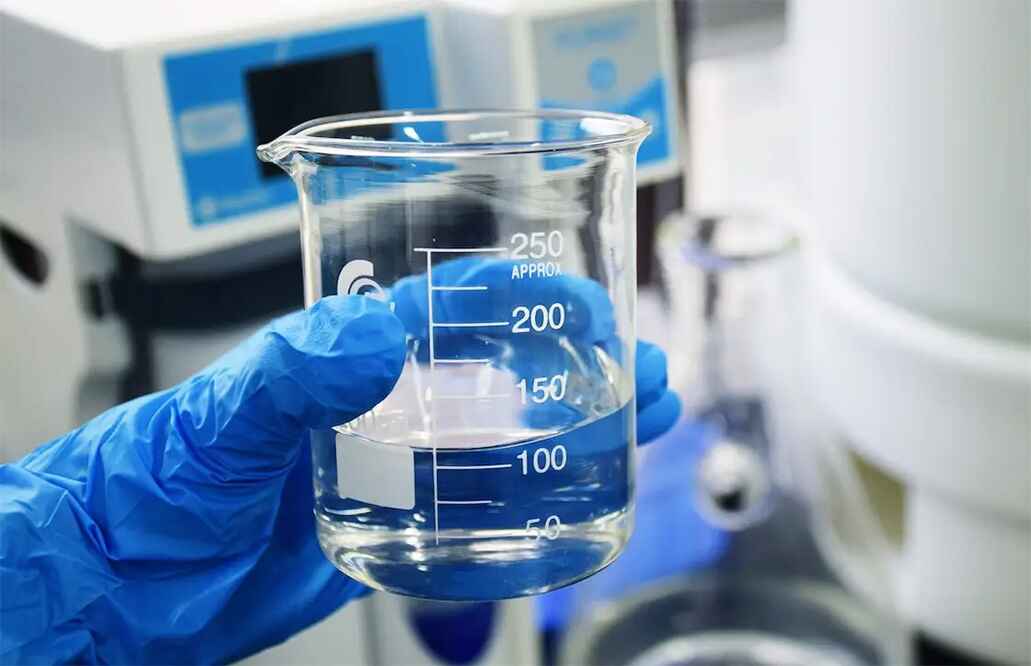
Water Quality Testing Lab in Bangladesh
Ensuring safe and clean water is one of the most critical challenges in Bangladesh today. With rapid urbanization, industrial growth, and agricultural expansion, water contamination has become a pressing concern for households, industries, and communities alike. This makes the role of a water quality testing lab in Bangladesh more important than ever.
A water quality testing lab is a specialized facility where water samples are examined for physical, chemical, and biological contaminants. These labs play a crucial role in protecting public health by identifying pollutants such as heavy metals, pathogens, chemicals, and sediments. By detecting these harmful substances early, labs help prevent waterborne diseases and ensure compliance with national and international safety standards.
Importance of Water Quality Testing in Bangladesh
Bangladesh, being a deltaic country with extensive river networks, relies heavily on surface water, groundwater, and rainwater for domestic, agricultural, and industrial purposes. Unfortunately, many of these water sources are exposed to pollutants due to industrial effluents, agricultural runoff, and inadequate sanitation systems. Contaminated water can lead to serious health problems including diarrhea, cholera, arsenicosis, and other waterborne diseases.
By using a water quality testing lab, communities and businesses can monitor water conditions regularly. Testing provides critical data that help in decision-making, whether it’s for municipal water supply management, industrial wastewater treatment, or ensuring safe drinking water in households.
Services Offered by Water Quality Testing Labs
Water quality testing labs in Bangladesh offer a wide range of services tailored to meet regulatory and environmental standards. Some of the key testing services include:
-
Physical Analysis: Measurement of color, odor, turbidity, and temperature to determine water’s general quality.
-
Chemical Analysis: Detection of pH levels, heavy metals (like lead, arsenic, and mercury), nitrates, phosphates, and other chemical contaminants.
-
Microbiological Analysis: Identification of harmful bacteria, viruses, and parasites that can cause waterborne illnesses.
-
Industrial Water Testing: Evaluation of water used in industries to ensure it meets specific process and safety standards.
-
Environmental Impact Assessment: Testing water bodies to measure pollution levels and recommend remediation strategies.
These services are essential for households, municipalities, and industries seeking to maintain high water quality standards and adhere to government regulations.
Why Choose a Professional Water Quality Testing Lab
Choosing a professional water quality testing lab in Bangladesh guarantees accurate and reliable results. Modern labs are equipped with advanced instruments like atomic absorption spectrometers, gas chromatographs, and microbial culture systems. Experienced technicians ensure that each sample is analyzed according to standard protocols.
Professional labs also provide detailed reports with recommendations for treatment or corrective actions. This is particularly valuable for industries and municipalities aiming to comply with environmental laws or for private clients who want to ensure their drinking water is safe.
Role in Sustainable Development
Water quality testing labs play a crucial role in promoting sustainable development in Bangladesh. Clean water is not only vital for health but also for agriculture, aquaculture, and industrial growth. Regular water testing supports efficient water management, reduces the risk of contamination, and safeguards natural resources.
For example, in agricultural areas, testing groundwater for chemical residues helps farmers prevent soil and crop contamination. In industrial zones, monitoring effluent discharge prevents pollution of nearby rivers and lakes, protecting ecosystems and local communities.
Emerging Trends in Water Quality Testing
The water quality testing industry in Bangladesh is evolving with technological advancements. Many labs are adopting real-time water monitoring systems, automated analysis tools, and digital reporting methods. These innovations improve testing speed, accuracy, and accessibility, making it easier for clients to receive actionable insights.
Furthermore, awareness campaigns and government initiatives are encouraging more businesses and households to invest in regular water testing. This proactive approach helps reduce public health risks and promotes a culture of water safety across the country.
Related Industries

Chemical Testing Lab
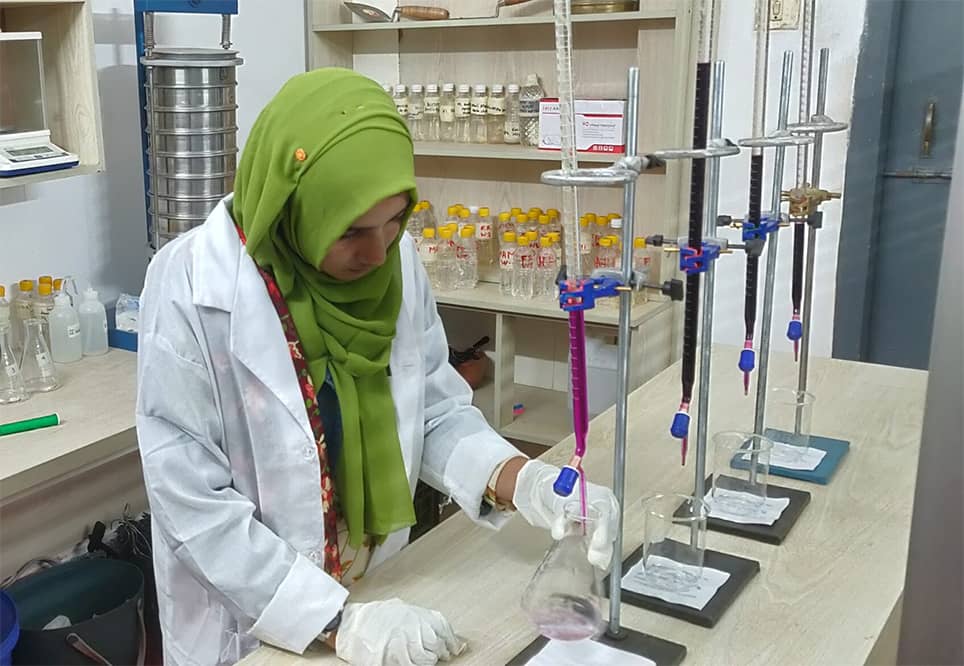
Water Testing Lab
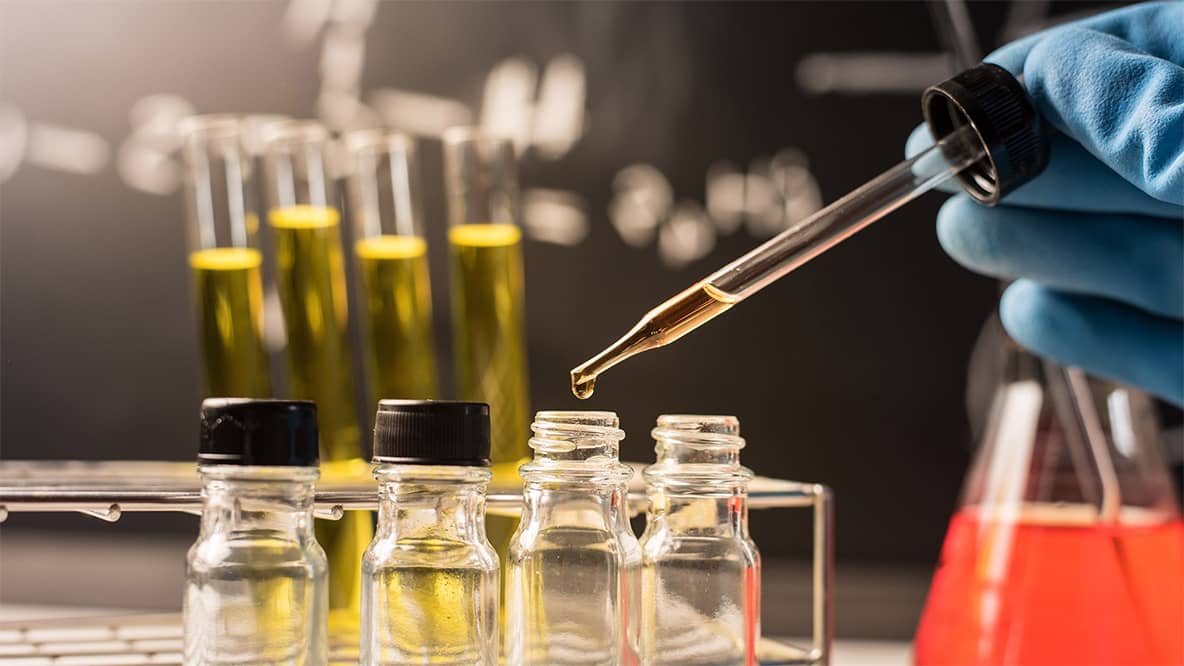
Oil Testing Lab
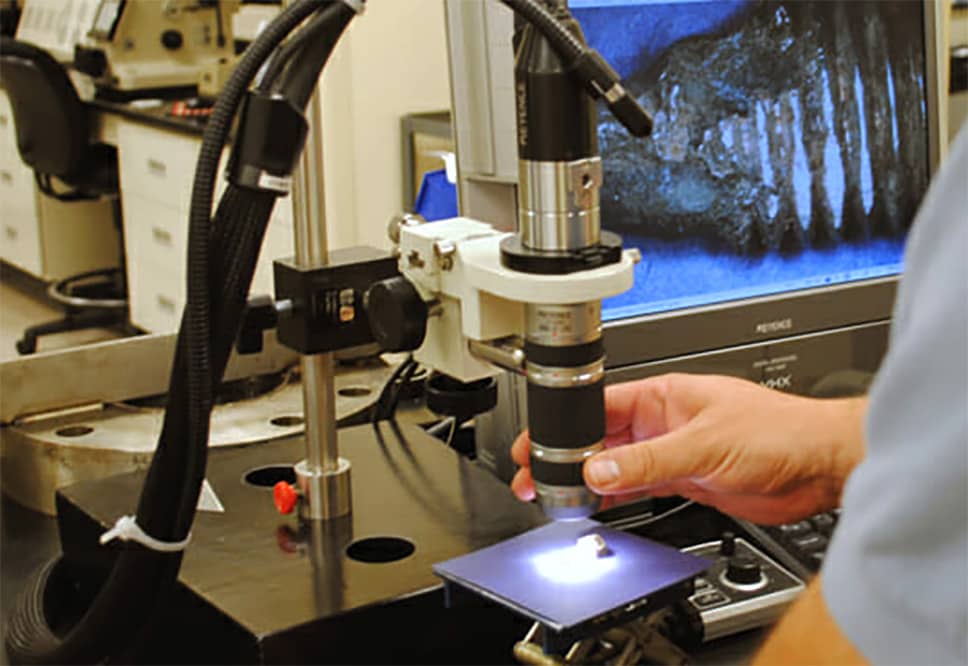
Material Testing Lab

Food Testing Lab
Environmental Testing Lab
Air Quality Testing Lab
Water Quality Testing Lab
Soil Testing Lab
Topics