Material Testing Lab
- Published inMetrology & Applied Science
- Jun 27, 2024
- 2.79 Min
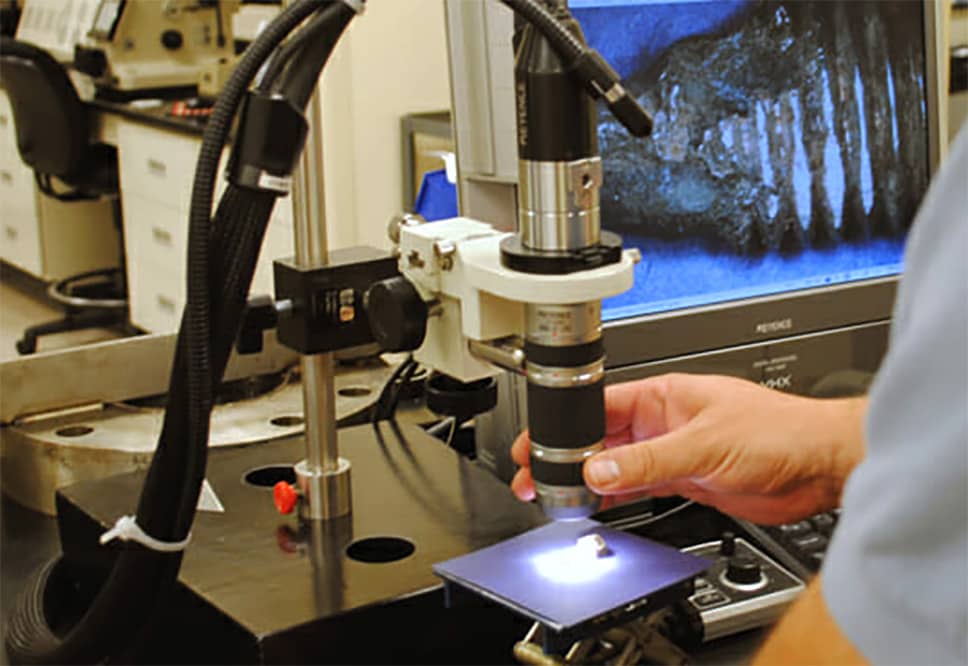
Material Testing Lab in Bangladesh
In today’s fast-paced industrial world, the quality of raw materials and finished products plays a critical role in ensuring safety, durability, and performance. Companies, contractors, and manufacturers in Bangladesh are increasingly relying on material testing labs to maintain high standards and comply with regulatory requirements. A material testing lab in Bangladesh offers advanced testing services that help businesses make informed decisions and improve product reliability.
Importance of Material Testing
Material testing is essential to assess the physical, chemical, and mechanical properties of materials used in construction, manufacturing, and various industrial applications. By testing materials, companies can identify weaknesses, prevent failures, and ensure compliance with international standards. This not only improves safety but also enhances cost-efficiency by reducing wastage and avoiding costly rework.
For industries in Bangladesh, especially construction, automotive, and manufacturing sectors, material testing labs provide accurate results that are crucial for long-term durability and performance. These labs help determine the quality of metals, concrete, plastics, soils, and other industrial materials.
Types of Material Testing
A professional material testing lab in Bangladesh offers a wide range of testing services. Some of the most common types include:
-
Mechanical Testing
Mechanical testing evaluates the strength and durability of materials under different loads. Tests like tensile, compression, bending, and impact tests help engineers understand how materials will behave in real-world applications. -
Chemical Testing
Chemical testing identifies the composition of materials and detects impurities or contaminants. It ensures that raw materials and finished products meet industry specifications and safety standards. -
Non-Destructive Testing (NDT)
NDT allows inspection of materials without causing damage. Techniques such as ultrasonic testing, radiography, and magnetic particle testing help detect internal defects in metals and structural components. -
Concrete and Soil Testing
For construction projects, concrete and soil testing is crucial. Labs test the compressive strength of concrete and the properties of soil, such as density, moisture content, and bearing capacity, to ensure safe and durable structures. -
Metallurgical Testing
Metallurgical analysis helps determine the microstructure, hardness, and quality of metals and alloys. This is particularly important for manufacturing industries where material performance under stress is critical.
Advanced Equipment and Technology
Modern material testing labs in Bangladesh are equipped with advanced technology to deliver accurate and reliable results. Automated testing machines, digital microscopes, spectrometers, and data analysis software are commonly used. These technologies not only reduce human error but also speed up the testing process, allowing clients to receive results faster.
Additionally, many labs follow international testing standards such as ASTM, ISO, and BS, ensuring that results are globally recognized and accepted. This is particularly important for export-oriented industries in Bangladesh, where adherence to international standards is mandatory.
Benefits of Using a Material Testing Lab
Partnering with a reputable material testing lab in Bangladesh brings numerous benefits to businesses:
-
Quality Assurance: Ensures materials meet design and safety requirements.
-
Risk Reduction: Identifies potential material failures before they cause accidents or losses.
-
Regulatory Compliance: Helps companies adhere to national and international standards.
-
Cost Efficiency: Minimizes material wastage and reduces unnecessary rework.
-
Enhanced Reputation: High-quality products improve brand credibility and customer trust.
Choosing the Right Material Testing Lab
When selecting a material testing lab in Bangladesh, companies should consider several factors:
-
Accreditation and Certification: Verify if the lab is accredited by recognized organizations and follows international standards.
-
Range of Services: Ensure the lab provides the specific tests required for your materials.
-
Equipment and Technology: Modern equipment ensures accuracy and efficiency.
-
Experienced Professionals: Skilled technicians and engineers improve reliability and interpretation of results.
-
Turnaround Time: Timely delivery of test results is critical for project schedules.
Material Testing in Bangladesh: Industry Applications
Material testing labs serve a wide variety of industries in Bangladesh. Some key applications include:
-
Construction Industry: Testing concrete, steel, bricks, and soil to ensure the structural integrity of buildings, bridges, and roads.
-
Manufacturing Industry: Evaluating metals, plastics, and composites for machinery, automotive parts, and consumer products.
-
Energy Sector: Testing materials used in power plants, pipelines, and renewable energy projects.
-
Research and Development: Supporting innovation by analyzing new materials and improving product performance.
-
Environmental Testing: Ensuring materials do not negatively impact the environment and comply with safety regulations.
Future of Material Testing in Bangladesh
With rapid industrial growth, the demand for reliable material testing services in Bangladesh is increasing. Labs are investing in automation, advanced software, and high-precision instruments to meet the growing needs of industries. Moreover, there is a rising focus on sustainable and eco-friendly materials, which requires specialized testing methods.
As businesses continue to prioritize quality, safety, and regulatory compliance, material testing labs in Bangladesh will play an even more crucial role in shaping the industrial landscape.
Related Industries
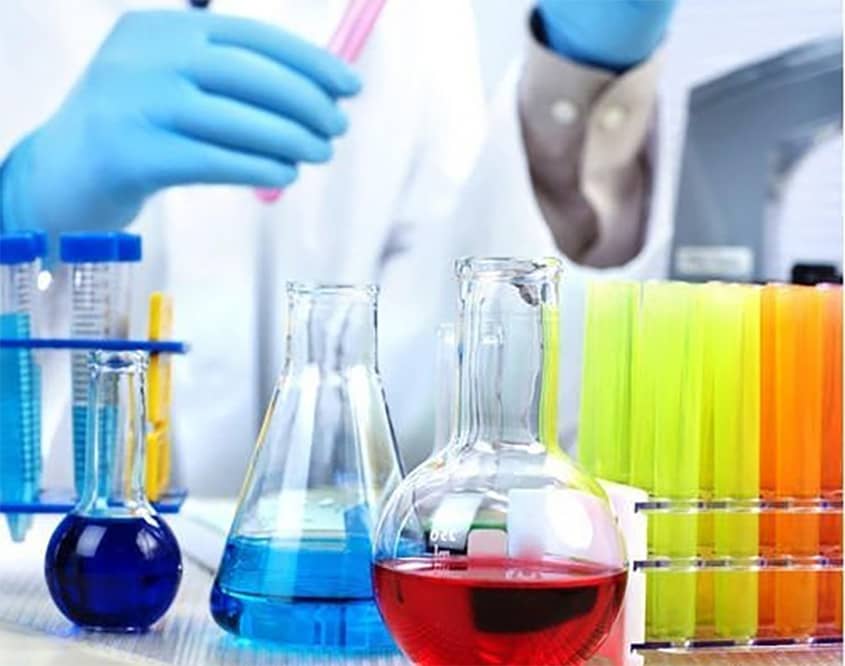
Chemical Testing Lab
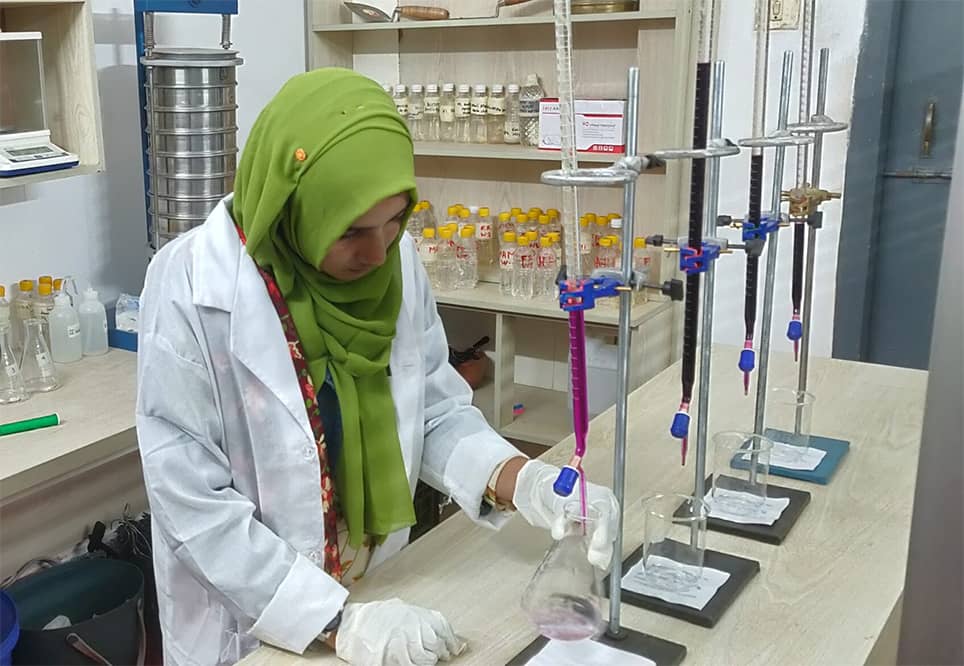
Water Testing Lab
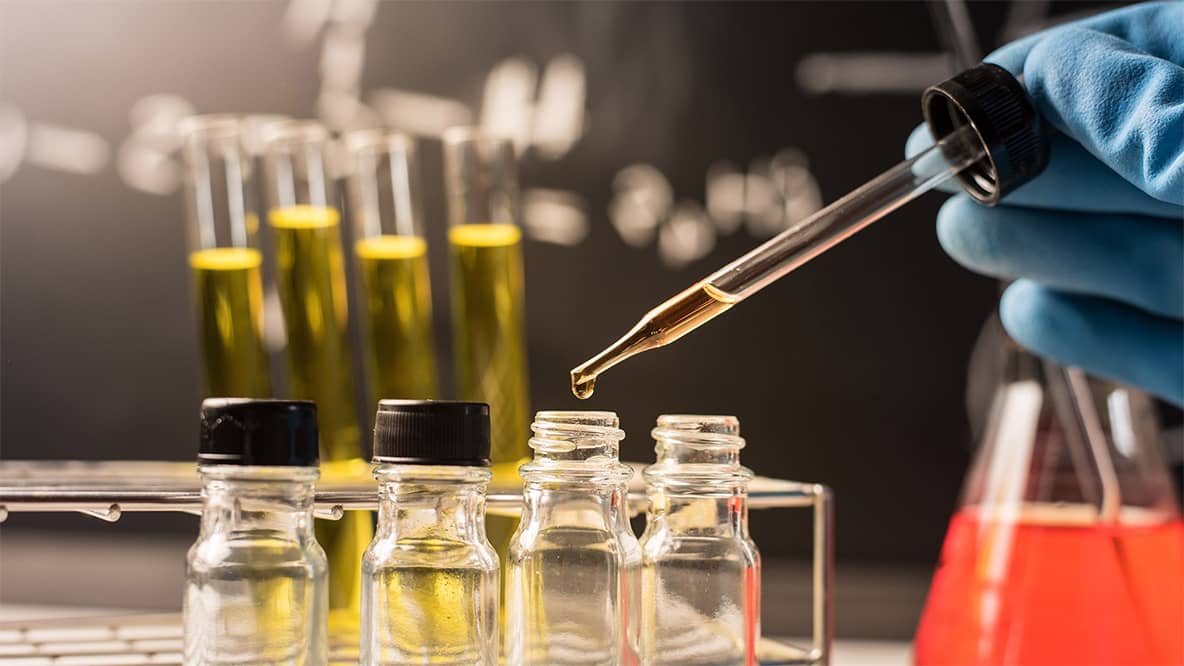
Oil Testing Lab
Material Testing Lab

Food Testing Lab
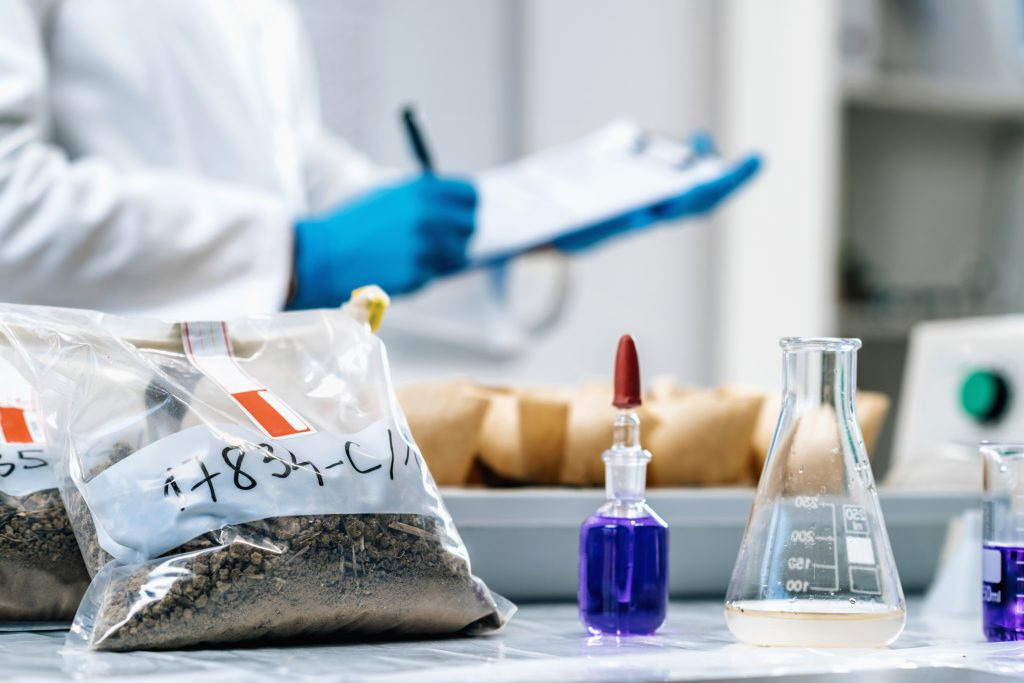
Environmental Testing Lab
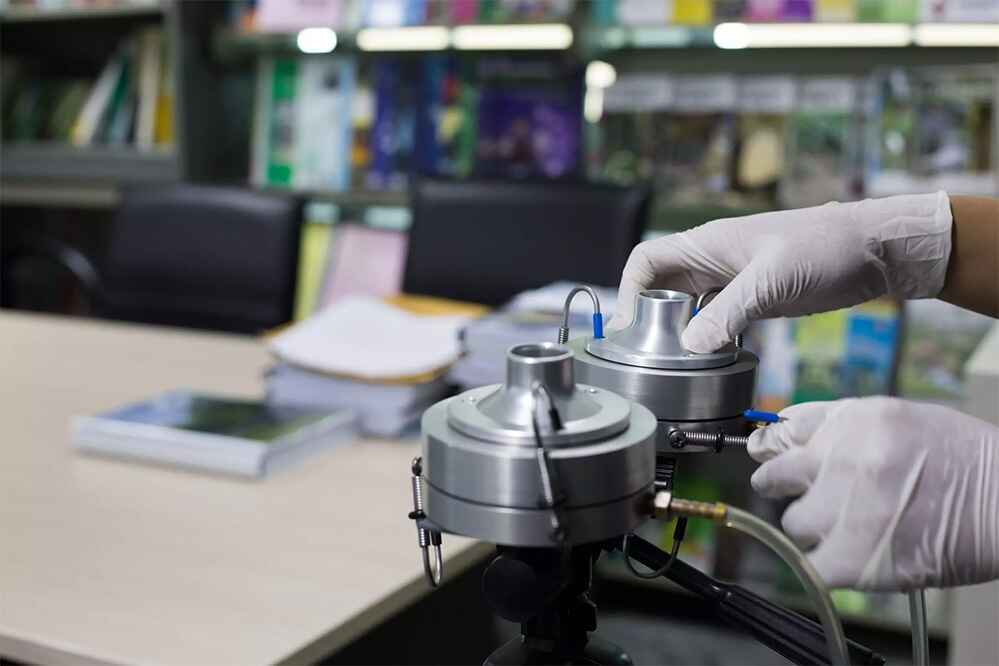
Air Quality Testing Lab
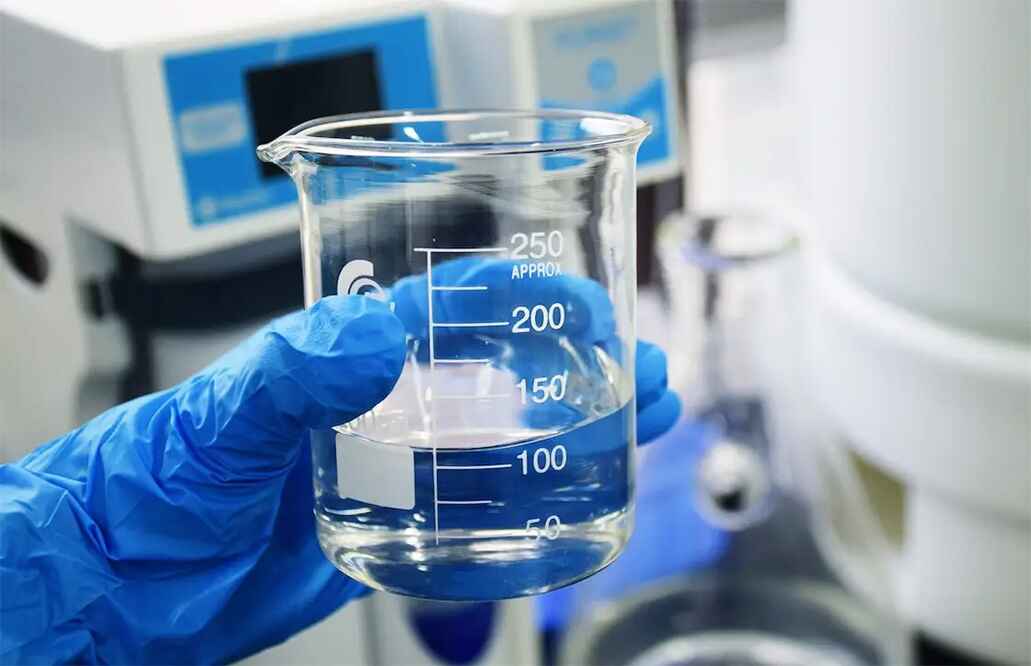
Water Quality Testing Lab
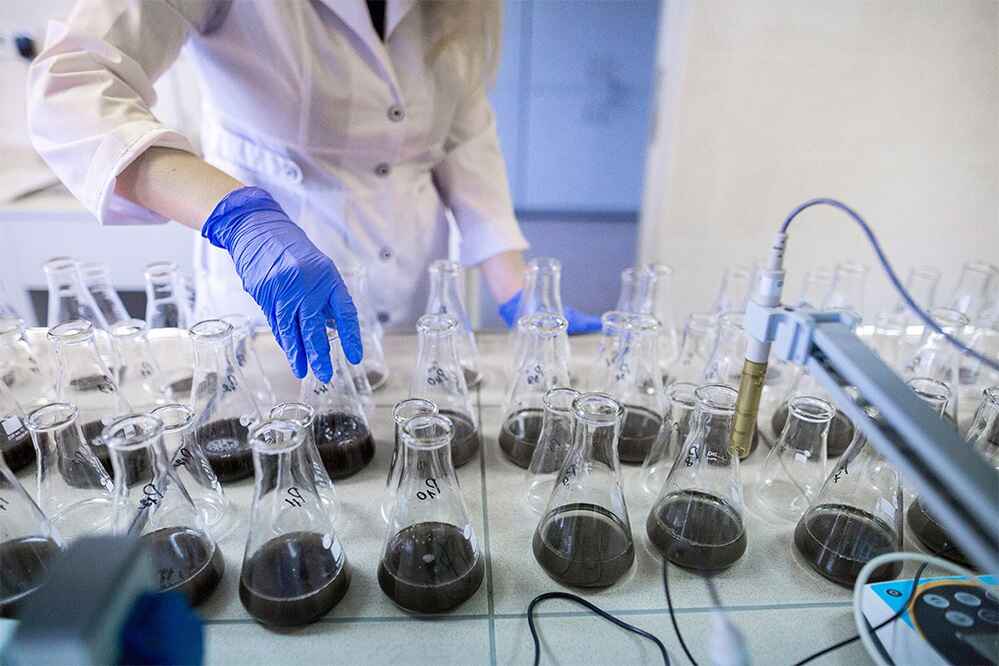
Soil Testing Lab
Topics