Environmental Testing Lab
- Published inMetrology & Applied Science
- Jun 27, 2024
- 2.17 Min
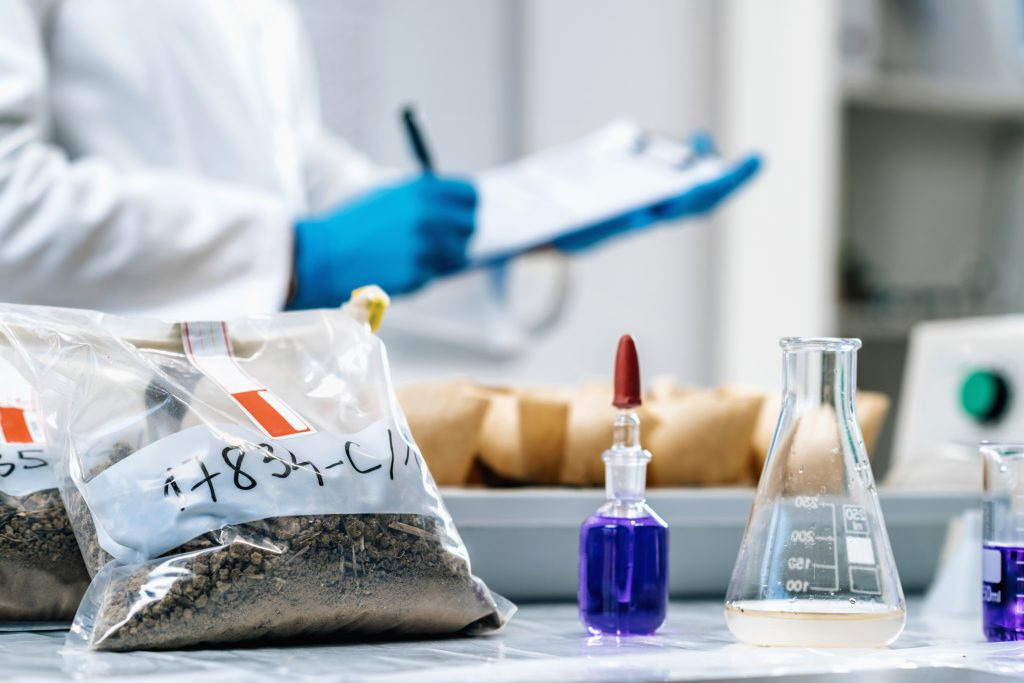
Environmental Testing Lab in Bangladesh
Environmental testing labs play a crucial role in maintaining the balance between industrial growth and ecological sustainability. In Bangladesh, rapid industrialization and urban expansion have increased the need for rigorous environmental testing. These labs ensure that air, water, soil, and other natural resources remain safe and within regulatory standards, protecting both human health and the environment.
Importance of Environmental Testing Labs in Bangladesh
Bangladesh is experiencing significant growth in industries such as textiles, chemicals, pharmaceuticals, and food processing. While these industries contribute to economic development, they also pose serious environmental risks if waste and emissions are not monitored. Environmental testing labs provide accurate analysis to detect pollutants, hazardous chemicals, and other harmful substances.
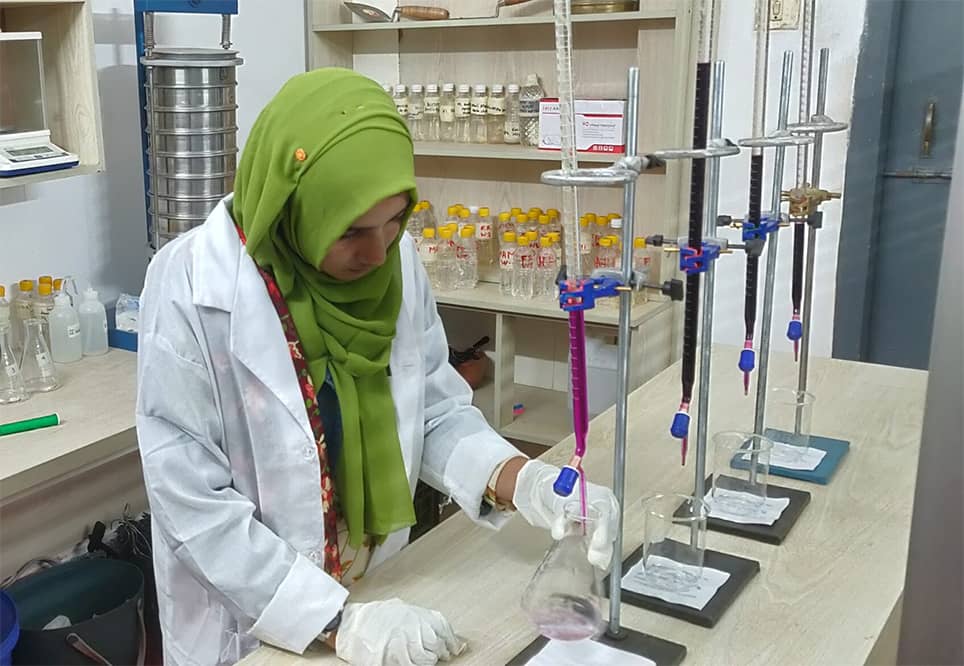
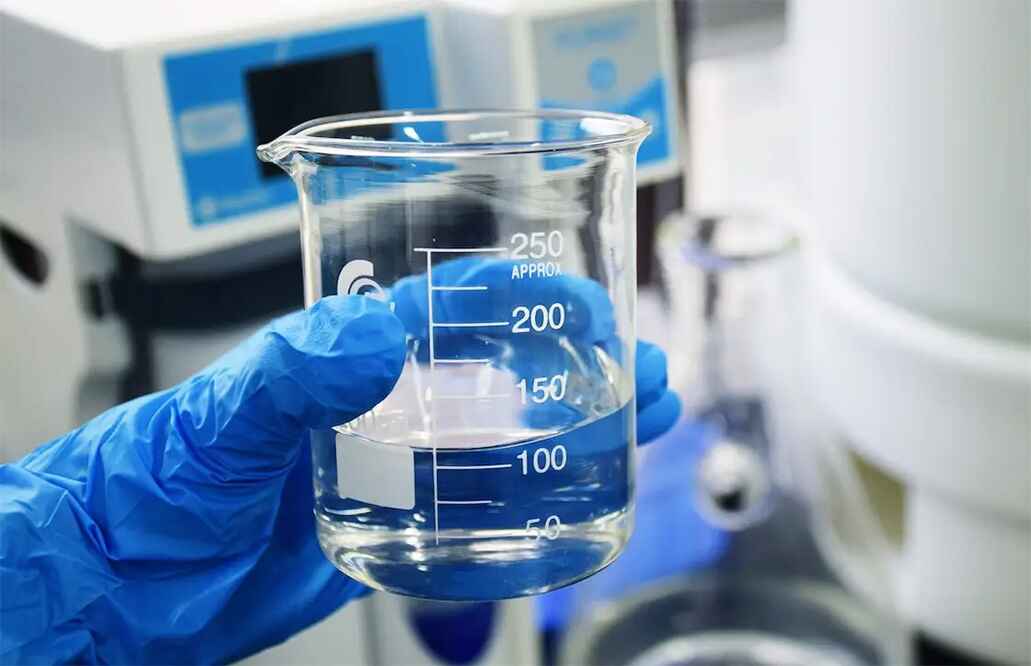
Water contamination, air pollution, and soil degradation are major environmental challenges in Bangladesh. For instance, industrial effluents often contain heavy metals, dyes, and chemical residues, which can harm aquatic life and disrupt local ecosystems. Environmental testing labs conduct comprehensive water quality tests to detect these contaminants and provide actionable insights for remediation.
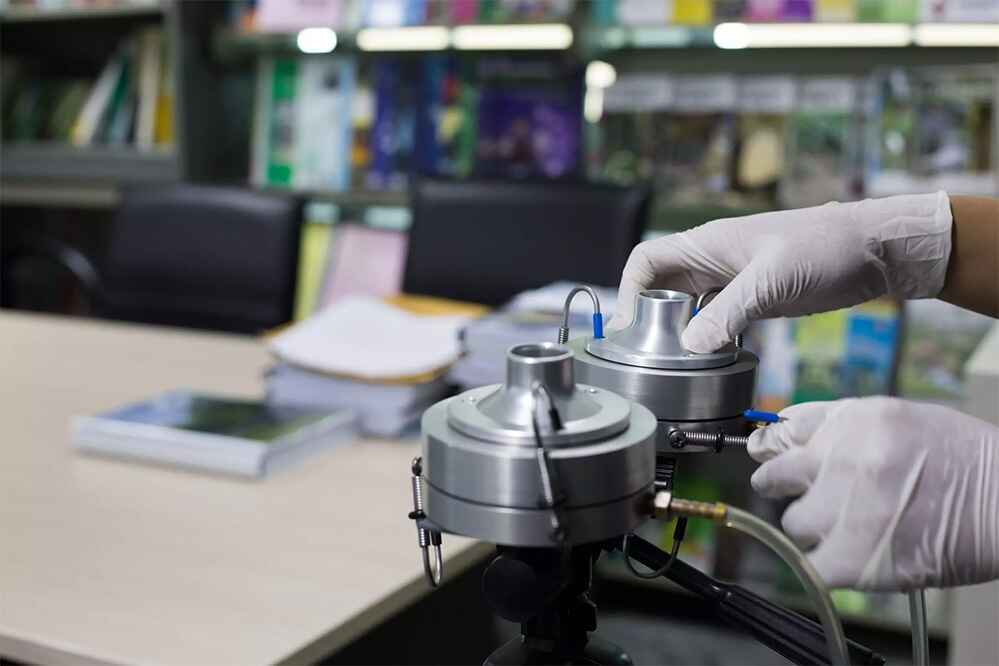
Air quality testing is another critical service offered by these labs. With the rise of urban traffic, construction, and industrial emissions, air pollution has become a pressing concern in cities like Dhaka and Chittagong. Labs use advanced equipment to measure particulate matter (PM2.5 and PM10), nitrogen oxides, sulfur dioxide, carbon monoxide, and volatile organic compounds. These results help authorities and businesses implement pollution control strategies effectively.
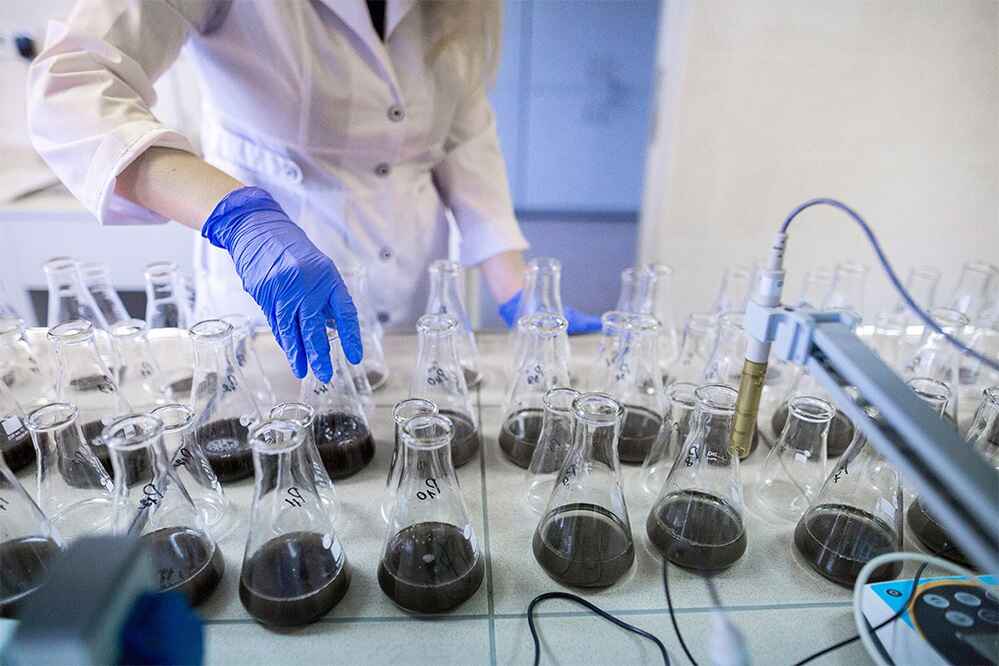
Soil testing is equally vital. Contaminated soil can affect agriculture, reduce crop yield, and introduce harmful chemicals into the food chain. Environmental labs analyze soil samples for heavy metals, pesticides, nutrient content, and pH levels. This data supports sustainable farming practices and helps prevent long-term environmental damage.
Modern environmental testing labs in Bangladesh also focus on emerging areas such as waste management, noise pollution monitoring, and indoor air quality assessment. Noise pollution from construction sites, traffic, and industrial zones is becoming increasingly problematic. Labs measure decibel levels and provide recommendations to comply with legal limits, ensuring a safer and healthier environment.
Environmental labs are equipped with sophisticated instruments such as gas chromatographs, spectrophotometers, atomic absorption spectrometers, and microbiological testing tools. These technologies allow for precise and reliable analysis, making it easier to detect even trace levels of pollutants. Skilled professionals interpret the results and generate reports that comply with national and international standards, including ISO, ASTM, and WHO guidelines.
For businesses, working with an accredited environmental testing lab is essential for regulatory compliance and sustainability reporting. Many industries in Bangladesh are required to submit environmental impact assessments and pollution control reports to government authorities. Labs provide the necessary testing data, helping companies maintain legal compliance and enhance their corporate social responsibility initiatives.
In addition, environmental testing labs contribute to public health. By analyzing water, air, and soil, they help prevent disease outbreaks caused by contaminated resources. For example, detecting pathogens in drinking water or harmful chemicals in agricultural soil can prevent long-term health issues and improve overall community well-being.
Sustainability and eco-friendly practices are gaining more attention in Bangladesh. Environmental labs support green initiatives by helping organizations monitor their environmental footprint, optimize resource usage, and reduce hazardous emissions. Companies can leverage testing data to implement cleaner production methods and achieve certifications for environmental management systems.
In summary, environmental testing labs in Bangladesh are indispensable for industrial development, public health, and ecological preservation. They provide precise analysis, ensure regulatory compliance, and promote sustainable practices. Whether it is water, air, soil, or waste, these labs act as a bridge between environmental responsibility and industrial growth, making Bangladesh a safer and more sustainable country.
Related Industries

Chemical Testing Lab
Water Testing Lab

Oil Testing Lab
Material Testing Lab

Food Testing Lab
Environmental Testing Lab
Air Quality Testing Lab
Water Quality Testing Lab
Soil Testing Lab
Topics