Chemical Testing Lab
- Published inMetrology & Applied Science
- Jun 27, 2024
- 3.59 Min
Chemical Testing Lab in Bangladesh
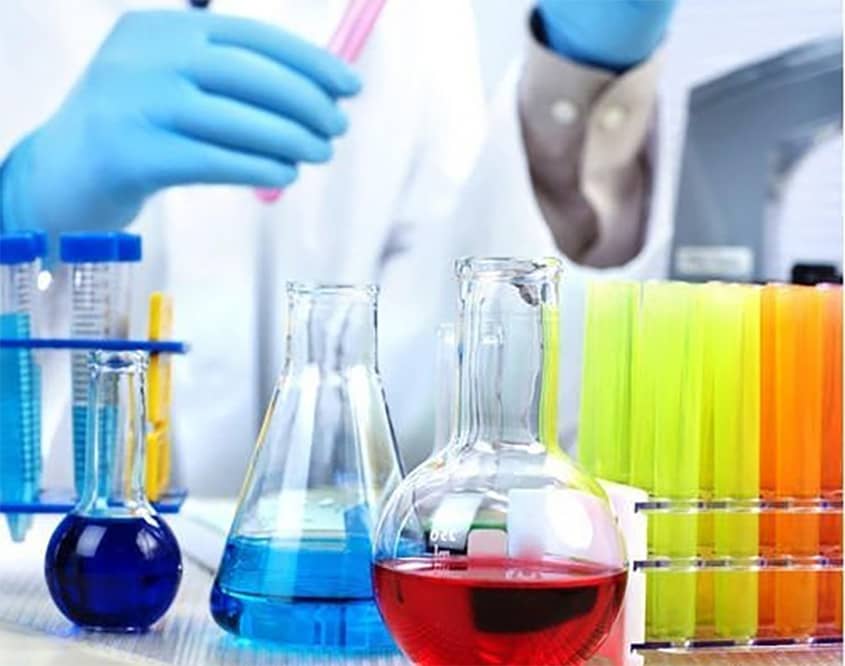
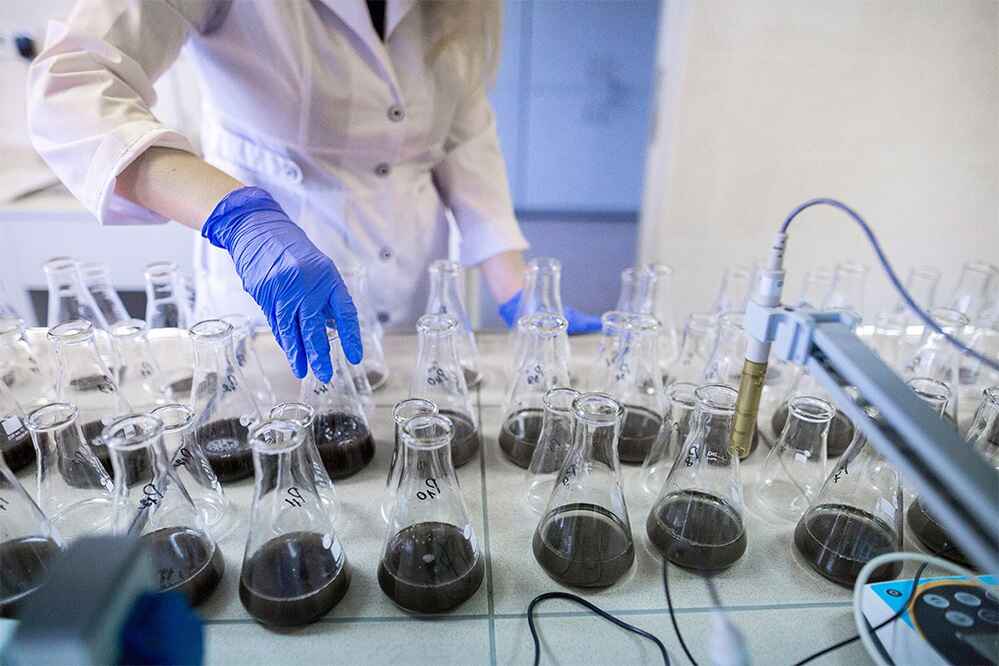
In today’s rapidly growing industrial landscape, maintaining quality and safety standards has become more crucial than ever. From food and beverages to pharmaceuticals, construction materials, and environmental analysis, chemical testing plays a pivotal role in ensuring compliance and protecting public health. A Chemical Testing Lab in Bangladesh offers a wide range of services to industries, government organizations, and research institutions, providing reliable and accurate testing solutions.
Understanding the Importance of Chemical Testing
Chemical testing involves the analysis of materials to determine their chemical composition, detect contaminants, and ensure they meet regulatory standards. These tests are vital for multiple reasons:
-
Safety Assurance: Chemical testing ensures that products are safe for consumption or use. For example, testing water quality helps prevent health hazards, while testing food ensures it is free from harmful chemicals or additives.
-
Quality Control: Industries rely on chemical testing to maintain consistent product quality. This not only enhances consumer trust but also helps brands comply with national and international standards.
-
Regulatory Compliance: Bangladesh has various regulatory bodies that require products to meet specific chemical standards. A chemical testing lab ensures that businesses adhere to these guidelines, avoiding fines or legal issues.
-
Environmental Protection: Chemical analysis of soil, water, and air helps identify pollutants, enabling authorities and industries to take corrective measures and maintain environmental safety.
Services Offered by a Chemical Testing Lab in Bangladesh
Chemical testing labs in Bangladesh offer a comprehensive range of services, catering to various industries. These services are designed to provide accurate and reliable data, helping businesses make informed decisions. Key services include:
1. Food and Beverage Testing
Food safety is a major concern for both manufacturers and consumers. Chemical testing labs analyze food products for:
-
Nutritional content such as protein, fat, carbohydrate, and vitamins
-
Presence of contaminants like pesticides, heavy metals, or microbial toxins
-
Additives, preservatives, and other chemical residues
These tests help ensure that food products are safe, nutritious, and compliant with local and international standards.
2. Pharmaceutical and Medical Testing
Pharmaceutical products must meet stringent chemical standards to ensure efficacy and safety. A chemical testing lab conducts:
-
Drug composition analysis
-
Identification of impurities
-
Stability testing to check shelf life
This is crucial for pharmaceutical companies to guarantee that medicines are safe for consumption and meet the regulatory requirements set by Bangladesh’s Directorate General of Drug Administration (DGDA).
3. Environmental Testing
With rapid industrialization, monitoring environmental pollution is critical. Labs perform chemical tests on:
-
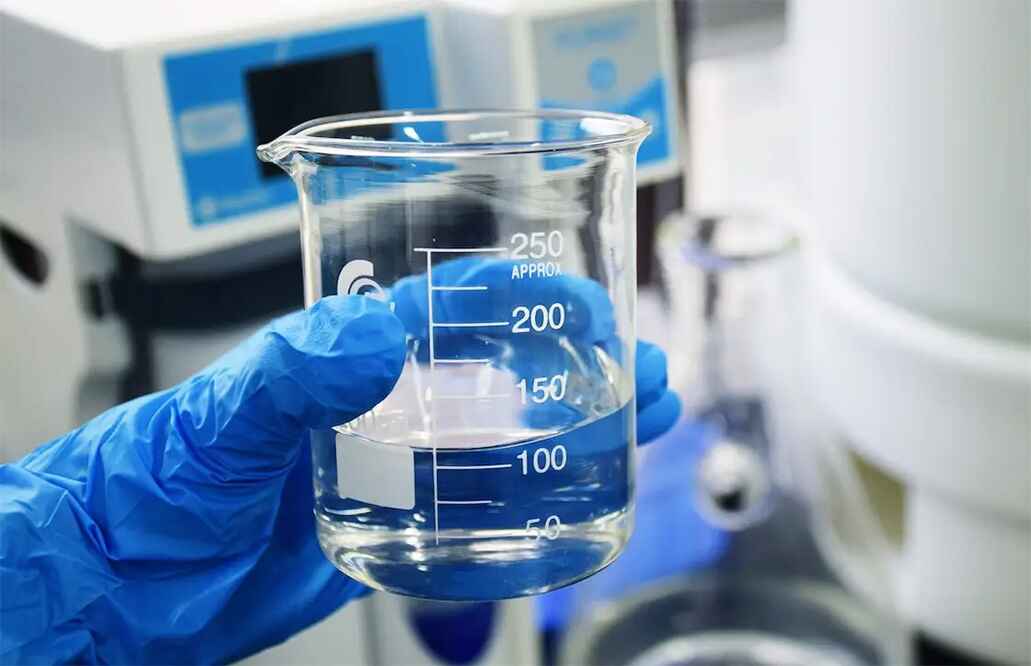
Water: Checking for pollutants, heavy metals, pH levels, and chemical oxygen demand (COD)
-
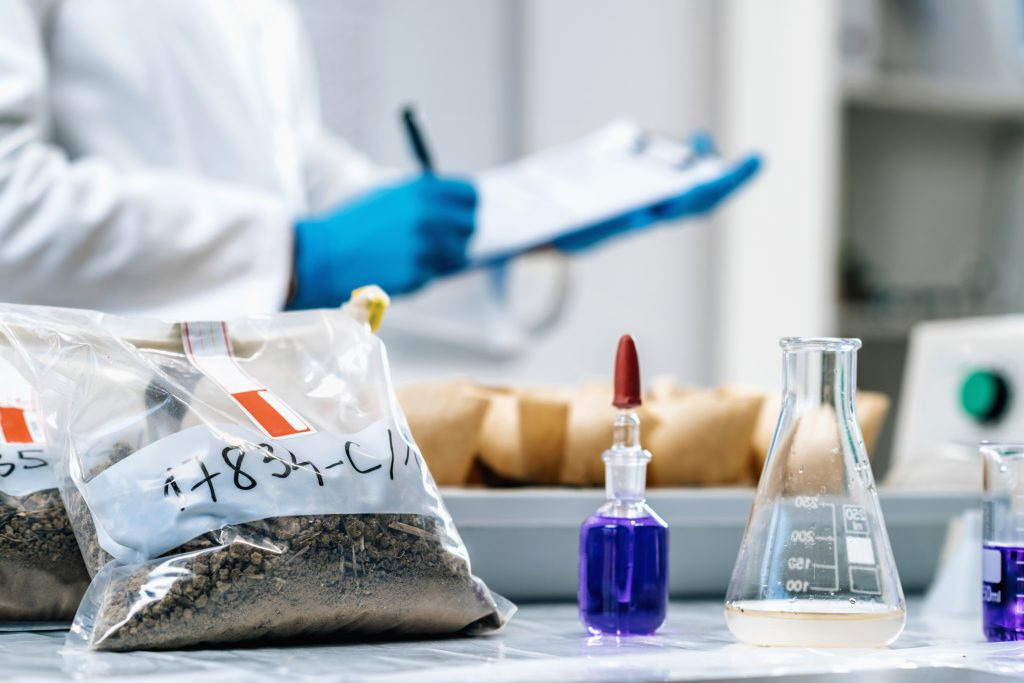
Soil: Determining contamination levels from pesticides, heavy metals, and other chemicals
-
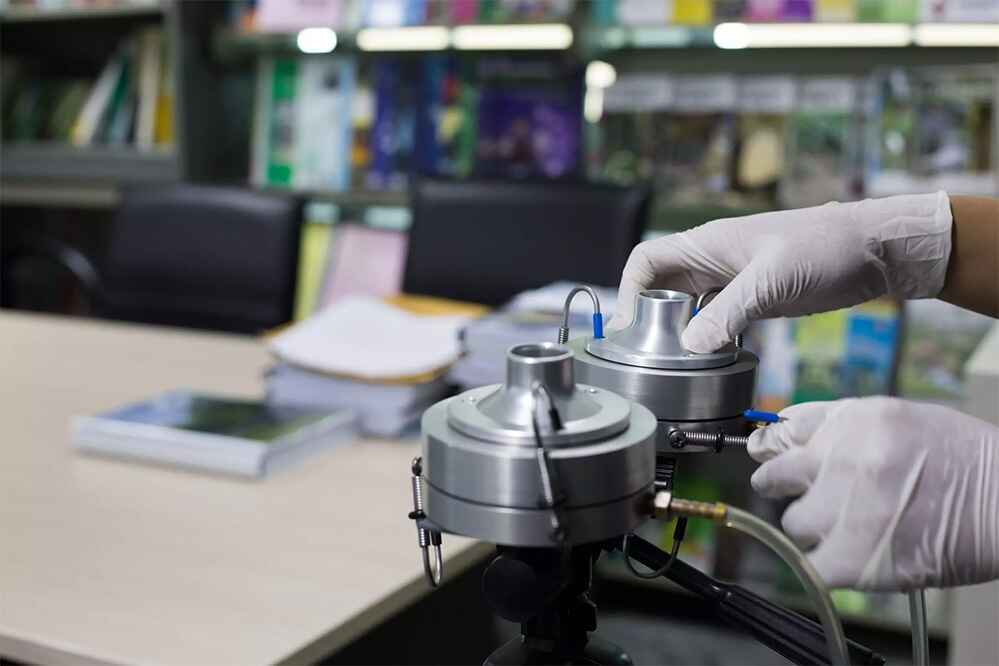
Air: Measuring air pollutants, particulate matter, and volatile organic compounds (VOCs)
Environmental testing helps industries adopt cleaner practices and assists government agencies in environmental monitoring.
4. Industrial and Material Testing
Chemical testing labs provide services for various industrial applications:
-
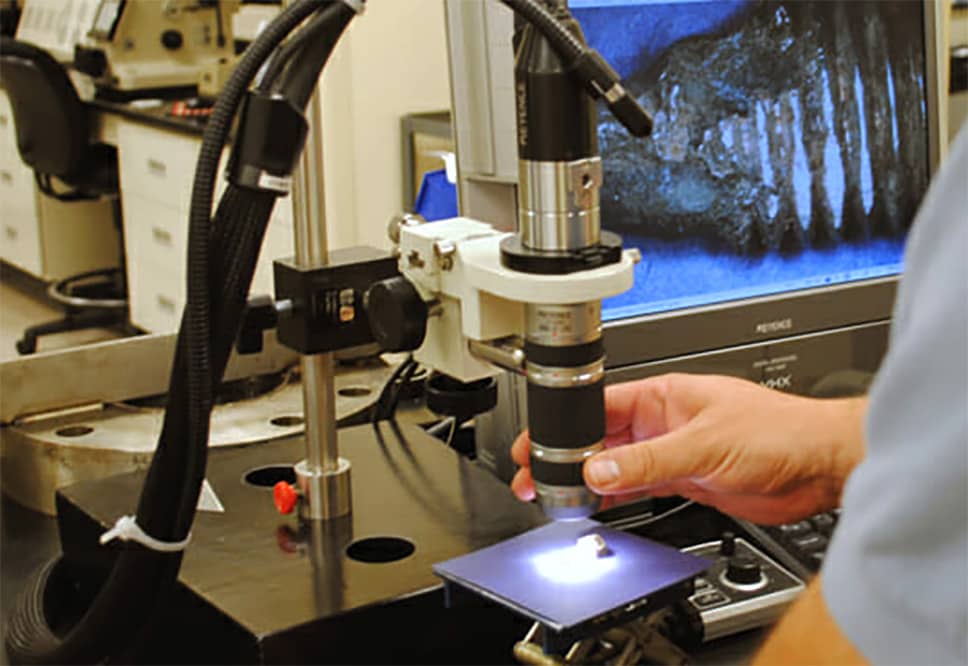
Concrete and construction materials: Testing chemical composition for durability and safety
-
Metals and alloys: Ensuring the correct chemical properties for industrial use
-
Petroleum products: Quality testing for fuel, lubricants, and chemicals
This type of testing supports industries in quality control and product development.
5. Water and Wastewater Analysis
Water quality testing is critical for industries, municipalities, and households. Labs analyze:
-
Drinking water for chemical and microbial contaminants
-
Industrial wastewater for compliance with discharge standards
-
Groundwater and surface water quality
These tests prevent waterborne diseases, support regulatory compliance, and protect ecosystems.
Advanced Technologies in Chemical Testing Labs
Modern chemical testing labs in Bangladesh are equipped with advanced instruments to provide accurate and reliable results. Some of the widely used technologies include:
-
Spectroscopy: Techniques like UV-Vis, FTIR, and atomic absorption spectroscopy help identify chemical compounds.
-
Chromatography: Gas chromatography (GC) and high-performance liquid chromatography (HPLC) are essential for separating and analyzing chemical mixtures.
-
Mass Spectrometry: Used for identifying molecular structures and detecting trace contaminants.
-
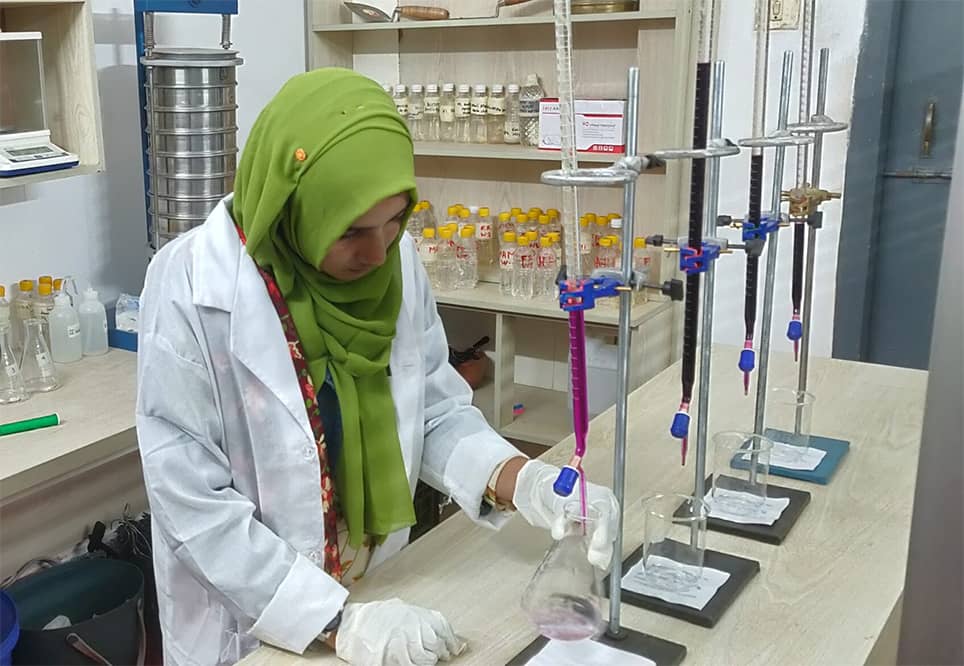
Titration and Wet Chemistry Methods: Traditional methods that are still essential for routine analysis in food, pharmaceuticals, and water testing.
These technologies ensure precise results, helping industries and organizations make data-driven decisions.
Choosing the Right Chemical Testing Lab in Bangladesh
Selecting a reliable chemical testing lab is critical for accurate results. Here are key factors to consider:
-
Accreditation and Certification: Ensure the lab is accredited by recognized bodies, such as ISO/IEC 17025, which guarantees the quality and accuracy of tests.
-
Experienced Professionals: Qualified chemists and lab technicians bring expertise and reliability to the testing process.
-
Comprehensive Testing Services: A lab offering a wide range of services saves time and allows for consistent results across multiple tests.
-
Modern Equipment: Advanced instruments provide precise analysis and faster turnaround times.
-
Data Reporting and Consultation: The lab should provide detailed reports and guidance for interpreting results, helping clients make informed decisions.
The Role of Chemical Testing Labs in Industry Growth
Chemical testing labs play a critical role in Bangladesh’s industrial growth. By ensuring product safety and quality, these labs help companies gain consumer trust and enter international markets. Industries such as food and beverage, pharmaceuticals, textiles, and construction all benefit from accurate chemical testing. Additionally, environmental testing supports sustainable development by encouraging eco-friendly industrial practices.
Chemical testing labs also support research and development. By providing accurate data, they enable innovation in product formulation, quality enhancement, and process optimization. This creates a competitive advantage for businesses, ensuring long-term success in both local and global markets.
Why Outsourcing to a Professional Lab Matters
While some companies attempt in-house testing, outsourcing to a professional chemical testing lab offers several advantages:
-
Cost Efficiency: Setting up a fully equipped lab can be expensive. Outsourcing eliminates the need for heavy investments.
-
Access to Expertise: Professional labs employ experienced chemists who stay updated with the latest standards and technologies.
-
Reliability and Accuracy: Third-party labs provide unbiased results, ensuring trust and credibility.
-
Regulatory Compliance: Professional labs are well-versed in national and international regulations, ensuring your products meet legal standards.
By partnering with a reputed chemical testing lab in Bangladesh, businesses can focus on growth while ensuring safety and quality.
Related Industries
Chemical Testing Lab
Water Testing Lab
Oil Testing Lab
Material Testing Lab

Food Testing Lab
Environmental Testing Lab
Air Quality Testing Lab
Water Quality Testing Lab
Soil Testing Lab
Topics