Water Testing Lab
- Published inMetrology & Applied Science
- Jun 27, 2024
- 2.59 Min
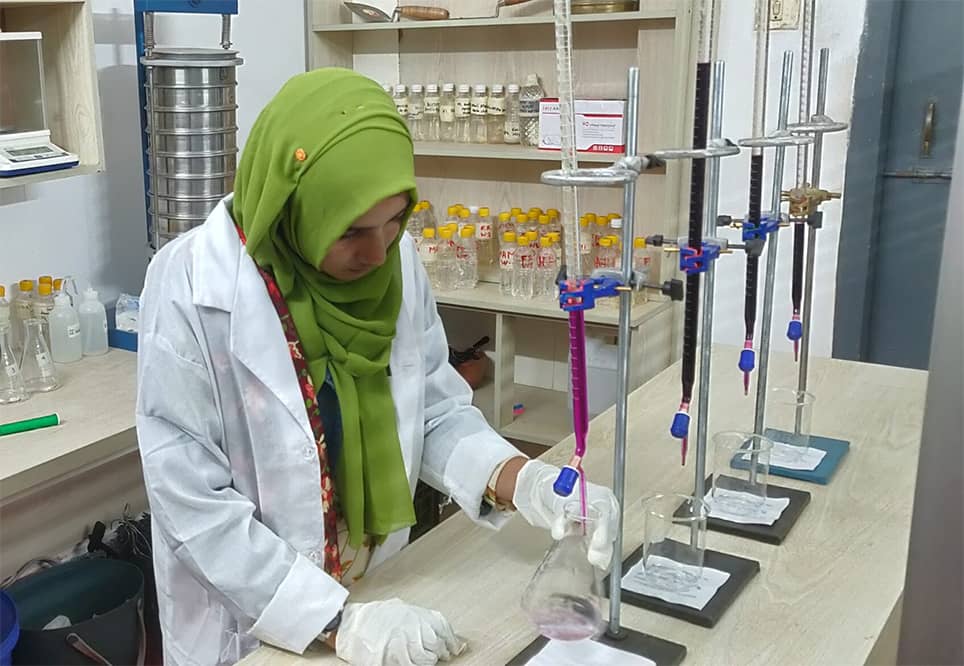
Water Testing Lab in Bangladesh
Water quality is a critical aspect of public health, industrial processes, and environmental safety. In Bangladesh, where water contamination remains a pressing concern, the role of a water testing lab has become more important than ever. From ensuring safe drinking water to supporting industrial compliance, these labs play a vital role in safeguarding both human health and the environment.
Importance of Water Testing Labs
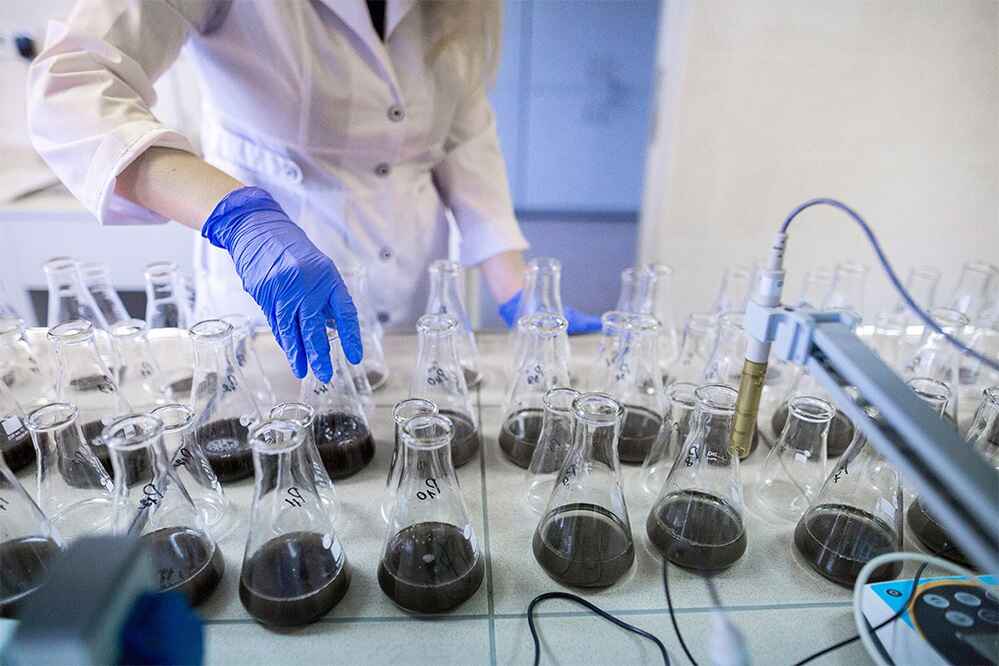
A water testing lab in Bangladesh provides comprehensive testing services for various water sources, including drinking water, industrial effluents, groundwater, and surface water. These labs use advanced scientific methods to identify contaminants such as bacteria, heavy metals, pesticides, and chemical pollutants. Timely and accurate testing helps prevent waterborne diseases and ensures that water meets national and international quality standards.
Water quality can vary significantly across different regions in Bangladesh due to industrialization, agricultural runoff, and seasonal changes. This makes local testing labs essential for both households and businesses. For industries, proper water testing ensures regulatory compliance, protects machinery from scaling and corrosion, and maintains product quality.
Services Offered by Water Testing Labs
Modern water testing labs in Bangladesh provide a wide range of services, including:
-
Drinking Water Testing: Ensures water is free from harmful bacteria, viruses, and chemical contaminants, making it safe for consumption.
-
Industrial Water Testing: Assesses water used in manufacturing processes to prevent equipment damage and maintain product standards.
-
Groundwater and Surface Water Testing: Evaluates the quality of natural water sources for environmental monitoring and community use.
-
Wastewater and Effluent Analysis: Helps industries manage waste discharge in compliance with environmental regulations.
-
Heavy Metal Detection: Identifies toxic elements such as lead, arsenic, mercury, and cadmium in water sources.
-
Microbiological Testing: Detects bacteria, viruses, and other pathogens that can cause diseases.
These services are supported by sophisticated instruments like spectrophotometers, atomic absorption spectrometers, and microbiological testing equipment. Accredited labs follow strict quality control measures to ensure precise and reliable results.
Benefits of Using a Water Testing Lab
Engaging a professional water testing lab in Bangladesh comes with several advantages:
-
Health Protection: Regular testing reduces the risk of waterborne diseases such as cholera, dysentery, and hepatitis.
-
Regulatory Compliance: Industries can meet local and international water quality standards, avoiding penalties and legal issues.
-
Environmental Safety: Monitoring water helps in controlling pollution and preserving aquatic ecosystems.
-
Cost Efficiency: Early detection of contaminants prevents costly equipment damage and reduces water treatment expenses.
-
Data-Driven Decisions: Reliable testing results enable informed decisions about water treatment, filtration, and usage.
How Water Testing Labs Operate
Water testing labs follow a structured process to deliver accurate results:
-
Sample Collection: Proper collection methods are essential to avoid contamination. Samples are collected from various points like taps, wells, rivers, and industrial outlets.
-
Sample Preservation: Collected water samples are stored under controlled conditions to prevent changes in chemical composition before testing.
-
Analysis: Labs perform chemical, physical, and microbiological analyses using advanced equipment and standard procedures.
-
Reporting: Detailed reports highlight the presence of contaminants, compliance with standards, and recommendations for corrective actions.
Choosing the Right Water Testing Lab
Selecting a reliable water testing lab in Bangladesh is crucial for accurate results. Key factors to consider include:
-
Accreditation: Choose labs accredited by national or international bodies to ensure quality testing.
-
Experienced Staff: Qualified scientists and technicians enhance the reliability of test results.
-
Range of Services: A lab offering comprehensive testing services can meet both household and industrial needs.
-
Turnaround Time: Quick reporting is essential, especially for industries and emergency situations.
-
Customer Support: Professional guidance on interpreting results and implementing corrective measures is valuable.
The Role of Technology in Water Testing
Modern water testing labs leverage technology to improve efficiency and accuracy. Advanced instruments like High-Performance Liquid Chromatography (HPLC), Inductively Coupled Plasma Mass Spectrometry (ICP-MS), and real-time microbiological sensors allow labs to detect even trace amounts of contaminants. Some labs also provide digital reports and online result tracking, making it easier for clients to access and understand data.
Water Testing Labs and Sustainable Development
Water testing is closely linked to sustainable development goals, particularly clean water and sanitation. By providing accurate data on water quality, labs support public health initiatives, sustainable industrial practices, and environmental conservation. In Bangladesh, where rapid urbanization and industrial growth are impacting water sources, professional water testing becomes a critical tool for long-term sustainability.
Related Industries
Chemical Testing Lab
Water Testing Lab
Oil Testing Lab
Material Testing Lab

Food Testing Lab
Environmental Testing Lab
Air Quality Testing Lab
Water Quality Testing Lab
Soil Testing Lab
Topics