Automated Pipeline Monitoring System
- Published inOil & Gas
- Jun 27, 2024
- 2.51 Min
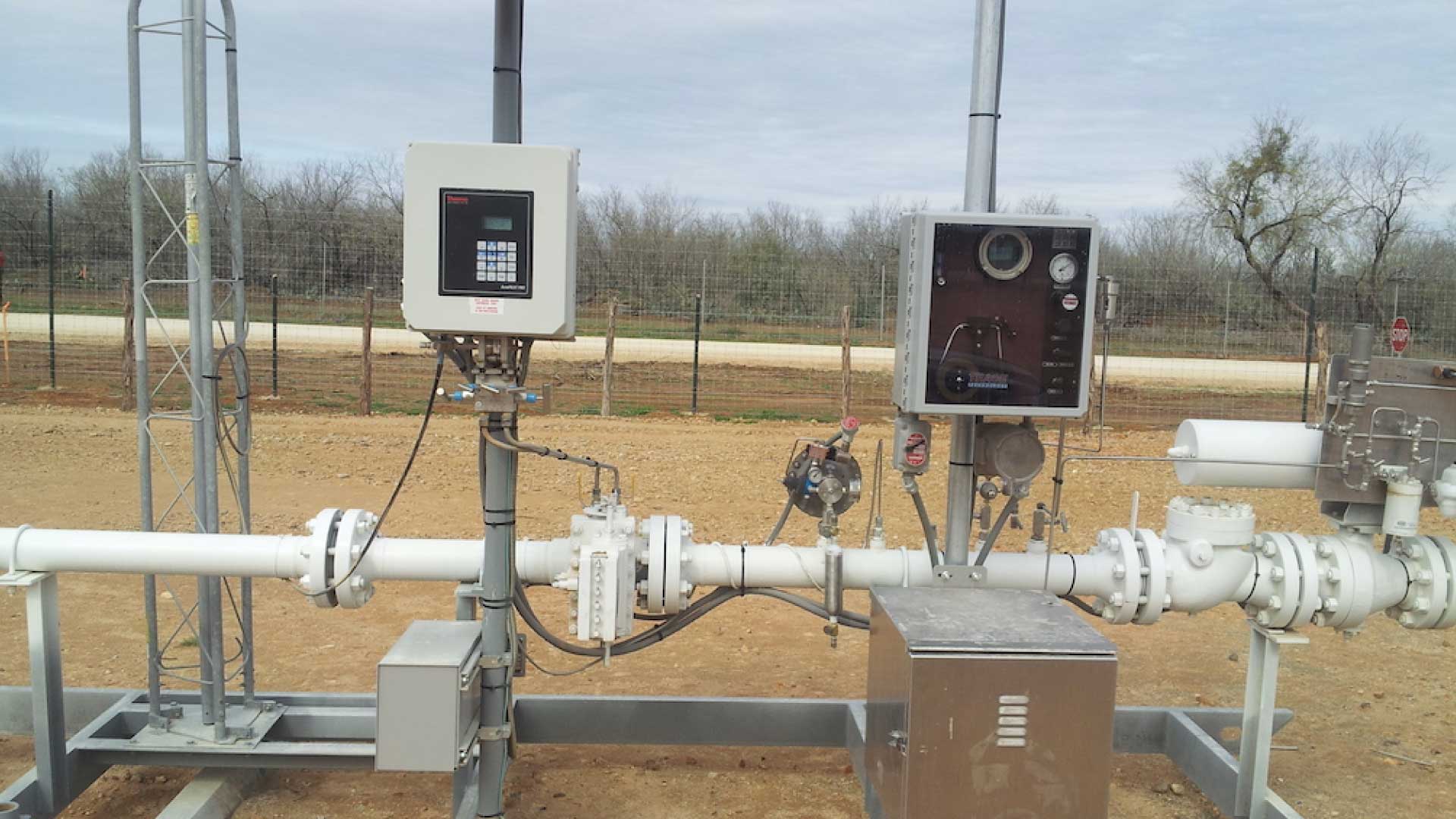
In recent years, the energy and water sectors in Bangladesh have witnessed significant technological advancements, and one such innovation making waves is the Automated Pipeline Monitoring System (APMS). With increasing pipeline networks for gas, oil, and water, ensuring their safety, efficiency, and continuous operation has become more critical than ever. An automated monitoring system is designed to address these challenges, offering real-time insights and predictive maintenance capabilities that traditional methods simply cannot match.
Importance of Automated Pipeline Monitoring Systems
Pipeline networks are the lifelines of many industries, transporting essential resources across vast distances. Any disruption or leakage in these systems can lead to serious financial losses, environmental hazards, and safety risks. Traditional manual inspections are often time-consuming, labor-intensive, and prone to human error.
This is where automated pipeline monitoring systems in Bangladesh come into play. These systems utilize advanced sensors, IoT technology, and data analytics to continuously monitor the pipeline’s condition. They can detect anomalies such as leaks, pressure drops, temperature fluctuations, or corrosion in real-time, allowing companies to respond immediately before minor issues escalate into major disasters.
How Automated Pipeline Monitoring Systems Work
Automated pipeline monitoring systems rely on a combination of hardware and software technologies. Smart sensors installed along the pipeline collect data on pressure, flow rate, temperature, and structural integrity. This data is then transmitted to a centralized monitoring platform through secure communication networks.
Advanced analytics and artificial intelligence algorithms analyze the incoming data to detect irregularities and predict potential failures. Alerts are generated and sent to operators via mobile apps, dashboards, or email notifications. This proactive approach ensures that maintenance can be scheduled efficiently, reducing downtime and operational costs significantly.
Benefits of Using Automated Pipeline Monitoring Systems in Bangladesh
-
Early Leak Detection: One of the most significant advantages of an automated monitoring system is its ability to detect leaks at an early stage. This prevents environmental contamination, protects public safety, and minimizes financial loss.
-
Operational Efficiency: Continuous monitoring allows pipeline operators to optimize flow rates and pressure levels, ensuring smoother operations and higher productivity.
-
Reduced Maintenance Costs: By predicting equipment failures and monitoring pipeline health, companies can adopt preventive maintenance rather than reactive fixes, which are often more expensive.
-
Enhanced Safety: Automated monitoring reduces the reliance on manual inspections in hazardous environments. Workers are less exposed to potential accidents, and companies can ensure compliance with safety standards.
-
Data-Driven Decisions: Real-time insights allow for informed decision-making regarding pipeline expansion, maintenance schedules, and resource allocation.
Applications Across Industries
Automated pipeline monitoring systems have diverse applications in Bangladesh. The energy sector, particularly natural gas and oil pipelines, benefits greatly from continuous monitoring to prevent leaks and ensure uninterrupted supply. Water treatment and distribution networks also leverage these systems to maintain pressure consistency and detect contamination risks early.
Moreover, industries such as chemicals and fertilizers, which rely on hazardous material transport through pipelines, find automated monitoring crucial for both environmental protection and operational efficiency. With government initiatives promoting infrastructure modernization, the adoption of these systems is expected to grow rapidly.
Challenges in Implementation
Despite their numerous advantages, implementing automated pipeline monitoring systems in Bangladesh comes with certain challenges. High initial installation costs, integration with existing pipeline infrastructure, and the need for skilled personnel to manage and interpret system data are some of the common hurdles.
However, the long-term benefits, including cost savings, safety improvements, and operational efficiency, often outweigh these challenges. As technology becomes more affordable and local expertise grows, more companies are likely to invest in these systems.
Future of Automated Pipeline Monitoring in Bangladesh
The future of automated pipeline monitoring in Bangladesh looks promising. With continuous advancements in IoT, AI, and cloud computing, these systems are becoming more accurate, affordable, and easy to implement. Companies that adopt automated monitoring early can achieve a competitive edge through improved reliability, lower operational costs, and enhanced safety standards.
As the country continues to expand its industrial and energy infrastructure, automated pipeline monitoring systems will play a pivotal role in ensuring sustainable and secure resource distribution. The adoption of these technologies is not just an investment in efficiency but also a commitment to safety, environmental responsibility, and long-term growth.
Related Industries
Gas Flow Validation & Calibration

Flow Meter Testing & Calibration Bench
PRV & Safety Valve Testing

Gas Leak Detection System
Automated Pipeline Monitoring System

Subsurface Utility Mapping solution
Topics