Flow Meter Testing & Calibration Bench
- Published inOil & Gas
- Jun 27, 2024
- 2.68 Min
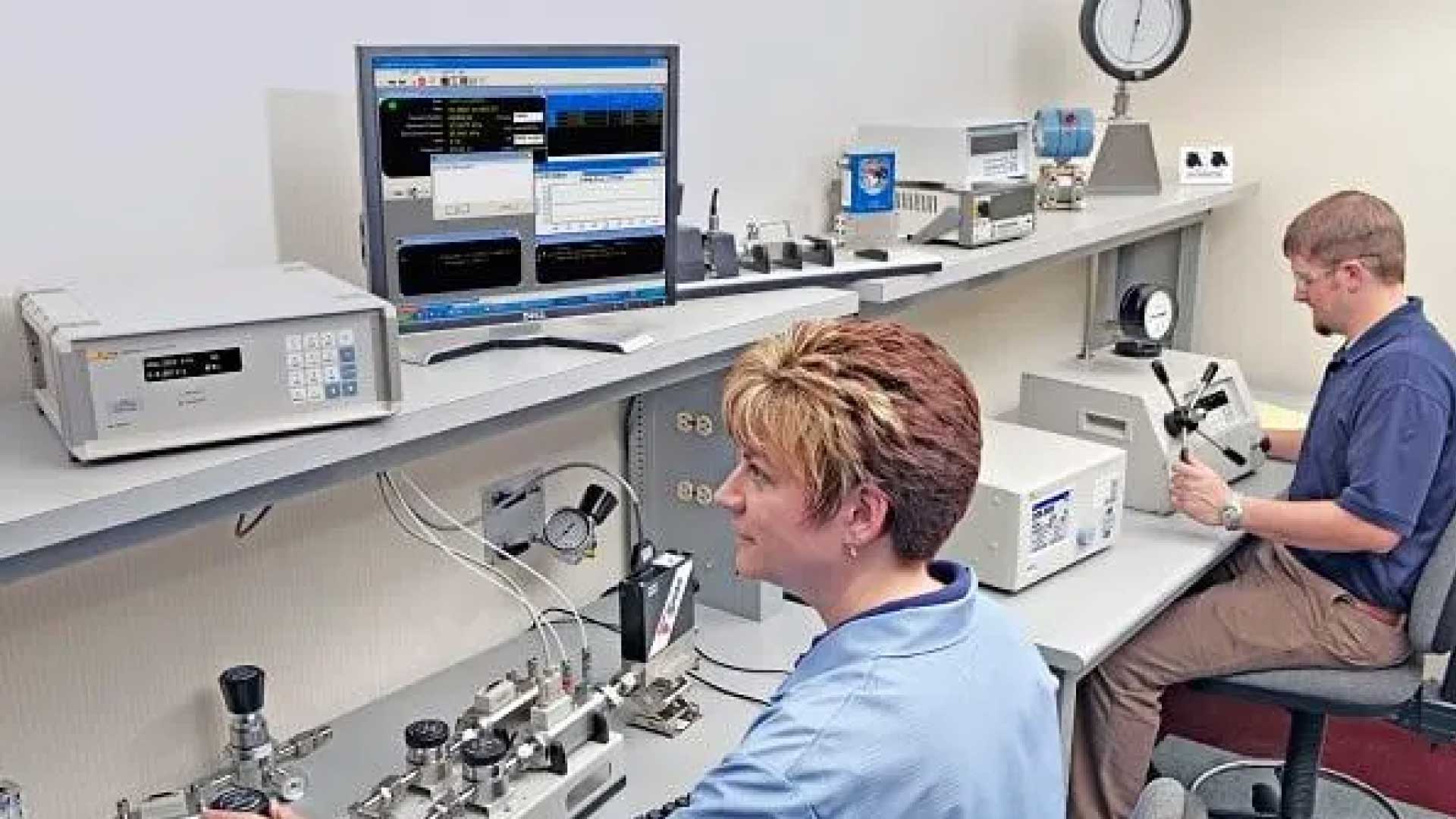
Flow meters are essential instruments in various industries, from water treatment and chemical processing to oil, gas, and food production. Accurate flow measurement ensures process efficiency, safety, and regulatory compliance. In Bangladesh, industries are increasingly prioritizing precise flow measurement, making flow meter testing and calibration benches crucial for maintaining operational excellence.
Importance of Flow Meter Testing & Calibration
Flow meters, like any precision instrument, can drift over time due to wear and tear, environmental factors, or handling errors. If a flow meter provides inaccurate readings, it can lead to production losses, increased operational costs, and safety hazards. For example, in the chemical industry, inaccurate flow measurement can cause improper dosing of chemicals, affecting product quality and increasing wastage.
This is where flow meter testing and calibration benches play a critical role. A calibration bench allows engineers and technicians to validate the accuracy of flow meters under controlled conditions. Regular testing and calibration ensure that the meters remain within their specified accuracy limits, which is essential for maintaining consistent product quality and complying with international standards.
How Flow Meter Calibration Works
A flow meter calibration bench is a sophisticated setup designed to replicate real-world flow conditions. It typically includes a flow source, a reference standard, and a testing platform where the flow meter is installed. The process involves comparing the readings of the flow meter against the reference standard, which is a highly accurate measurement instrument certified according to international standards.
During calibration, the meter is exposed to various flow rates and operating conditions to ensure that it provides accurate readings across its full range. Any deviations detected are documented, and adjustments are made to correct the errors. This process not only ensures accuracy but also extends the lifespan of the instrument by identifying potential issues before they lead to failures.
Types of Flow Meters Tested on Calibration Benches
In Bangladesh, industries use a wide range of flow meters, each requiring specific calibration procedures. Common types include:
-
Electromagnetic Flow Meters – Often used in water and wastewater treatment, these meters require precise calibration to measure conductive liquids accurately.
-
Turbine Flow Meters – Widely used in oil, gas, and chemical industries, turbine meters need regular calibration to account for mechanical wear.
-
Ultrasonic Flow Meters – Popular for non-intrusive measurement of liquids and gases, ultrasonic meters are calibrated using specialized benches that simulate different flow velocities.
-
Coriolis Flow Meters – Known for high accuracy in mass flow measurement, these meters demand meticulous calibration to ensure their reliability in industrial applications.
Benefits of Using a Flow Meter Calibration Bench in Bangladesh
Investing in a calibration bench offers several benefits for Bangladeshi industries:
-
Improved Accuracy and Reliability – Regular testing ensures flow meters provide precise readings, reducing errors in production processes.
-
Compliance with Standards – Many industries in Bangladesh follow ISO, ASTM, or local regulatory standards. Calibration helps maintain compliance and avoids potential penalties.
-
Cost Savings – Detecting errors early prevents wastage of raw materials and reduces maintenance costs caused by faulty flow meters.
-
Extended Instrument Life – Routine calibration identifies issues before they escalate, ensuring the flow meters last longer.
-
Enhanced Process Control – Accurate flow measurements allow better control over processes, leading to higher efficiency and product quality.
Flow Meter Calibration Services in Bangladesh
Several companies in Bangladesh now offer professional flow meter calibration services with modern testing benches. These services cater to diverse industries such as power plants, oil and gas refineries, chemical factories, and food and beverage plants. Service providers usually offer on-site and laboratory calibration options, depending on the complexity of the flow meter and the requirements of the client.
Modern calibration facilities in Bangladesh are equipped with automated benches, advanced reference meters, and software solutions that record calibration data and generate certificates. This digital documentation is essential for audits and regulatory compliance, giving industries confidence in their measurement processes.
Choosing the Right Calibration Provider
When selecting a calibration service provider, companies should consider several factors:
-
Accreditation and Certification – Ensure the provider complies with international standards such as ISO/IEC 17025.
-
Experience with Different Flow Meter Types – A provider familiar with multiple flow meter technologies can handle diverse calibration requirements.
-
Advanced Equipment – Modern and well-maintained calibration benches ensure precise results.
-
Documentation and Reporting – Detailed calibration reports are essential for traceability and compliance.
By partnering with a reliable flow meter calibration service, Bangladeshi industries can ensure their measurement instruments remain accurate, reliable, and compliant.
Related Industries
Gas Flow Validation & Calibration
Flow Meter Testing & Calibration Bench
PRV & Safety Valve Testing
Gas Leak Detection System
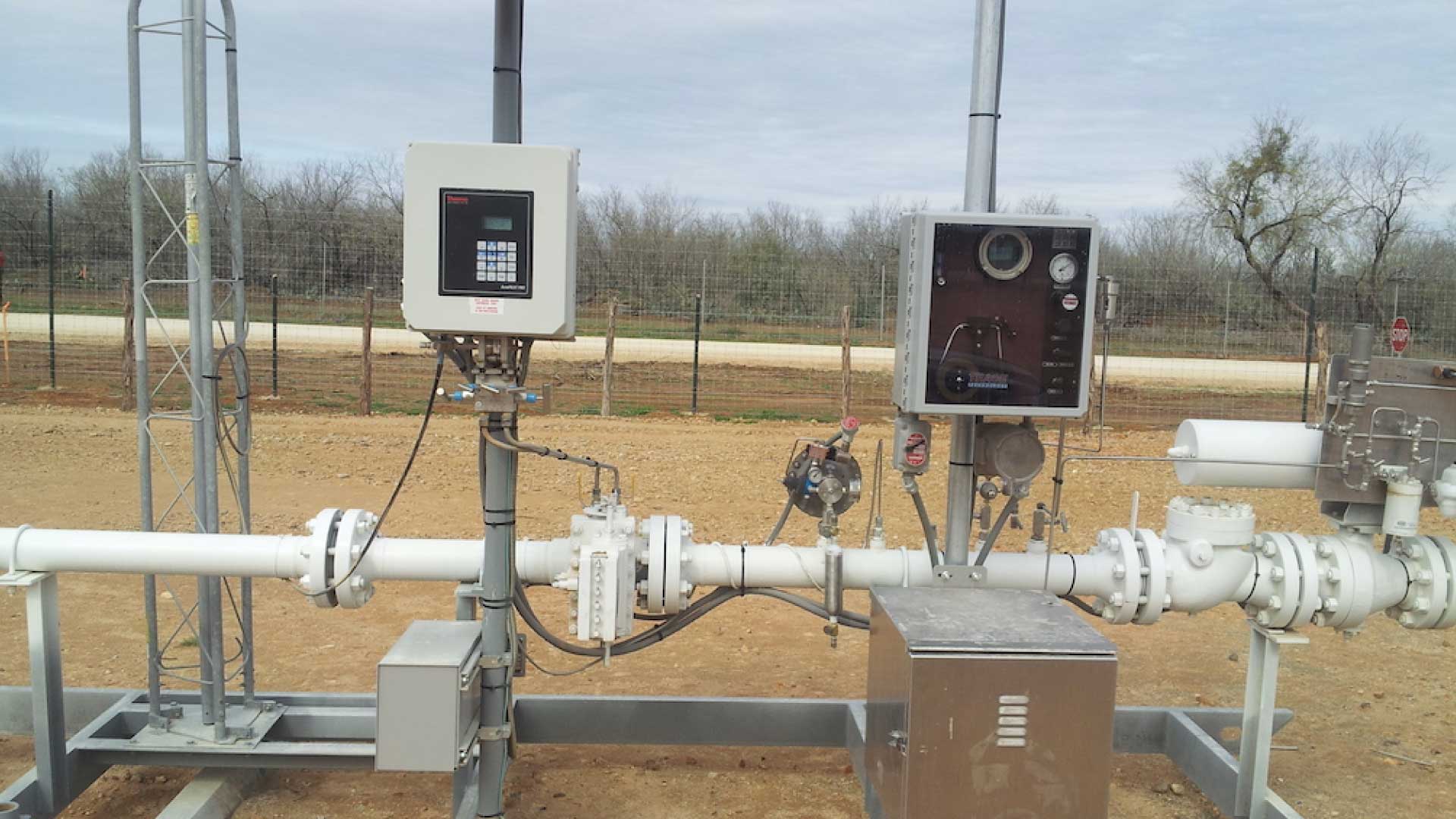
Automated Pipeline Monitoring System
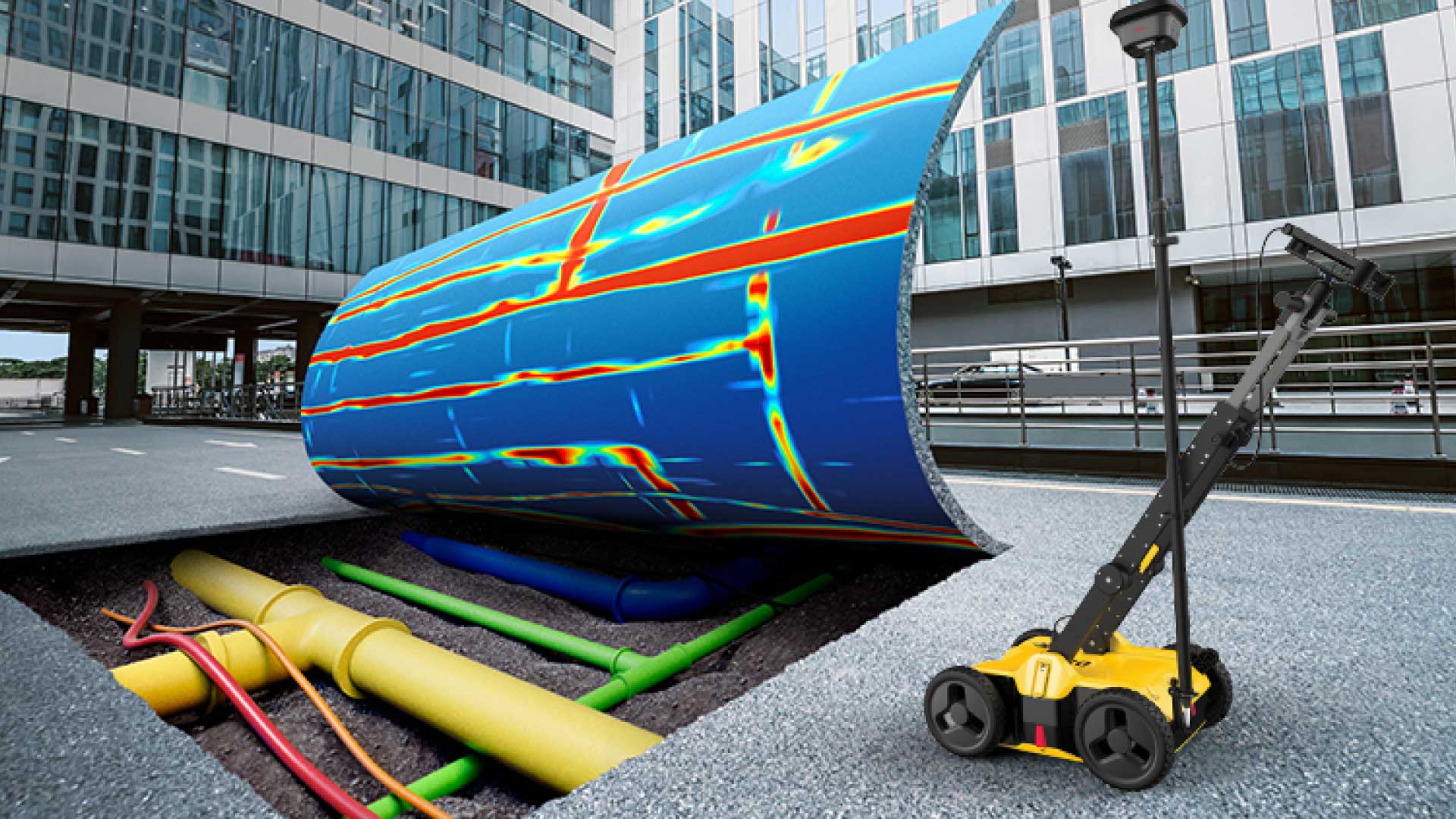
Subsurface Utility Mapping solution
Topics