Gas Leak Detection System
- Published inOil & Gas
- Jun 27, 2024
- 2.33 Min
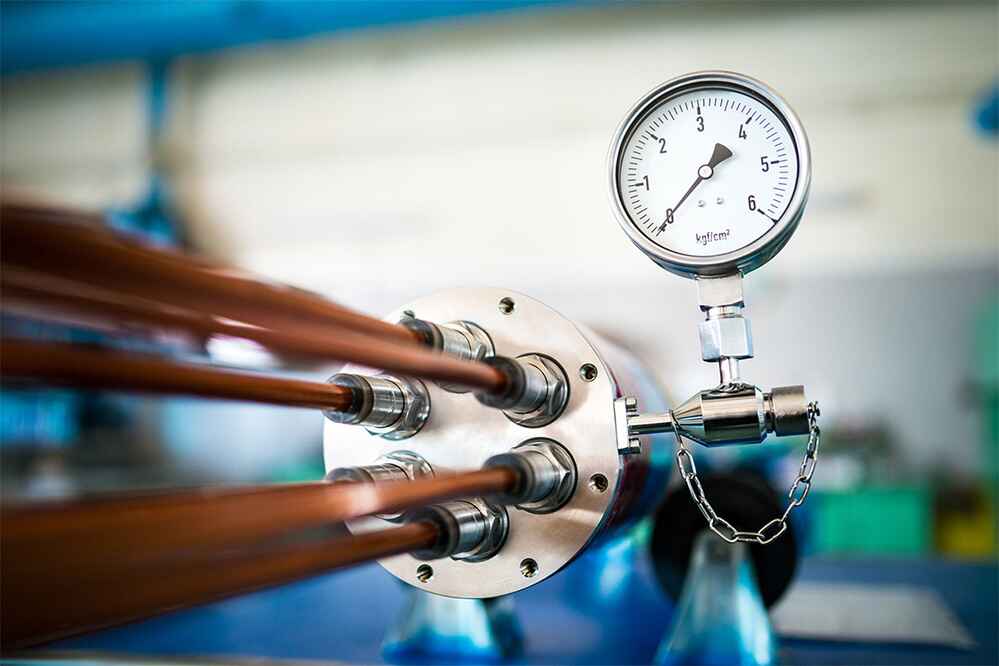
Gas leak detection systems have become a crucial aspect of safety in both residential and industrial environments in Bangladesh. With the growing use of natural gas and other flammable gases across industries, homes, and commercial spaces, the risk of accidental leaks has increased significantly. Installing an efficient gas leak detection system is no longer optional—it is essential for ensuring safety, preventing accidents, and protecting valuable assets.
Importance of Gas Leak Detection Systems
Gas leaks are invisible threats. Many gases, such as natural gas and liquefied petroleum gas (LPG), are odorless and colorless in their natural form. Even trace amounts of leaks can accumulate in enclosed spaces and lead to catastrophic incidents, including fires and explosions. A gas leak detection system acts as the first line of defense against such dangers.
In industrial sectors like manufacturing, food processing, and energy production, gas leak detection systems are critical. These systems continuously monitor gas concentrations, alert personnel in real-time, and often integrate with automatic shut-off valves to prevent major accidents. For households, a small detector can save lives by providing early warnings of gas leaks from kitchen stoves or gas pipelines.
Features of Modern Gas Leak Detection Systems
Modern gas leak detection systems in Bangladesh come equipped with advanced technology for precise monitoring and alerting. Key features include:
-
Real-time Monitoring: Continuous detection of gases such as LPG, natural gas, methane, and carbon monoxide.
-
Audible and Visual Alarms: Immediate alerts to warn users of dangerous gas levels.
-
Smart Integration: Many systems are compatible with smart home and industrial automation systems for remote monitoring.
-
Automatic Shut-off: Advanced systems can automatically stop gas flow when leaks are detected, preventing potential hazards.
-
Sensitivity and Accuracy: High-end sensors provide accurate readings even at low concentrations of gas, minimizing false alarms.
Benefits of Installing a Gas Leak Detection System
Installing a gas leak detection system offers numerous benefits:
-
Safety Assurance: The primary benefit is protection against potential gas-related accidents, ensuring the safety of occupants and workers.
-
Property Protection: By detecting leaks early, these systems prevent damage to property caused by fires or explosions.
-
Regulatory Compliance: Many industrial setups in Bangladesh are now required by law to implement safety measures, including gas leak detection systems.
-
Peace of Mind: Knowing that a reliable system is monitoring gas levels 24/7 provides peace of mind to homeowners and business owners alike.
Applications in Bangladesh
Bangladesh has seen a growing adoption of gas leak detection systems in various sectors:
-
Residential Use: In urban areas like Dhaka and Chittagong, households using LPG cylinders or piped natural gas are increasingly installing detectors to prevent kitchen accidents.
-
Industrial Use: Factories, chemical plants, and manufacturing units rely heavily on gas leak detection systems to ensure employee safety and avoid operational downtime due to gas-related incidents.
-
Commercial Buildings: Hotels, restaurants, and office complexes use gas leak detection systems as part of their fire and safety infrastructure.
-
Energy Sector: Gas-fired power plants and refineries integrate advanced gas leak detection systems to maintain operational safety and regulatory compliance.
Choosing the Right Gas Leak Detection System
Selecting the right system involves considering factors such as the type of gas used, the size of the area, and whether the system is intended for residential or industrial purposes. It is essential to choose products from trusted manufacturers with proper certifications and after-sales support.
Professional installation and regular maintenance are equally important. Sensors can lose sensitivity over time, and a poorly maintained system may fail when it is most needed. Hence, partnering with reliable local service providers in Bangladesh ensures the system remains effective and responsive.
The gas safety market in Bangladesh is evolving rapidly. Smart gas leak detection systems, which can connect to mobile apps and provide real-time alerts remotely, are becoming increasingly popular. Integration with IoT platforms allows for predictive maintenance and automated safety responses, further enhancing safety measures in both homes and industries.
Related Industries
Gas Flow Validation & Calibration
Flow Meter Testing & Calibration Bench
PRV & Safety Valve Testing
Gas Leak Detection System
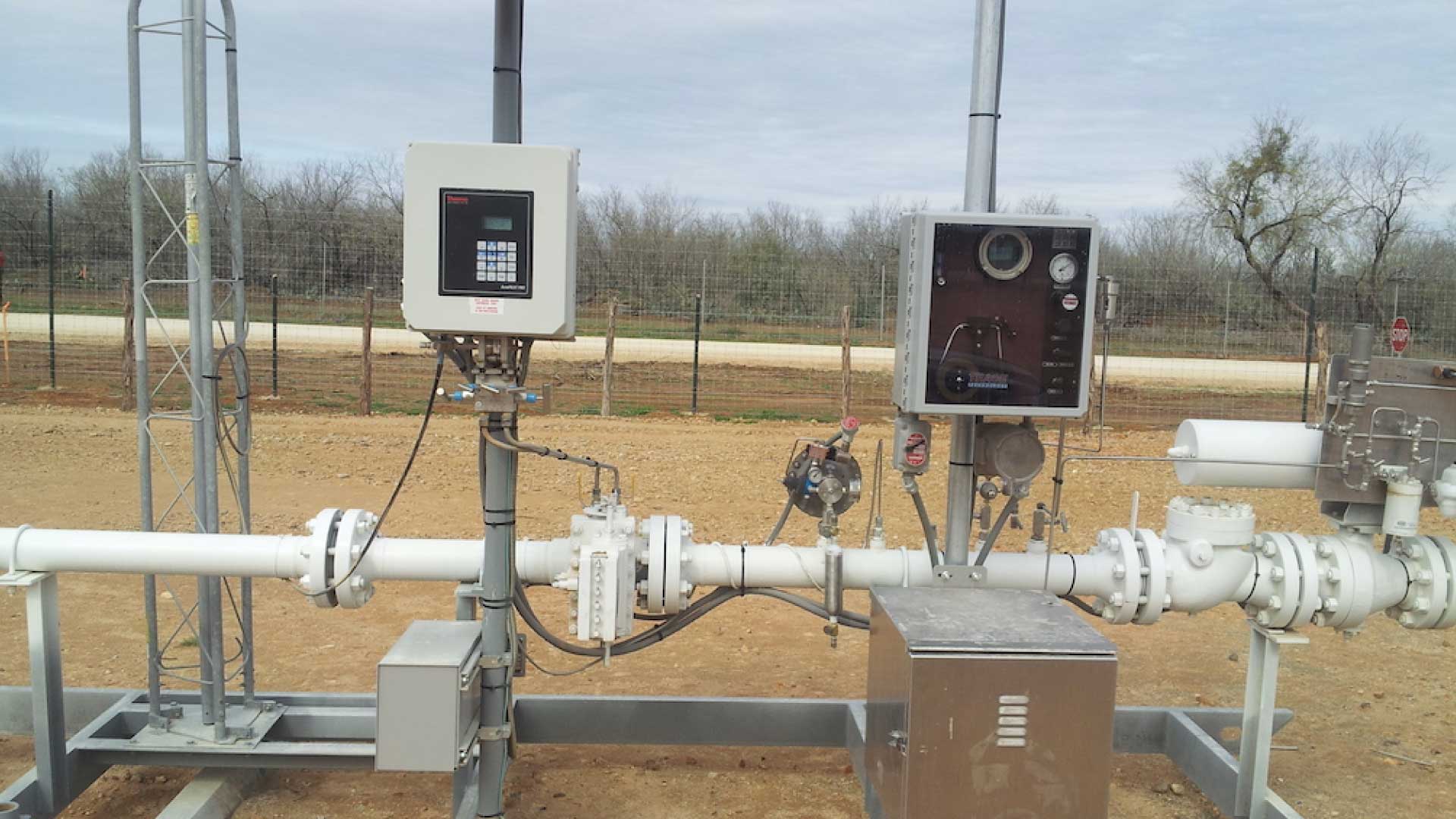
Automated Pipeline Monitoring System
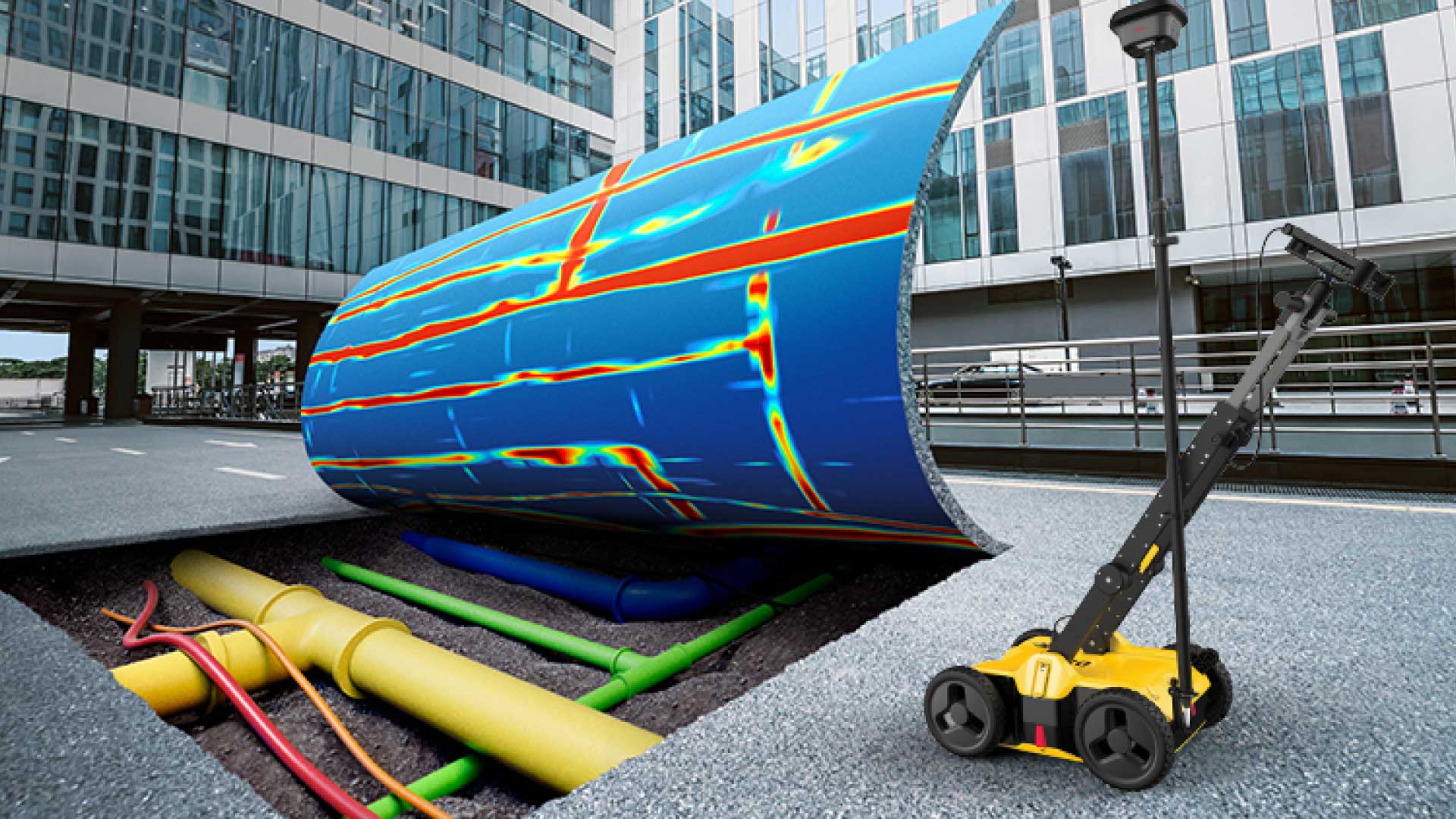
Subsurface Utility Mapping solution
Topics