PRV & Safety Valve Testing
- Published inOil & Gas
- Jun 27, 2024
- 2.11 Min
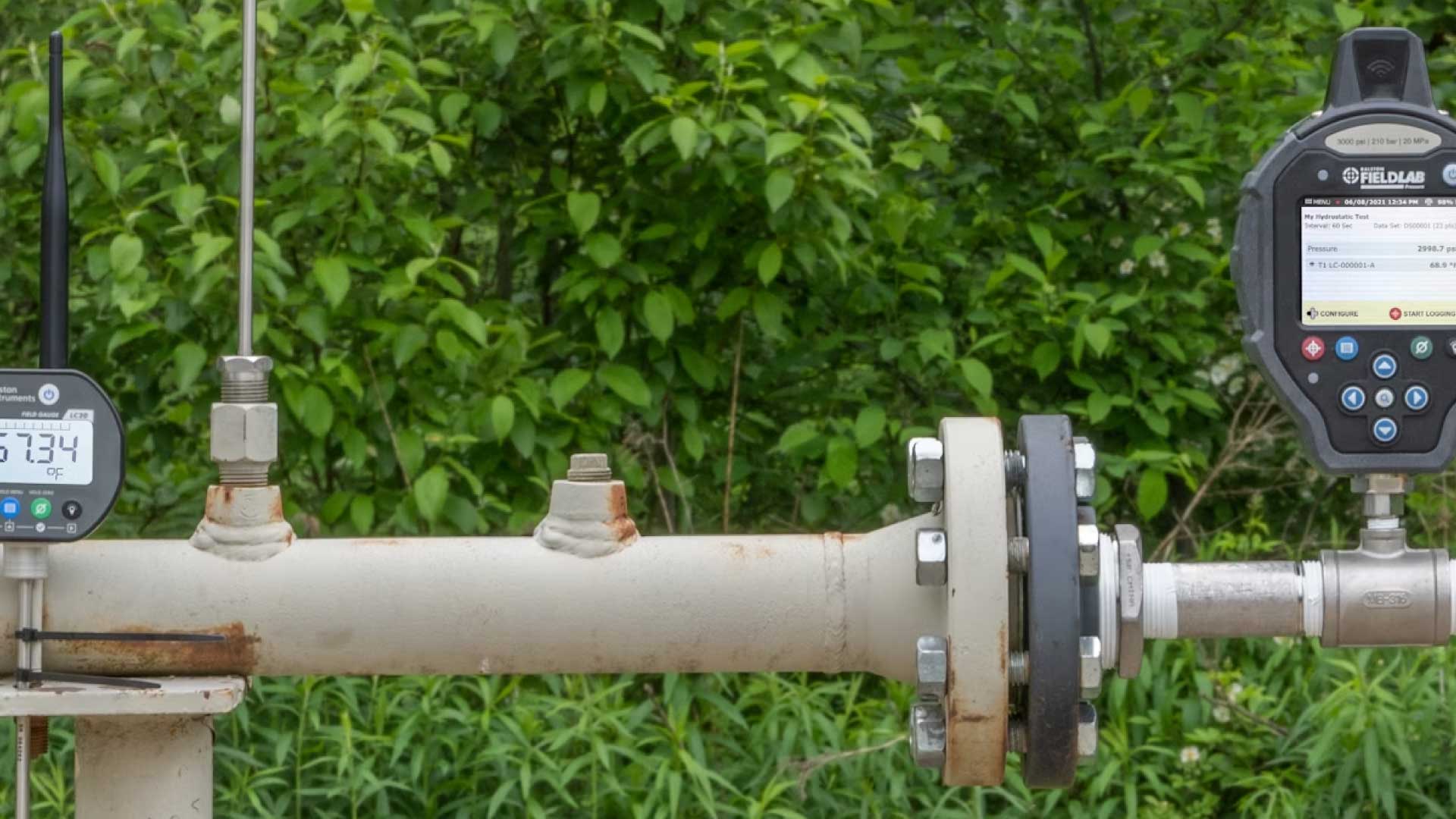
Pressure Relief Valves (PRVs) and safety valves play a critical role in industrial operations, ensuring that systems operate safely under high pressure conditions. In Bangladesh, where industries like power generation, chemical processing, and manufacturing are rapidly expanding, proper testing and maintenance of these valves have become more important than ever. PRV and safety valve testing not only protects machinery and infrastructure but also ensures the safety of personnel and compliance with industry standards.
Understanding PRV & Safety Valve Testing
PRVs and safety valves are designed to release excess pressure from equipment to prevent catastrophic failures. Over time, these valves can experience wear and tear, corrosion, or debris buildup, which can compromise their performance. Testing these valves periodically ensures they function correctly and open at the specified pressure points.
There are several key aspects of PRV and safety valve testing that industries in Bangladesh must consider:
Types of Testing
-
Bench Testing
Bench testing involves removing the valve from the system and testing it in a controlled environment. This allows technicians to measure opening and closing pressures accurately and check for leaks. Bench testing is highly effective for detailed inspections and calibration. -
In-Situ Testing
In-situ testing is performed without removing the valve from the pipeline or vessel. This method saves time and reduces downtime for critical systems. It typically involves pressure application to ensure the valve opens at the designated set point. -
Hydrostatic Testing
Hydrostatic testing uses water pressure to check the integrity of the valve. This testing method is essential for verifying that the valve can withstand operating pressures without leaking or failing. -
Pneumatic Testing
Pneumatic testing involves using compressed air or gas to assess the valve’s performance. This method is useful for applications where liquid testing is not feasible or safe.
Importance of Regular Testing
Regular PRV and safety valve testing provides several benefits:
-
Safety Assurance: Prevents accidents caused by overpressure, protecting workers and equipment.
-
Regulatory Compliance: Meets local and international safety standards, including ASME and API regulations.
-
Operational Efficiency: Reduces unplanned shutdowns by identifying potential failures before they occur.
-
Cost Savings: Prevents expensive repairs or replacements due to valve failure or system damage.
Common Challenges in Bangladesh
Industries in Bangladesh face unique challenges when it comes to PRV and safety valve testing. These include:
-
Limited Access to Certified Testing Facilities: Many industrial areas lack advanced testing labs, making onsite testing essential.
-
Environmental Factors: Humidity, dust, and temperature fluctuations can affect valve performance and lifespan.
-
Lack of Skilled Technicians: Proper testing requires trained professionals familiar with industry standards and valve technologies.
Choosing a Reliable Testing Service
Selecting a trusted PRV and safety valve testing service in Bangladesh is crucial for long-term operational safety. Key considerations include:
-
Certified Technicians: Ensure the service provider employs trained and certified engineers.
-
Advanced Equipment: Modern testing equipment guarantees accurate measurements and reliable results.
-
Comprehensive Reporting: Detailed reports help maintain compliance and provide insights into valve performance.
-
Maintenance Support: Many providers offer repair and calibration services alongside testing.
Industries Benefiting from Valve Testing
Several industries in Bangladesh rely heavily on PRV and safety valve testing:
-
Power Plants: Boilers, turbines, and pressure vessels require precise pressure management.
-
Chemical and Petrochemical Plants: Overpressure in chemical reactors or storage tanks can lead to hazardous incidents.
-
Food and Beverage Industry: Pressure-controlled equipment like pasteurizers and sterilizers depend on reliable valves.
-
Pharmaceutical Industry: Safety valves ensure controlled environments in manufacturing processes.
By investing in regular PRV and safety valve testing, these industries can maintain safe operations, protect equipment, and comply with stringent safety regulations.
Related Industries
Gas Flow Validation & Calibration
Flow Meter Testing & Calibration Bench
PRV & Safety Valve Testing
Gas Leak Detection System
Automated Pipeline Monitoring System

Subsurface Utility Mapping solution
Topics