Gas Flow Validation & Calibration
- Published inOil & Gas
- Jun 27, 2024
- 1.91 Min

Gas flow validation and calibration are critical processes in industries that rely on precise gas measurements. Accurate gas flow data ensures operational safety, enhances efficiency, and maintains compliance with industry standards. In Bangladesh, with the rapid growth of energy, chemical, and manufacturing sectors, gas flow validation and calibration services have become increasingly essential.
Importance of Gas Flow Validation & Calibration
Gas flow validation involves checking the performance of gas flow meters to ensure they provide accurate readings under actual operating conditions. Calibration, on the other hand, adjusts these meters against known standards so that measurements are consistent and reliable. Both processes are indispensable in industries such as power generation, oil and gas, pharmaceuticals, and food processing.
Without proper calibration, gas flow meters can produce errors that lead to financial losses, regulatory penalties, and even safety hazards. For example, in chemical plants, an incorrect gas flow reading can disrupt chemical reactions, leading to wastage or dangerous situations. In the energy sector, uncalibrated meters can misrepresent fuel consumption, impacting efficiency and profitability.
Services Offered in Bangladesh
Several professional service providers in Bangladesh specialize in gas flow validation and calibration. These companies use advanced equipment and follow international standards like ISO, ANSI, and API to ensure precision. Key services include:
-
Flow Meter Calibration: Ensures that devices such as thermal mass flow meters, turbine meters, and ultrasonic meters deliver accurate readings.
-
On-site Gas Flow Validation: Technicians perform real-time verification of flow meters at industrial sites without interrupting operations.
-
Customized Calibration Solutions: Tailored to meet specific industrial requirements, ensuring compliance with both local and international regulations.
-
Preventive Maintenance and Audit: Regular validation and calibration extend the life of flow meters and minimize operational risks.
Bangladesh’s industrial landscape, especially in Chittagong, Dhaka, and Narayanganj, is seeing an increasing demand for reliable gas flow validation services. Industries are now focusing on integrating high-precision flow monitoring systems to optimize production processes and reduce operational costs.
Advanced Techniques in Gas Flow Validation
Modern calibration techniques in Bangladesh include both primary and secondary methods. Primary calibration uses highly accurate standards, such as laminar flow elements or piston provers, to establish reference measurements. Secondary calibration involves adjusting industrial meters against these primary standards.
Additionally, digital calibration systems equipped with automated data logging and real-time analysis are becoming more common. These systems provide comprehensive reports, track performance trends, and enable predictive maintenance, making industrial operations more efficient and reliable.
Benefits of Professional Gas Flow Calibration
Investing in professional gas flow validation and calibration services brings multiple advantages:
-
Accuracy and Reliability: Ensures precise gas measurements, minimizing errors in production and billing.
-
Safety Compliance: Reduces risks of gas leaks and unsafe operations, keeping workers and equipment safe.
-
Cost Efficiency: Accurate measurement prevents overuse of gas, reducing wastage and lowering operational costs.
-
Regulatory Compliance: Aligns operations with national and international standards, avoiding penalties.
-
Extended Equipment Life: Proper calibration reduces wear and tear on flow meters, ensuring longer service life.
As Bangladesh continues to industrialize, companies are realizing the importance of integrating expert gas flow validation and calibration services into their operational strategies. Partnering with experienced service providers ensures industries can maintain high standards of quality, efficiency, and safety.
Related Industries
Gas Flow Validation & Calibration

Flow Meter Testing & Calibration Bench
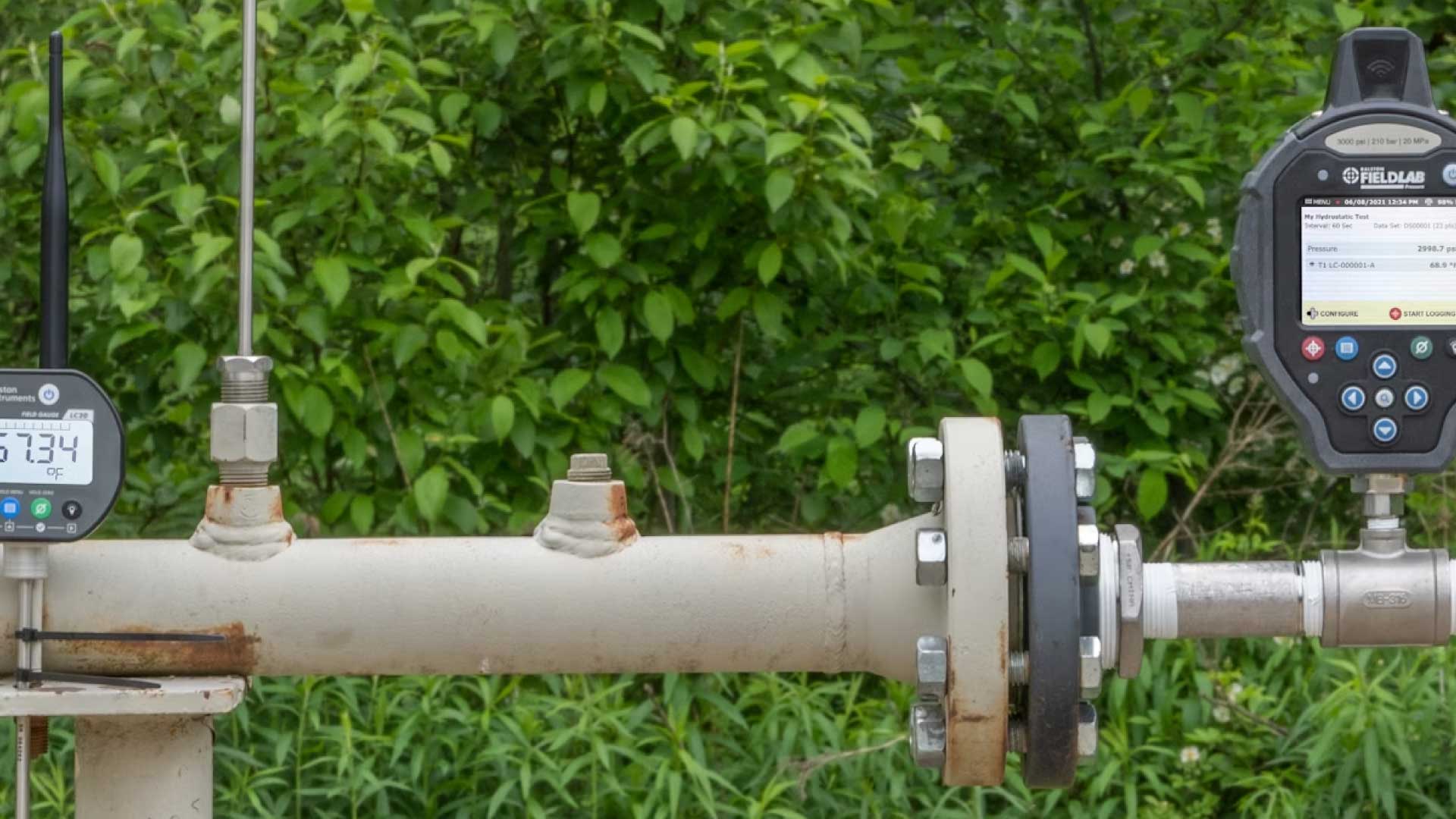
PRV & Safety Valve Testing
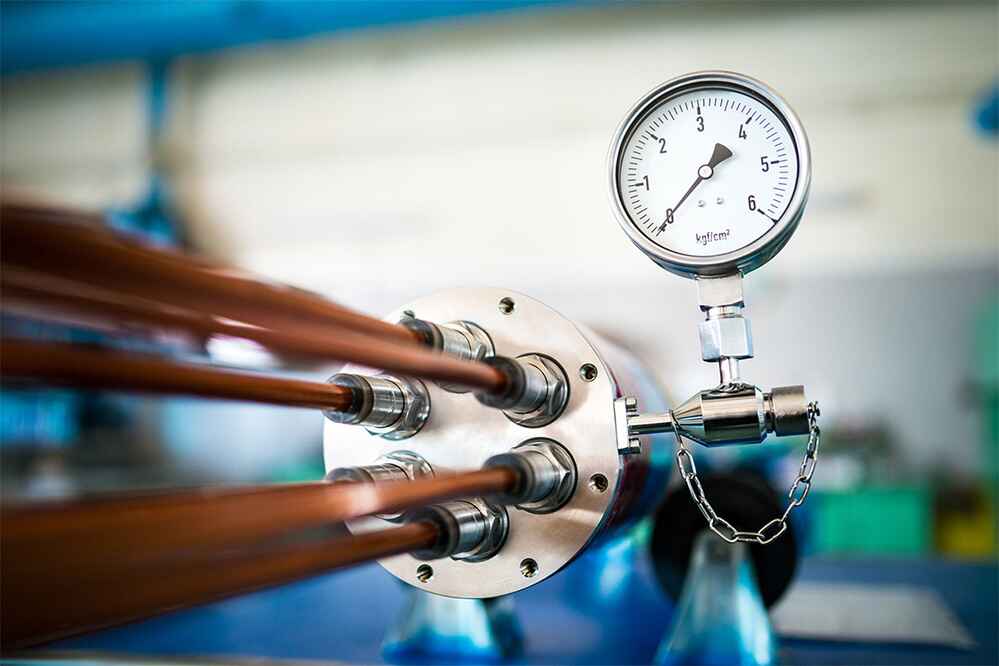
Gas Leak Detection System
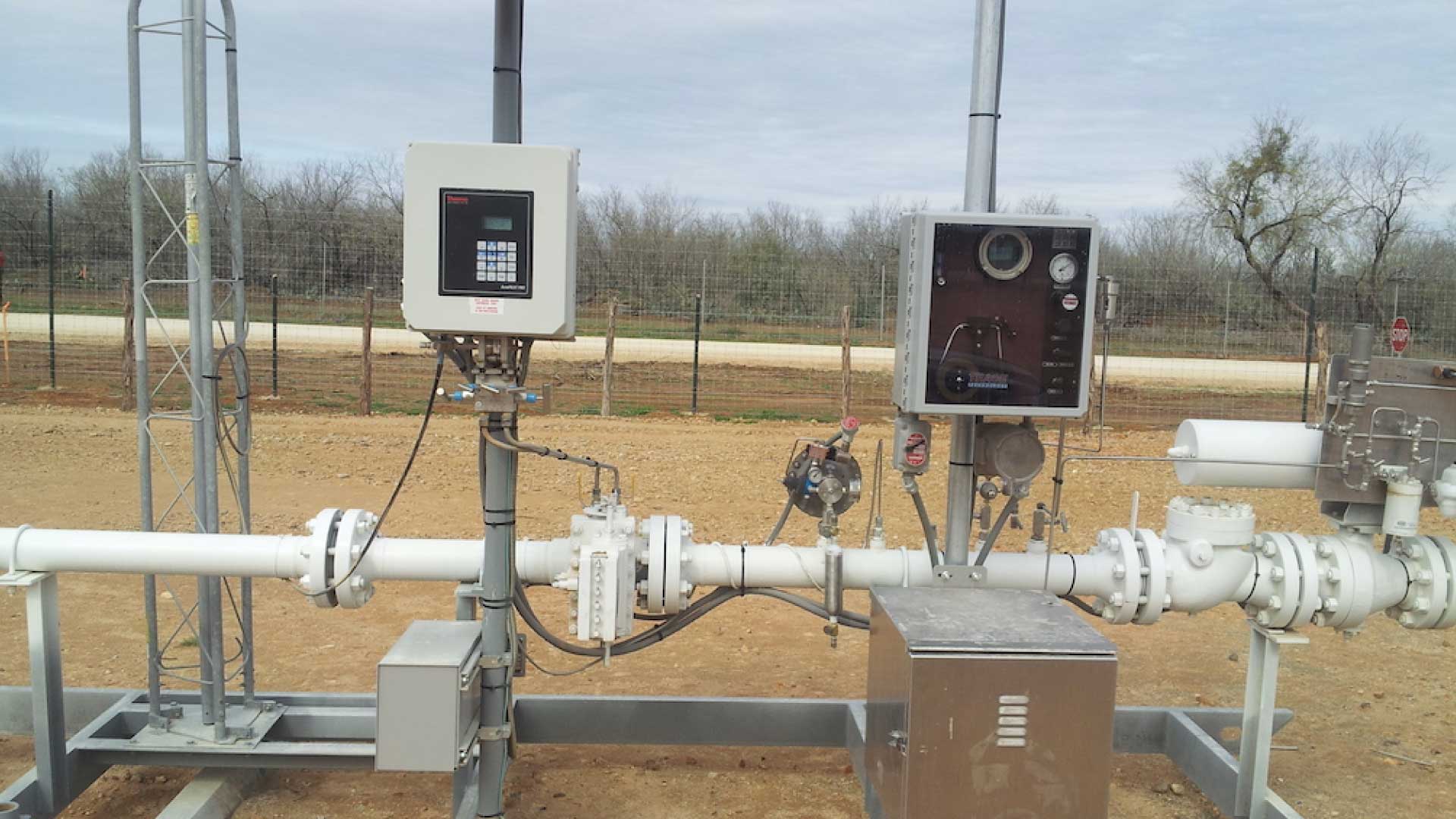
Automated Pipeline Monitoring System
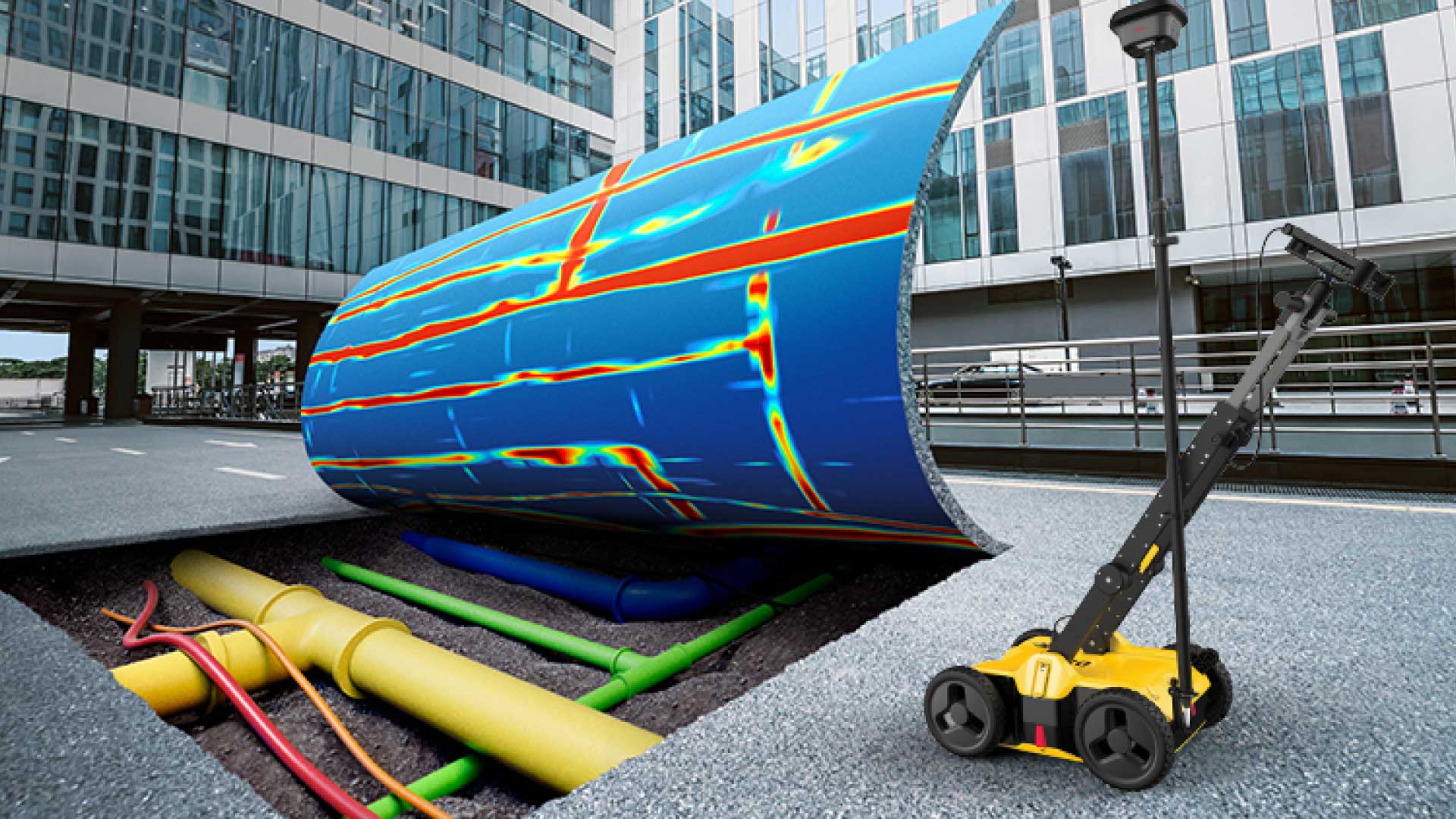
Subsurface Utility Mapping solution
Topics