Bridge Inspection
- Published inConstruction
- Jun 27, 2024
- 1.52 Min
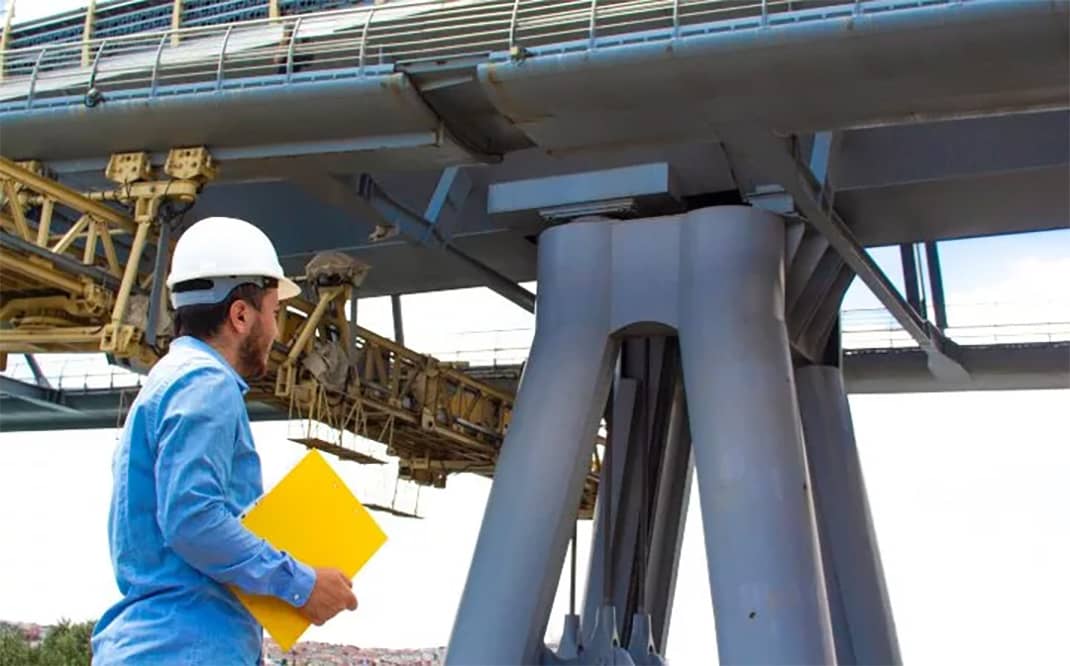
Bridge inspection is a critical process in maintaining the safety, functionality, and longevity of bridges worldwide. Regular inspections help identify structural issues, prevent accidents, and extend the lifespan of these essential infrastructures. Whether for highways, railways, or pedestrian pathways, a thorough bridge inspection is indispensable for public safety and efficient transportation systems.
Importance of Bridge Inspection
Bridges are subjected to various stress factors, including traffic loads, weather conditions, and natural wear and tear. Over time, these factors can cause cracks, corrosion, or structural weaknesses. Conducting regular bridge inspections ensures that potential hazards are detected early, preventing costly repairs or catastrophic failures. For governments and private agencies, bridge inspection is not just a safety measure but also a compliance requirement with national standards and regulations.
Types of Bridge Inspections
Bridge inspection involves multiple techniques, each designed to evaluate specific aspects of a bridge's structure:
-
Visual Inspection: The most common method where inspectors visually assess the bridge for cracks, rust, deformation, or other visible damages.
-
Underwater Inspection: Essential for bridges over water, this involves divers or remote-controlled vehicles to check the underwater portions for erosion or structural weaknesses.
-
Non-Destructive Testing (NDT): Advanced techniques like ultrasonic testing, radiography, and magnetic particle inspection help detect internal defects without damaging the bridge.
-
Drone-Assisted Inspection: Modern technology allows drones to capture detailed images of hard-to-reach areas, making inspections safer and faster.
Key Benefits of Regular Bridge Inspection
-
Enhanced Safety: Early detection of structural issues prevents accidents and ensures the safety of commuters.
-
Cost-Effective Maintenance: Identifying problems early reduces the need for major repairs and lowers maintenance costs.
-
Extended Lifespan: Continuous monitoring and timely repairs extend the life of the bridge, maximizing infrastructure investment.
-
Regulatory Compliance: Bridge inspection ensures adherence to local and international safety standards.
Best Practices for Effective Bridge Inspection
To achieve accurate and reliable results, bridge inspections should follow industry best practices. Inspectors must be trained and certified, using the right tools and techniques for different bridge types. Documentation of inspection findings, including photographs, measurements, and reports, is crucial for decision-making and future reference. Incorporating technology such as drones, sensors, and AI-based data analysis enhances the precision and efficiency of inspections.
Bridge inspection is a vital part of infrastructure management, safeguarding lives and ensuring smooth transportation. Governments, private companies, and engineers must prioritize regular and thorough inspections to maintain the structural integrity of bridges. By combining traditional inspection methods with modern technology, the process becomes safer, faster, and more reliable. Investing in bridge inspection today prevents disasters and builds a safer tomorrow.
Related Industries
Industrial Construction Assessment
Building Assessment
Bridge Inspection
Tunnel Inspection

Road Assessment
Building Retrofits & Refurb
Building Information Modeling (BIM)

Heritage Site Assessment
Topics