Tunnel Inspection
- Published inConstruction
- Jun 27, 2024
- 1.43 Min
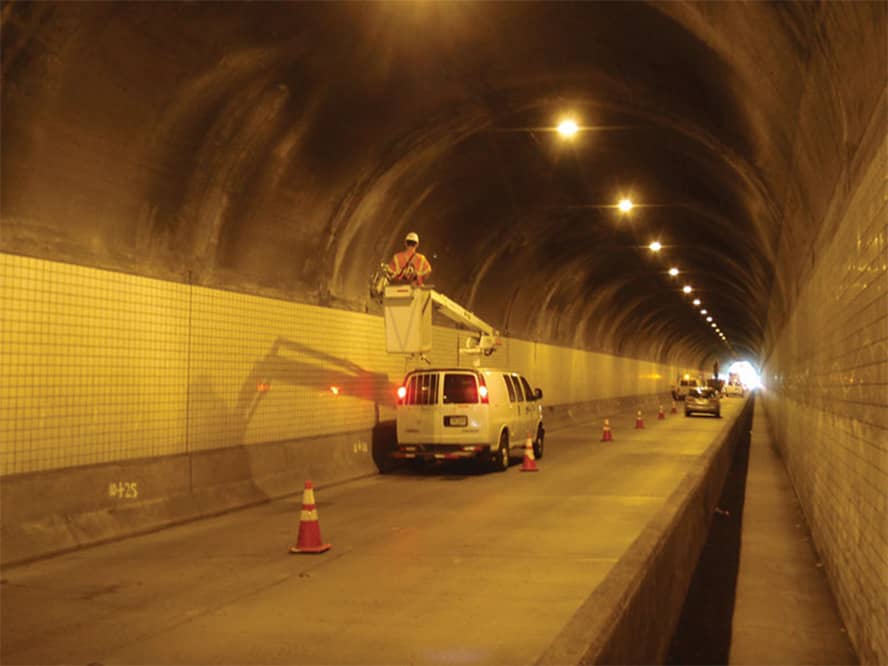
Tunnel inspection is a critical process in maintaining the safety, efficiency, and longevity of tunnels, whether they are used for transportation, utilities, or other infrastructure purposes. Proper inspection not only prevents catastrophic failures but also ensures smooth operations, reduces maintenance costs, and extends the lifespan of these vital structures.
Importance of Tunnel Inspection
Tunnels are subjected to constant stress due to natural and man-made factors, including soil movement, water seepage, vibrations from traffic, and environmental conditions. Without regular tunnel inspections, small defects like cracks, corrosion, or water leakage can escalate into major structural issues. Routine inspections allow engineers to identify potential hazards early and take preventive measures, safeguarding both the infrastructure and the lives of people who use it.
Methods of Tunnel Inspection
Modern tunnel inspection employs a combination of traditional and advanced techniques. Visual inspections remain the most basic and essential method, where trained inspectors examine the tunnel lining, joints, and support structures for visible signs of damage.
Technological advancements have introduced more precise tools such as drones, laser scanning, and ground-penetrating radar (GPR). These technologies allow inspectors to assess hard-to-reach areas safely and collect accurate data for structural analysis. Additionally, automated monitoring systems can provide real-time information on tunnel conditions, enabling predictive maintenance.
Key Areas Assessed During Tunnel Inspection
During a tunnel inspection, several critical elements are examined, including:
-
Structural Integrity: Evaluating the condition of concrete linings, steel reinforcements, and support systems.
-
Water Seepage: Identifying leaks or moisture accumulation that can weaken the tunnel structure over time.
-
Ventilation Systems: Ensuring air quality and proper ventilation, especially in road and rail tunnels.
-
Lighting and Safety Features: Checking emergency exits, lighting, and fire suppression systems.
By assessing these areas, tunnel inspection helps prevent accidents, ensures regulatory compliance, and maintains operational efficiency.
Benefits of Regular Tunnel Inspection
Regular tunnel inspection offers multiple benefits:
-
Enhanced Safety – Early detection of defects reduces the risk of accidents and structural failures.
-
Cost Savings – Timely repairs prevent expensive emergency interventions.
-
Extended Lifespan – Proactive maintenance preserves the tunnel structure for longer periods.
-
Regulatory Compliance – Helps meet safety and engineering standards mandated by authorities.
Tunnel inspection is an essential aspect of infrastructure management that combines human expertise with modern technology. By implementing regular inspections, engineers can maintain the structural health, safety, and functionality of tunnels, ultimately protecting both the public and the investment in these critical assets.
Related Industries

Industrial Construction Assessment
Building Assessment
Bridge Inspection
Tunnel Inspection
Road Assessment
Building Retrofits & Refurb
Building Information Modeling (BIM)

Heritage Site Assessment
Topics