Building Assessment
- Published inConstruction
- Jun 27, 2024
- 1.41 Min
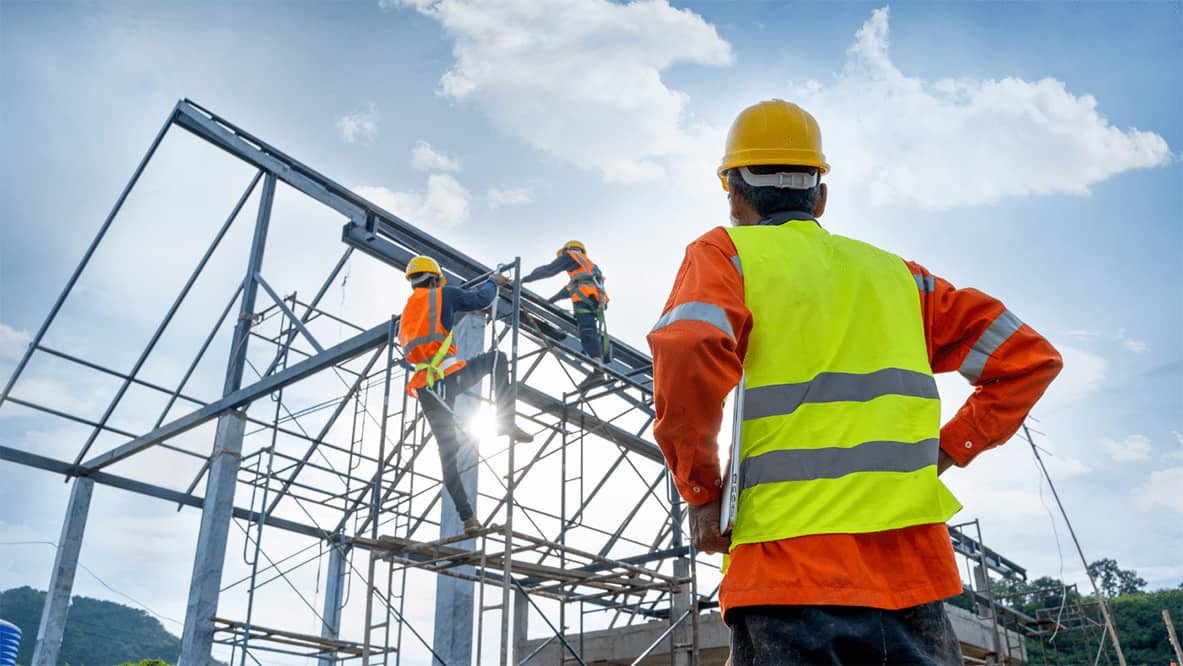
Building assessment is a critical process that ensures the safety, durability, and performance of structures. Whether it’s a residential home, commercial building, or industrial facility, regular assessments help identify potential issues before they escalate into costly repairs or safety hazards. With growing urbanization and aging infrastructure, professional building assessments are becoming essential for property owners and managers.
Why Building Assessment is Important
A building assessment provides a comprehensive evaluation of a structure’s condition. It involves examining key components such as the foundation, walls, roof, electrical systems, plumbing, and overall structural integrity. Here’s why it matters:
-
Safety First – The primary goal of building assessment is to protect occupants by identifying structural weaknesses, fire hazards, or electrical risks.
-
Cost Savings – Early detection of problems allows for timely repairs, preventing expensive damage in the future.
-
Regulatory Compliance – Many cities and municipalities require building inspections to ensure structures meet safety codes and standards.
-
Property Value Maintenance – Well-maintained buildings retain higher market value and attract potential buyers or tenants.
Types of Building Assessments
There are several types of building assessments tailored to different needs:
-
Structural Assessment: Focuses on the strength and stability of the building’s framework, including beams, columns, and foundations.
-
Energy Efficiency Assessment: Evaluates energy usage and identifies ways to improve insulation, lighting, and HVAC systems.
-
Safety Assessment: Inspects fire safety measures, electrical wiring, and emergency exit routes.
-
Environmental Assessment: Checks for potential hazards such as mold, asbestos, or water damage.
How Building Assessment is Conducted
Professional building assessments are carried out by certified engineers or inspectors. The process typically involves:
-
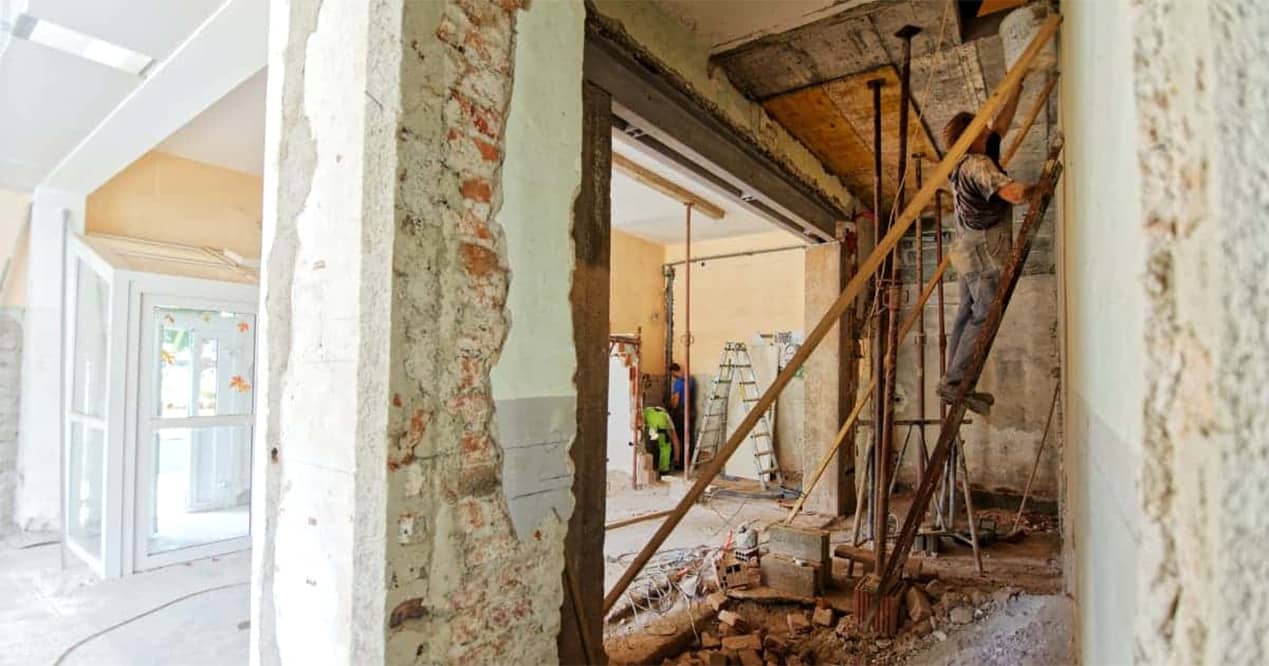
Visual Inspection: Observing the building for visible signs of damage like cracks, water leakage, or rust.
-
Non-Destructive Testing: Using tools like ultrasonic testers, infrared cameras, or moisture meters to evaluate hidden structural issues.
-
Documentation and Reporting: Providing a detailed report with findings, recommendations, and maintenance plans.
Choosing the Right Building Assessment Service
Selecting a reliable building assessment service is crucial. Look for companies with certified professionals, positive reviews, and modern testing equipment. Ensure they provide clear reports with actionable recommendations.
Regular building assessments not only extend the life of your property but also ensure the safety of everyone inside. By investing in professional inspections, property owners can avoid unexpected problems, reduce maintenance costs, and maintain compliance with local regulations.
Related Industries
Industrial Construction Assessment
Building Assessment
Bridge Inspection
Tunnel Inspection

Road Assessment
Building Retrofits & Refurb
Building Information Modeling (BIM)

Heritage Site Assessment
Topics