Road Assessment
- Published inConstruction
- Jun 27, 2024
- 1.52 Min

Road assessment plays a critical role in maintaining safe, efficient, and long-lasting transportation networks. Proper evaluation of roads ensures that infrastructure meets required standards, reduces accidents, and extends the lifespan of highways, streets, and rural pathways. Whether for urban projects or rural development, a thorough road assessment is essential for sustainable infrastructure planning.
What is Road Assessment?
Road assessment is the systematic evaluation of road conditions, structures, and performance. It involves inspecting pavement quality, subgrade stability, drainage efficiency, and traffic load capacity. The assessment helps identify existing damages such as cracks, potholes, rutting, and surface deformations. By understanding road conditions, engineers can prioritize maintenance, repair, and rehabilitation efforts effectively.
Importance of Road Assessment
-
Safety Improvement: Regular road assessment identifies hazards that can cause accidents, such as uneven surfaces, weak shoulders, or poor drainage systems. Timely interventions prevent accidents and save lives.
-
Cost-Effective Maintenance: Early detection of road defects helps reduce repair costs. Preventive maintenance is far cheaper than large-scale reconstruction triggered by neglect.
-
Optimized Traffic Flow: Well-maintained roads support smooth traffic movement, reduce congestion, and enhance travel efficiency. Road assessment ensures that critical transport routes remain functional and reliable.
-
Extended Road Lifespan: Routine evaluation allows timely reinforcement and resurfacing, extending the life of roads and saving public resources.
Methods of Road Assessment
Road assessment techniques vary depending on the type of road and the level of evaluation required. Common methods include:
-
Visual Inspection: Engineers conduct on-site surveys to identify visible defects like cracks, potholes, and surface wear.
-
Non-Destructive Testing (NDT): Technologies such as Ground Penetrating Radar (GPR) or Falling Weight Deflectometers (FWD) assess subgrade strength and pavement thickness without damaging the road.
-
Traffic Load Analysis: Monitoring vehicle load patterns helps evaluate whether roads can sustain existing and projected traffic volumes.
-
Environmental Assessment: Evaluating drainage, erosion, and surrounding soil conditions ensures roads can withstand seasonal weather and natural wear.
Road Assessment in Bangladesh
In Bangladesh, with its rapidly growing population and expanding transport network, road assessment has become increasingly critical. Urban roads, highways, and rural access roads face challenges like heavy traffic, monsoon flooding, and substandard construction materials. Comprehensive road assessments ensure infrastructure safety, support economic growth, and improve connectivity across regions.
Road assessment is a crucial aspect of modern infrastructure management. It enhances safety, reduces maintenance costs, and ensures roads remain functional and durable. For countries like Bangladesh, where road networks are vital for development, adopting systematic road assessment practices is essential. Regular evaluations, supported by modern technology and expert analysis, pave the way for safer, longer-lasting roads.
Related Industries

Industrial Construction Assessment

Building Assessment
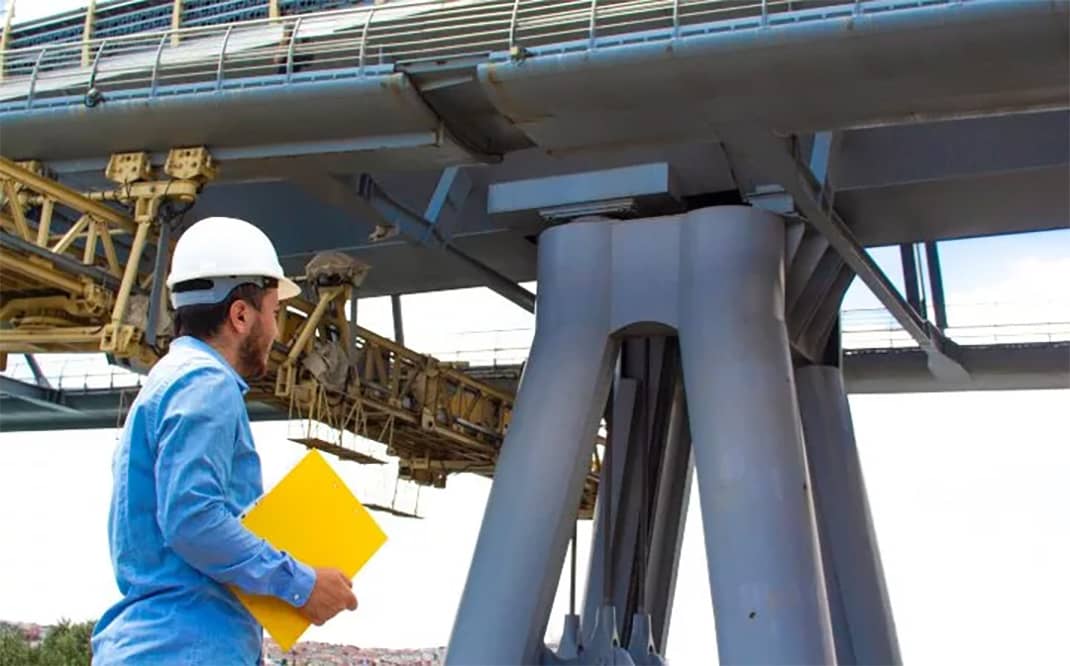
Bridge Inspection
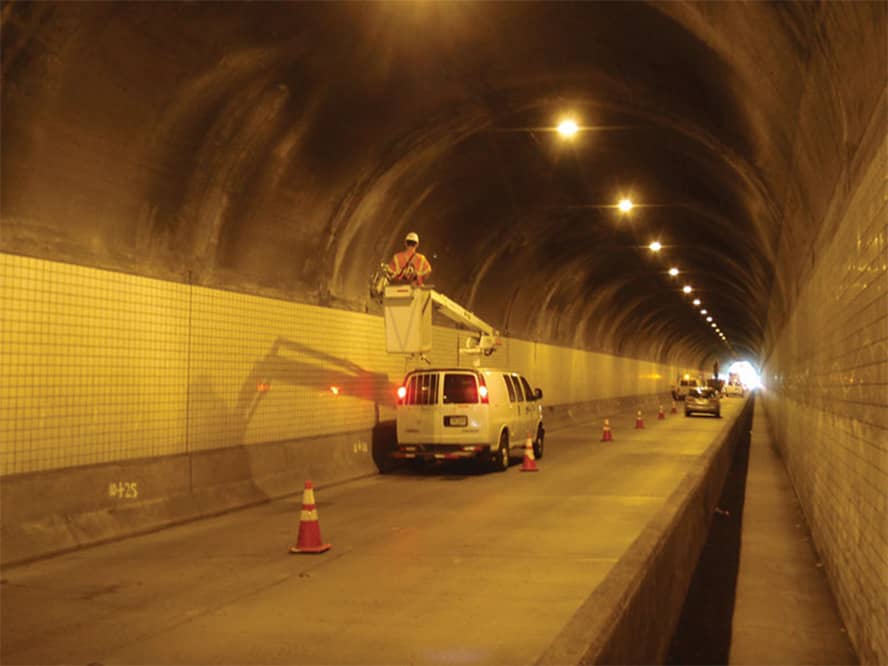
Tunnel Inspection
Road Assessment
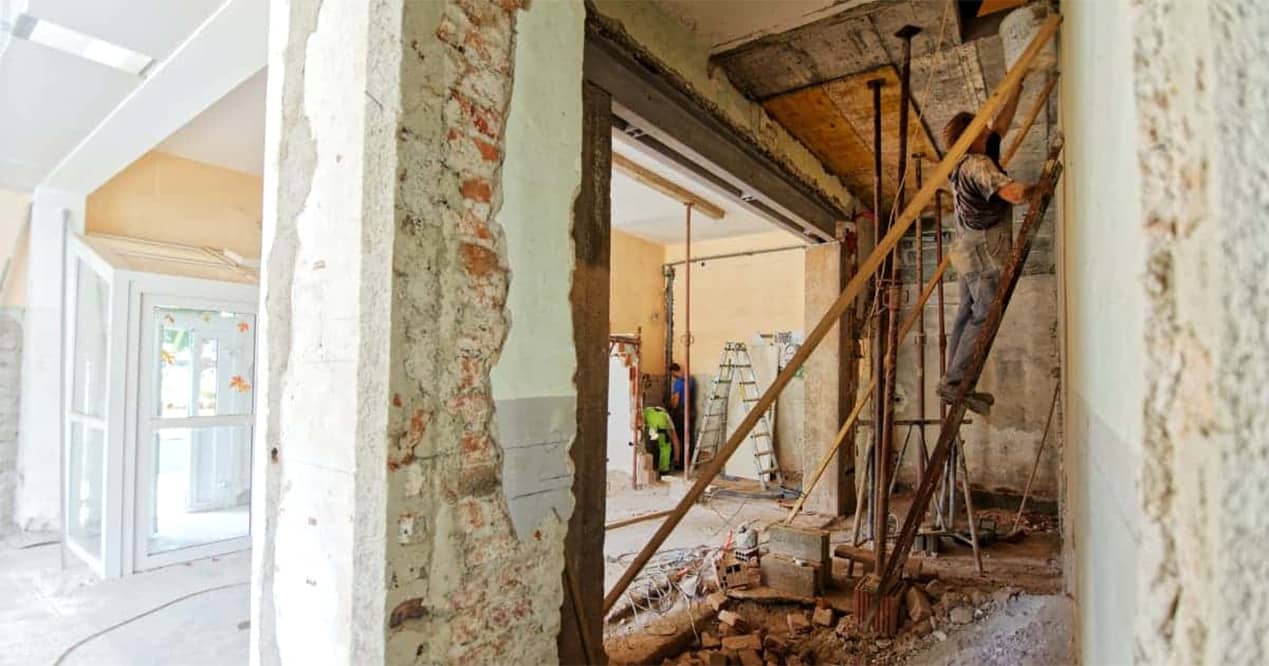
Building Retrofits & Refurb

Building Information Modeling (BIM)

Heritage Site Assessment
Topics