Building Information Modeling (BIM)
- Published inConstruction
- Jun 27, 2024
- 1.45 Min
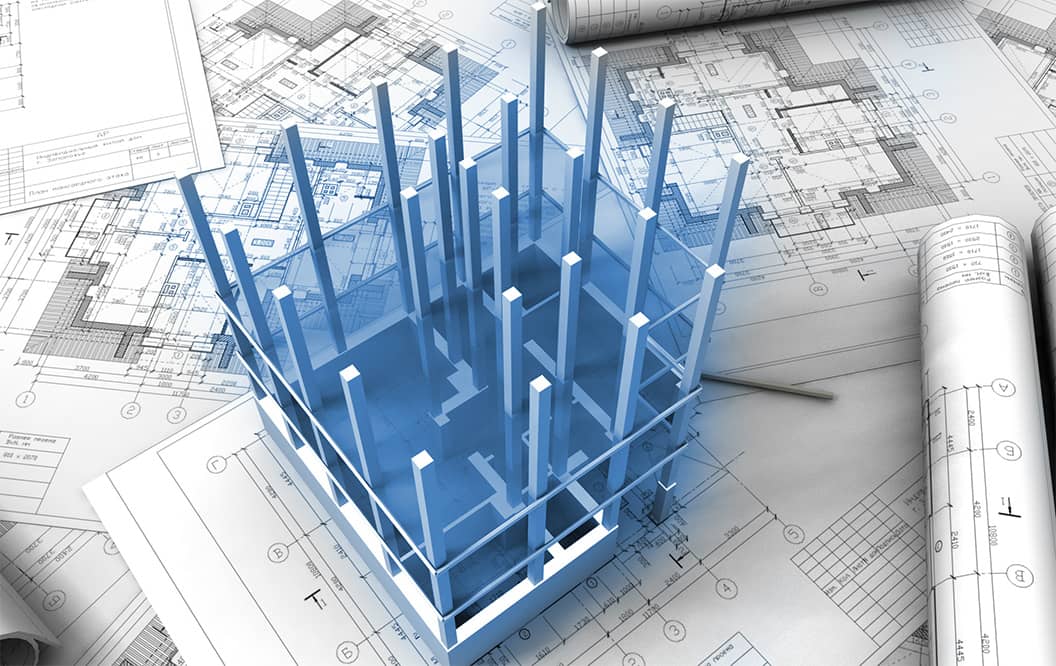
Building Information Modeling (BIM) has revolutionized the construction and architecture industries by providing a digital representation of a building’s physical and functional characteristics. From design to maintenance, BIM streamlines project workflows, enhances collaboration, and reduces costly errors. In this blog, we’ll explore the key benefits, applications, and future of BIM in construction.
What is Building Information Modeling (BIM)?
Building Information Modeling (BIM) is a process that involves creating and managing digital models of a building or infrastructure. Unlike traditional 2D drawings, BIM provides a 3D representation enriched with data such as material specifications, timelines, and operational requirements. This approach allows architects, engineers, contractors, and facility managers to work on a unified platform, ensuring accuracy and efficiency throughout the project lifecycle.
Key Benefits of BIM in Construction
Enhanced Collaboration
BIM fosters better collaboration between stakeholders by allowing real-time sharing of models and updates. Architects, engineers, and contractors can identify conflicts early in the design phase, reducing costly rework during construction.
Improved Accuracy and Visualization
With detailed 3D models, project teams can visualize the final building before construction begins. This helps in understanding complex designs, predicting potential issues, and making informed decisions.
Cost and Time Efficiency
BIM helps in precise quantity take-offs, cost estimation, and scheduling. By simulating construction sequences virtually, teams can optimize resources, minimize waste, and ensure timely project delivery.
Facility Management and Maintenance
BIM extends beyond construction. Post-construction, building managers can use the BIM model for maintenance planning, energy management, and renovations, ensuring the structure’s long-term efficiency.
Applications of BIM
BIM is used in various sectors, including commercial buildings, residential complexes, infrastructure projects, and industrial facilities. Its applications include:
-
Architectural design and visualization
-
Structural analysis and simulation
-
MEP (Mechanical, Electrical, and Plumbing) coordination
-
Construction planning and scheduling
-
Asset and facility management
Future of BIM in the Construction Industry
The future of BIM looks promising with advancements in technology. Integration with Artificial Intelligence (AI), Virtual Reality (VR), and Internet of Things (IoT) will make BIM smarter and more interactive. These innovations will further enhance design accuracy, predictive maintenance, and sustainable construction practices.
Building Information Modeling (BIM) is more than just software—it is a transformative approach that improves efficiency, collaboration, and decision-making in construction projects. As the construction industry increasingly adopts digital solutions, BIM will remain a cornerstone of modern building practices, paving the way for smarter, faster, and more sustainable construction.
Related Industries
Industrial Construction Assessment
Building Assessment
Bridge Inspection
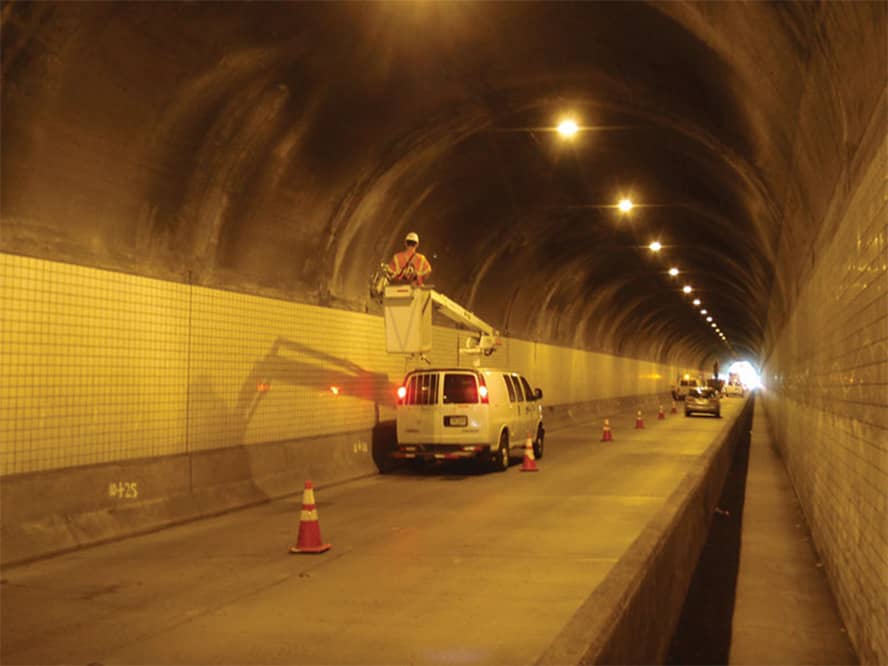
Tunnel Inspection

Road Assessment
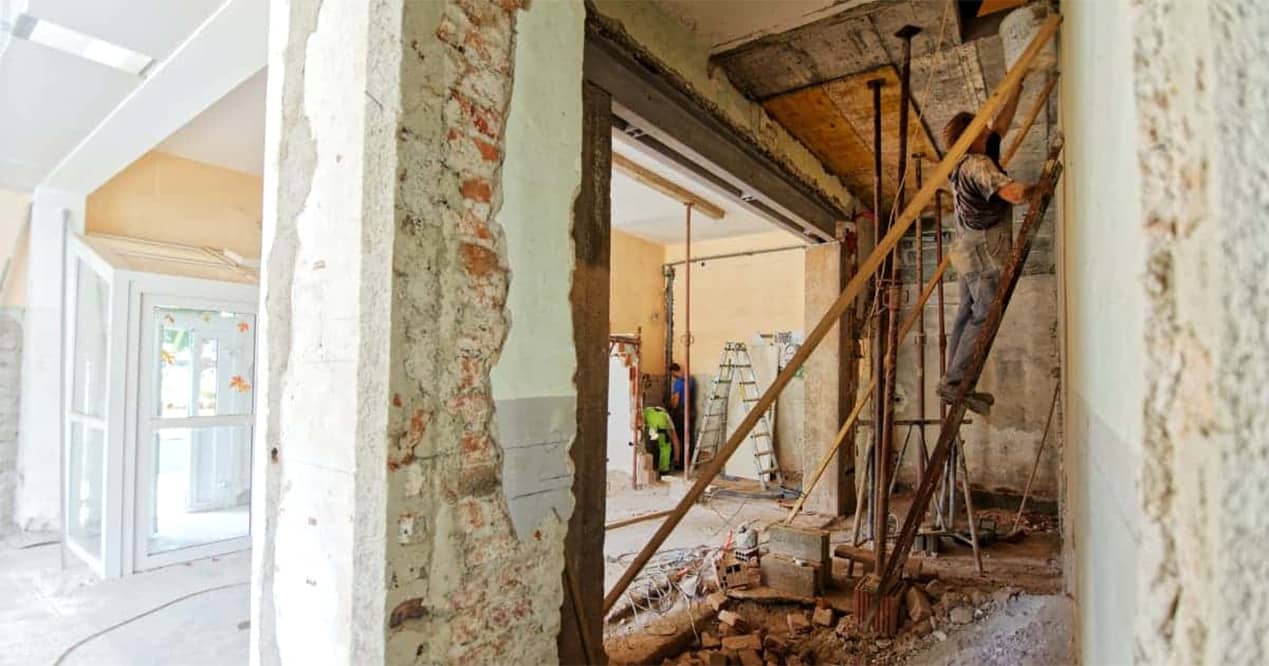
Building Retrofits & Refurb
Building Information Modeling (BIM)

Heritage Site Assessment
Topics