Heritage Site Assessment
- Published inConstruction
- Jun 27, 2024
- 1.49 Min

Heritage sites are invaluable treasures that reflect the rich history, culture, and architecture of a region. Assessing these sites is crucial to ensure their preservation and sustainable management. Heritage Site Assessment involves a comprehensive evaluation of a site’s historical, architectural, and cultural significance while identifying potential risks and conservation needs.
What is Heritage Site Assessment?
Heritage Site Assessment is a systematic process used by experts to evaluate the condition and significance of heritage properties. This process typically includes documenting the site, analyzing its historical and architectural features, assessing structural integrity, and identifying environmental or human-induced threats. The goal is to develop effective conservation strategies that maintain the site’s authenticity while allowing for sustainable use.
Importance of Heritage Site Assessment
The assessment of heritage sites is critical for several reasons:
-
Preservation of Cultural Identity: Heritage sites connect communities with their past. Proper assessment ensures these sites retain their cultural and historical integrity.
-
Risk Management: By identifying potential threats, such as environmental damage, pollution, or structural decay, heritage site assessments help prevent irreversible damage.
-
Sustainable Tourism: Well-maintained heritage sites attract tourists, contributing to local economies while ensuring that tourism activities do not harm the site.
-
Informed Restoration: Assessment provides a clear understanding of the site’s needs, guiding restoration projects to use appropriate materials and methods.
Steps Involved in Heritage Site Assessment
Heritage Site Assessment usually follows a structured approach:
-
Historical Research: Collecting data on the site’s origin, historical events, and cultural significance.
-
Condition Survey: Evaluating the current physical state of structures, materials, and surrounding landscapes.
-
Risk Analysis: Identifying threats from natural hazards, urban development, or human interference.
-
Conservation Planning: Developing strategies for preservation, restoration, and sustainable use of the site.
-
Documentation: Maintaining detailed records, including photographs, maps, and written reports, for future reference and decision-making.
Benefits of Professional Heritage Site Assessment
Engaging professional assessment services ensures accuracy and reliability. Experts use advanced techniques such as 3D scanning, drone surveys, and structural analysis to provide detailed insights. These evaluations not only help in protecting heritage sites but also support heritage management policies, urban planning, and community awareness programs.
Heritage Site Assessment plays a vital role in safeguarding the past while planning for the future. By understanding the historical, cultural, and structural aspects of heritage sites, authorities and communities can make informed decisions for their preservation. Regular assessments, combined with effective conservation strategies, ensure that heritage sites continue to educate and inspire generations to come.
Related Industries

Industrial Construction Assessment

Building Assessment

Bridge Inspection
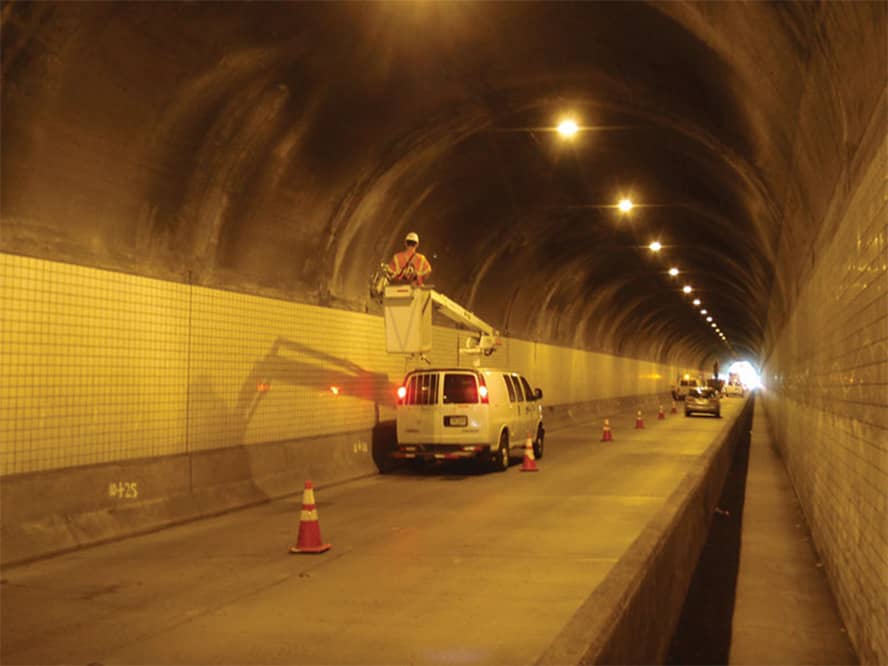
Tunnel Inspection

Road Assessment
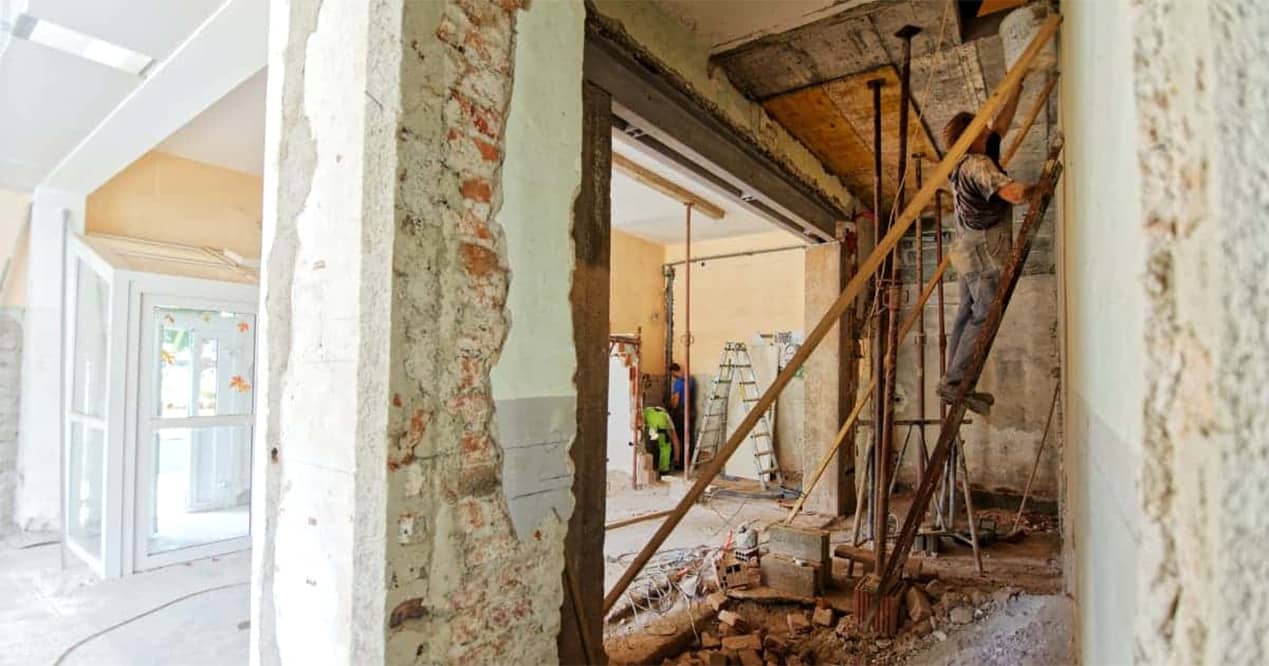
Building Retrofits & Refurb

Building Information Modeling (BIM)
Heritage Site Assessment
Topics