Building Retrofits & Refurb
- Published inConstruction
- Jun 27, 2024
- 1.52 Min
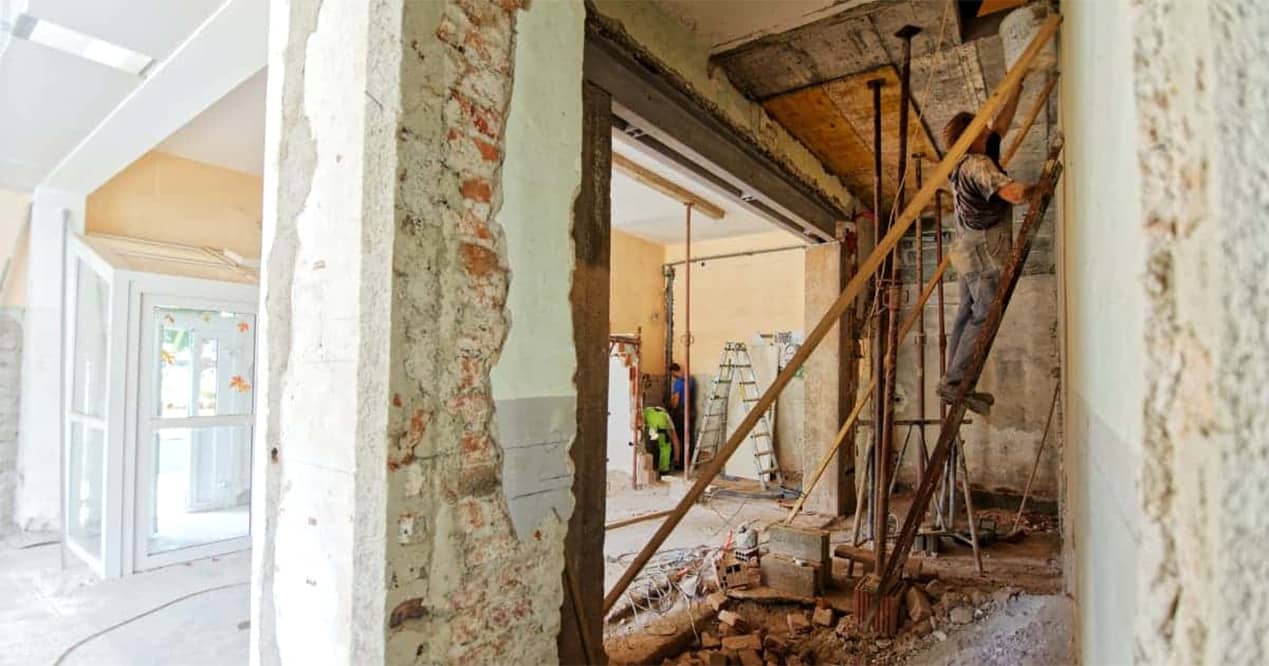
Building retrofits and refurbishments are becoming essential in today’s construction and real estate sectors. With increasing energy costs, stricter environmental regulations, and a growing demand for sustainable living and working spaces, upgrading existing buildings offers significant benefits over new construction. Whether it’s residential, commercial, or industrial properties, retrofitting and refurbishing can improve energy efficiency, safety, and aesthetics while extending the building’s lifespan.
What is Building Retrofit and Refurbishment?
Building retrofit refers to the process of updating an existing building with new technologies, materials, or systems to improve its performance. This may include upgrading HVAC systems, installing energy-efficient lighting, improving insulation, or integrating smart building technologies. Refurbishment, on the other hand, focuses on restoring or renovating parts of a building to enhance functionality, appearance, or structural integrity. Together, retrofits and refurbishments ensure that older buildings meet modern standards while minimizing environmental impact.
Benefits of Building Retrofits
One of the most significant advantages of building retrofits is energy efficiency. Older buildings often consume more energy due to outdated systems or poor insulation. Retrofitting with modern HVAC units, LED lighting, and energy-efficient windows can dramatically reduce energy bills. Additionally, retrofits contribute to sustainability by lowering carbon footprints, aligning with global green building initiatives.
Improved safety and compliance are also key benefits. Retrofitting allows building owners to update fire safety systems, electrical wiring, and structural components, ensuring compliance with current regulations and standards. This not only protects occupants but also increases property value.
Why Refurbishment Matters
Refurbishment plays a critical role in extending a building’s life. Over time, wear and tear can affect structural integrity and aesthetics. Renovating interiors, repairing facades, and updating flooring or roofing can revitalize a building, making it more appealing for tenants or buyers. In commercial spaces, refurbished buildings can attract higher-quality tenants and enhance employee productivity by creating a modern, comfortable environment.
Choosing the Right Approach
Successful retrofits and refurbishments require careful planning and expert execution. Assessing a building’s current condition, setting clear goals, and selecting appropriate technologies are crucial steps. Working with experienced architects, engineers, and contractors ensures that the project is cost-effective and delivers long-term benefits.
Building retrofits and refurbishments are more than just upgrades—they are investments in sustainability, efficiency, and safety. By modernizing existing structures, property owners can reduce operating costs, comply with regulations, and create healthier, more attractive spaces. Whether for energy efficiency or aesthetic improvement, retrofitting and refurbishing existing buildings are essential strategies for a sustainable future in construction.
Related Industries
Industrial Construction Assessment
Building Assessment
Bridge Inspection
Tunnel Inspection
Road Assessment
Building Retrofits & Refurb
Building Information Modeling (BIM)
Heritage Site Assessment
Topics