Industrial Construction Assessment
- Published inConstruction
- Jun 25, 2024
- 1.52 Min
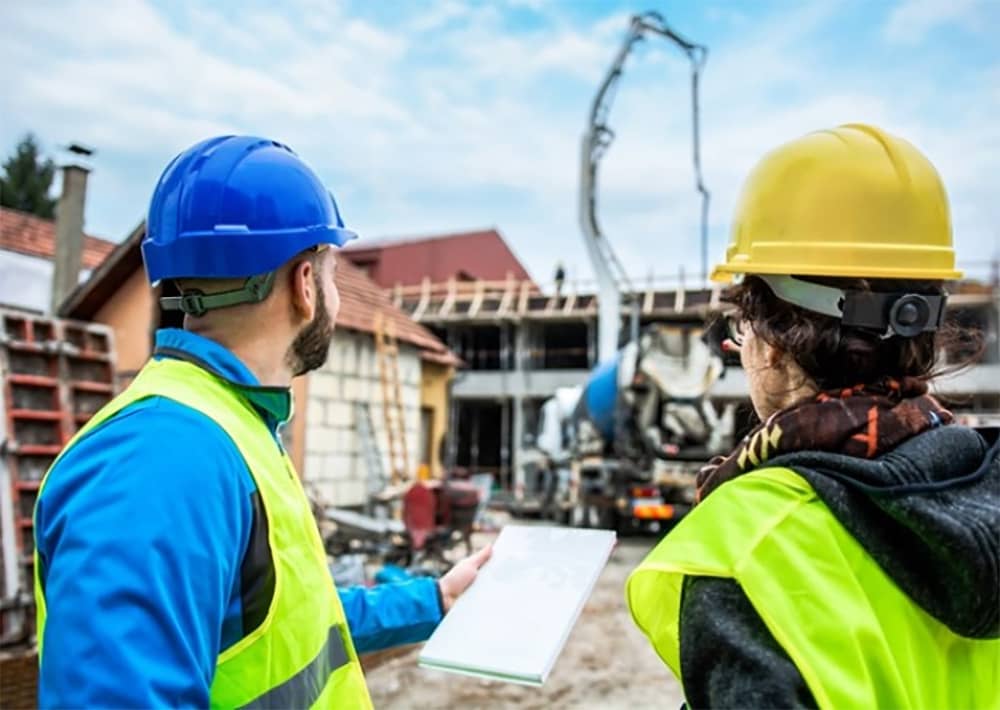
In today’s rapidly evolving industrial landscape, Industrial Construction Assessment has become a crucial part of project planning and execution. Whether constructing manufacturing plants, warehouses, or heavy industrial facilities, ensuring structural integrity, compliance with regulations, and operational efficiency is paramount. A thorough assessment not only guarantees safety but also optimizes costs and minimizes risks during the construction process.
Importance of Industrial Construction Assessment
Conducting an industrial construction assessment is essential for identifying potential issues before they escalate into costly problems. It involves a detailed evaluation of materials, design, and construction methods to ensure they meet industry standards. Key benefits include:
-
Safety Compliance: Industrial facilities often operate heavy machinery and handle hazardous materials. A proper assessment ensures adherence to local and international safety standards, reducing the risk of accidents and legal penalties.
-
Quality Assurance: Regular inspections help maintain high construction standards, ensuring the structure’s longevity and durability. Quality assessments also prevent defects that could disrupt production.
-
Cost Efficiency: Identifying design flaws or construction errors early in the process prevents expensive repairs or modifications later, saving both time and money.
-
Operational Efficiency: Assessments ensure that the facility layout and design support smooth operations, from material handling to workflow optimization.
Key Steps in Industrial Construction Assessment
A comprehensive industrial construction assessment typically includes the following steps:
-
Pre-Construction Analysis: Reviewing project designs, materials, and compliance requirements to identify potential challenges before construction begins.
-
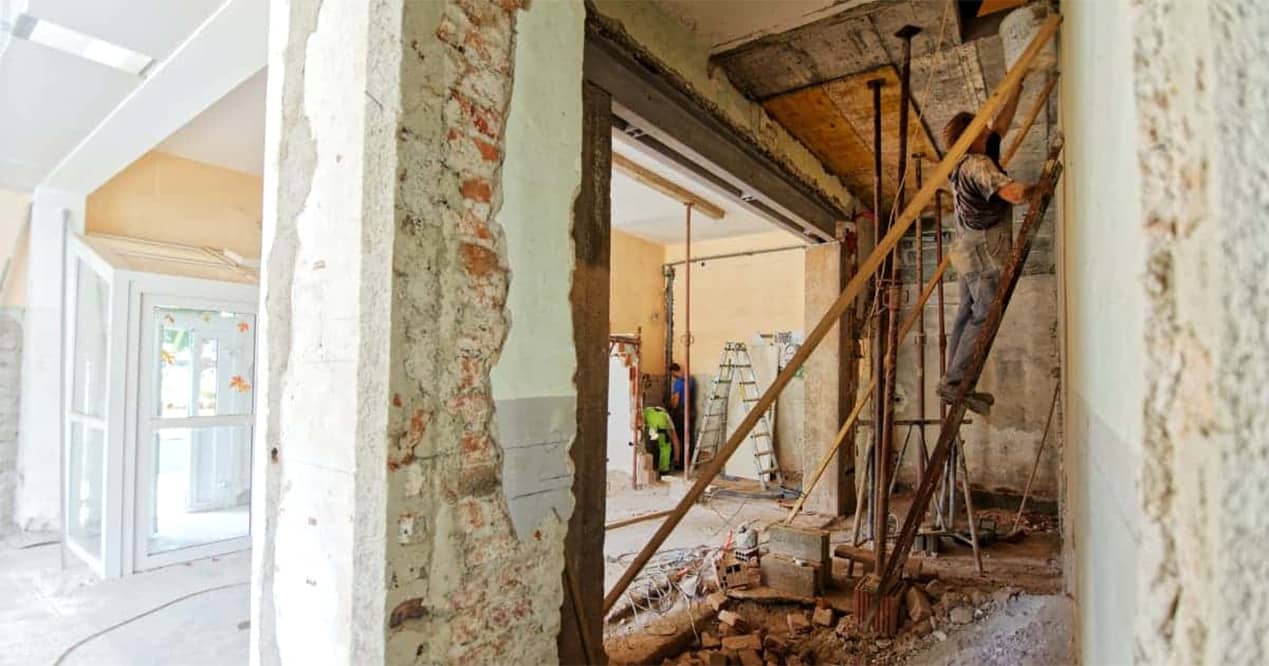
Structural Evaluation: Assessing the strength and stability of foundations, frameworks, and supporting structures to ensure they meet load-bearing and safety standards.
-
Material Testing: Testing construction materials such as concrete, steel, and other composites for quality and durability.
-
Site Inspection: Regular on-site inspections to monitor progress, detect deviations from the design plan, and ensure adherence to safety protocols.
-
Final Assessment and Reporting: Compiling a detailed report highlighting findings, recommendations, and corrective actions to guarantee project success.
Modern Tools and Techniques
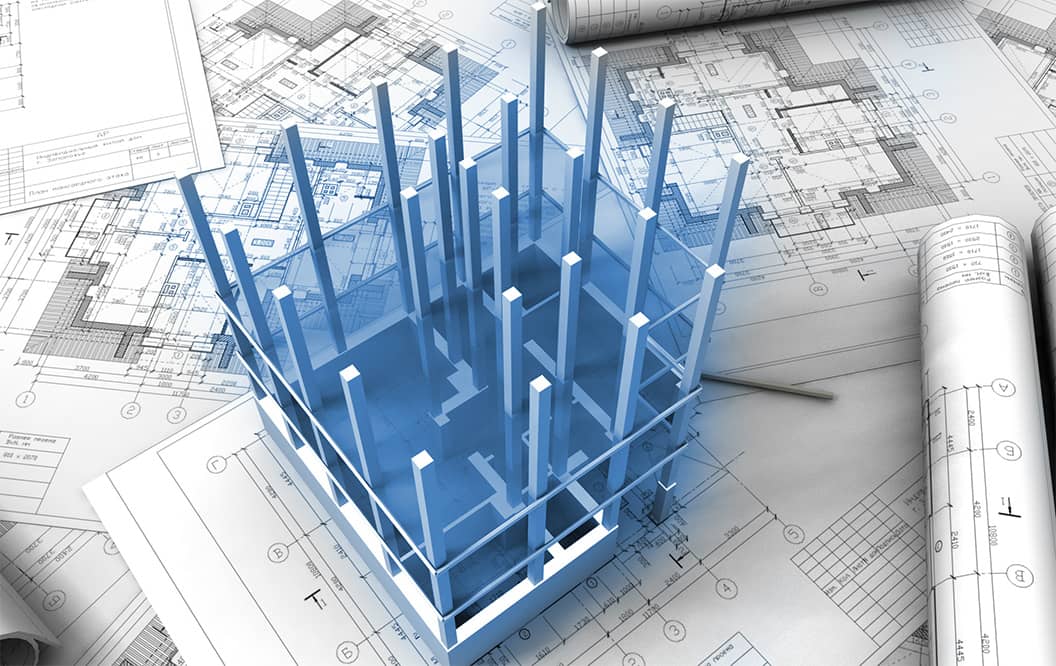
Industrial construction assessments are increasingly relying on advanced technologies to improve accuracy and efficiency. Drone surveys provide real-time aerial insights, while 3D modeling and BIM (Building Information Modeling) allow for precise structural analysis. Non-destructive testing techniques and environmental monitoring further enhance the reliability of assessments.
Investing in a thorough Industrial Construction Assessment is no longer optional—it is a necessity for safe, cost-effective, and high-quality industrial projects. By combining professional expertise with modern technology, companies can minimize risks, ensure compliance, and create facilities that are both durable and efficient. Proper assessment today saves time, money, and resources tomorrow, making it a cornerstone of successful industrial construction projects.
Related Industries
Industrial Construction Assessment
Building Assessment
Bridge Inspection
Tunnel Inspection

Road Assessment
Building Retrofits & Refurb
Building Information Modeling (BIM)

Heritage Site Assessment
Topics