Automated Calibration System
- Published inDefense & Law Enforcement
- Jun 27, 2024
- 1.55 Min
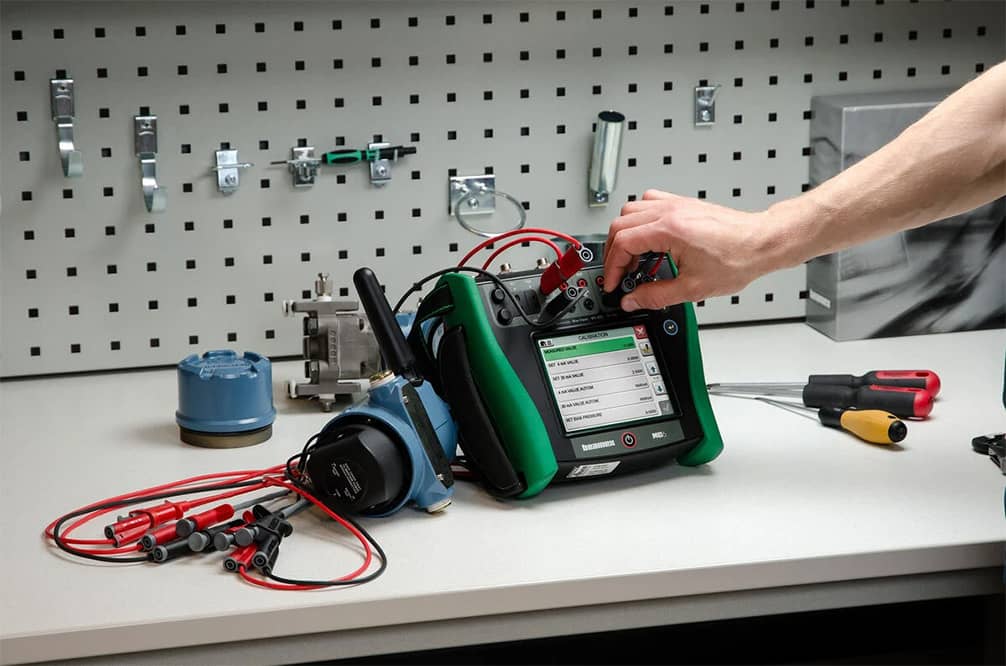
In today’s technology-driven world, accuracy and efficiency are crucial in every industrial and laboratory setting. The Automated Calibration System has emerged as a game-changer, ensuring precise measurements, reducing human error, and enhancing productivity. Whether in electronics, manufacturing, or research labs, automated calibration solutions are transforming how instruments are maintained and verified.
What is an Automated Calibration System?
An Automated Calibration System is a technology-driven solution designed to calibrate measuring instruments automatically without requiring extensive manual intervention. Unlike traditional calibration methods, which are labor-intensive and prone to human error, automated systems streamline the calibration process, ensuring higher consistency and accuracy. These systems often use advanced software, robotic components, and precise reference standards to perform calibrations efficiently.
Key Features of Automated Calibration Systems
-
High Precision and Accuracy – Automated systems ensure that every measurement aligns with strict international standards, minimizing the risk of inaccurate readings.
-
Time Efficiency – These systems reduce the time required for calibration, allowing laboratories and industries to handle a larger volume of instruments efficiently.
-
Data Logging and Traceability – Most automated calibration systems come with integrated software to store calibration data, generate reports, and maintain complete traceability.
-
Reduced Human Error – Automation minimizes manual intervention, significantly decreasing the possibility of mistakes.
-
Scalability – From small-scale labs to large industrial operations, automated calibration systems can be scaled according to operational needs.
Benefits of Implementing Automated Calibration Systems
Implementing an Automated Calibration System offers multiple advantages. Firstly, it enhances operational efficiency by performing repeated calibrations faster than manual methods. Secondly, it improves compliance with international standards such as ISO/IEC 17025 by ensuring traceable and reliable calibration records. Thirdly, automation reduces labor costs and frees up skilled personnel to focus on critical tasks.
Moreover, automated systems help industries maintain high-quality production standards, prevent equipment failures, and reduce downtime. These benefits collectively contribute to significant cost savings and better overall productivity.
Applications of Automated Calibration Systems
Automated calibration systems are widely used across various sectors:
-
Electronics Industry: For testing and calibrating electronic components with high accuracy.
-
Pharmaceutical and Healthcare: Ensuring medical devices meet strict calibration standards.
-
Manufacturing: Maintaining the precision of machinery and production tools.
-
Research Laboratories: Providing reliable calibration for scientific instruments and experimental setups.
The Automated Calibration System is no longer a luxury but a necessity for industries and laboratories striving for precision, efficiency, and compliance. By integrating automation into the calibration process, organizations can achieve consistent accuracy, reduce operational costs, and enhance productivity. As technology advances, these systems will continue to evolve, offering even more sophisticated solutions to meet the demands of modern industry.
Related Industries

Crime Scene Investigation

Forensic investigation

Surveillance System
Digital Twin

Communication Interception

Night Vision Technology
Automated Training Simulator
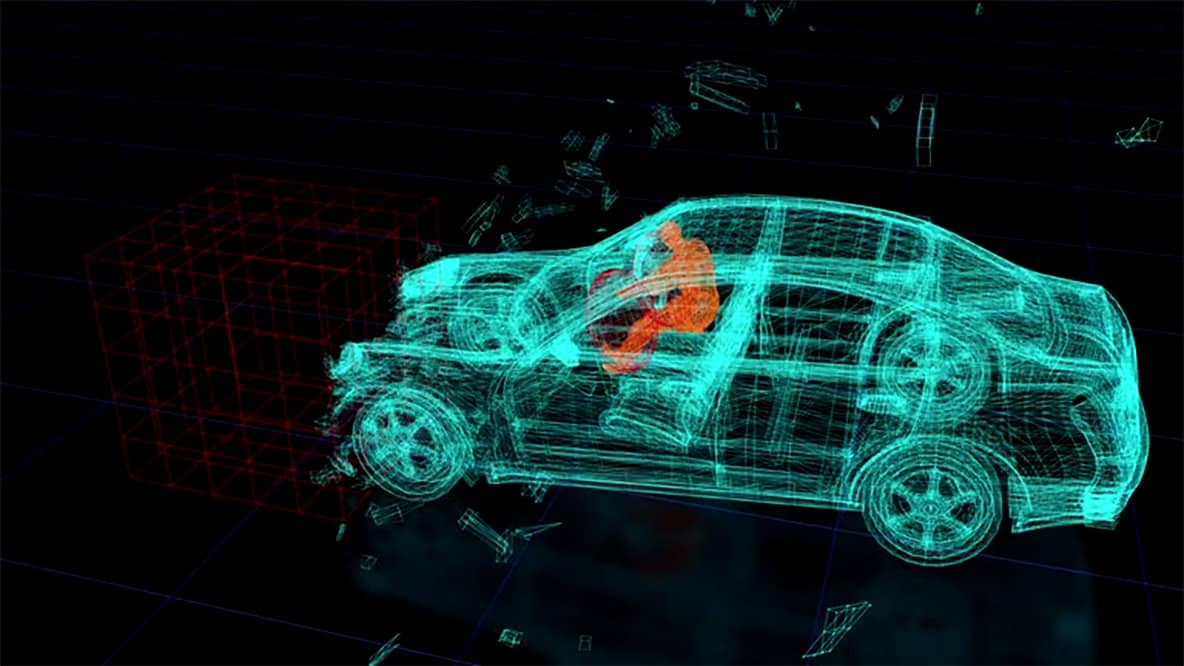
Crash Analysis and Modeling
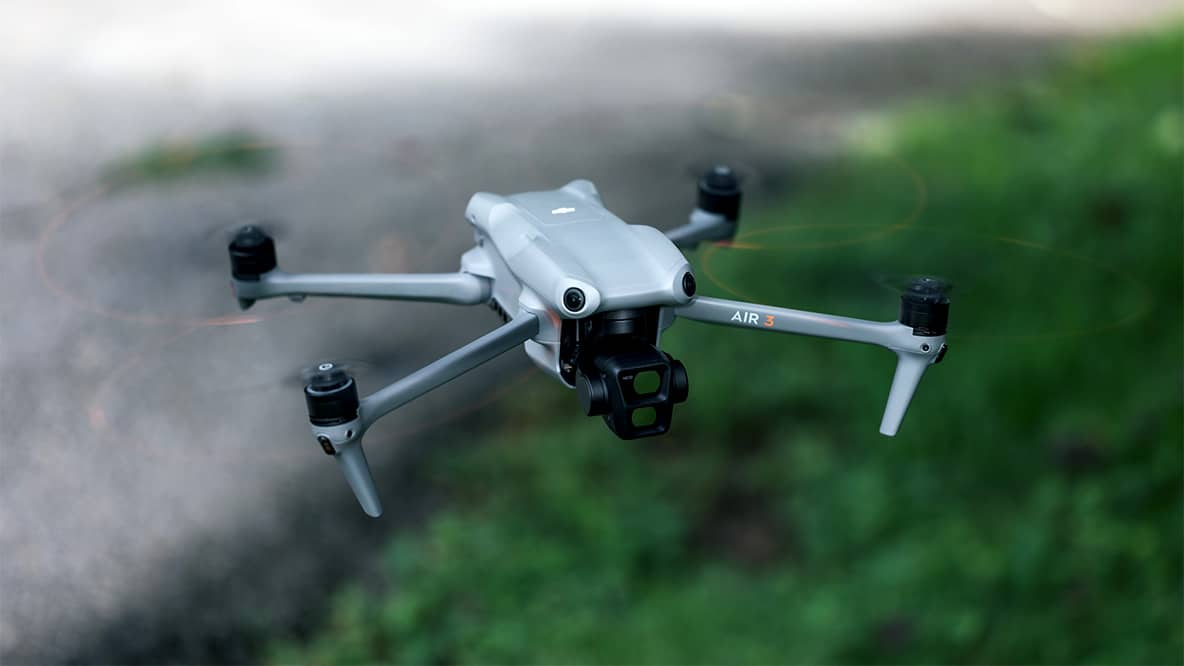
Drone Solution
-Technology-1731220387.jpg)
Electronic Warfare & Radio Frequency (RF) Technology
Automated Calibration System
VVIP Security
-1731221881.jpg)
Secure Communications (RF, Optical and Ethernet)

Defense Modernization Software’s
Topics