Electronic Warfare & Radio Frequency (RF) Technology
- Published inDefense & Law Enforcement
- Jun 27, 2024
- 1.45 Min
-Technology-1731220387.jpg "Electronic Warfare & Radio Frequency (RF) Technology")
In modern defense and communication systems, Electronic Warfare (EW) and Radio Frequency (RF) Technology play a pivotal role in ensuring national security, battlefield dominance, and efficient communication. As threats evolve, understanding the synergy between EW and RF technology becomes crucial for both military and civilian applications.
What is Electronic Warfare?
Electronic Warfare refers to the strategic use of the electromagnetic spectrum to detect, disrupt, or deceive enemy systems. EW encompasses a range of operations including electronic attack (EA), electronic protection (EP), and electronic support (ES). These operations help military forces intercept enemy communications, jam hostile radar, and safeguard their own electronic assets.
Role of Radio Frequency (RF) Technology
Radio Frequency technology forms the backbone of electronic warfare. RF waves, which occupy the electromagnetic spectrum from 3 kHz to 300 GHz, are used in communication, radar, and navigation systems. Modern RF technology allows for signal detection, direction finding, and spectrum management, making it indispensable in both offensive and defensive EW operations.
Integration of EW and RF Systems
The integration of EW with RF technology enhances operational efficiency. For instance, jamming systems use RF signals to disrupt enemy radar and communication networks, while RF sensors provide real-time situational awareness. Advanced EW platforms rely on sophisticated RF algorithms to analyze, filter, and respond to threats with precision, minimizing risks on the battlefield.
Applications in Defense and Civilian Sectors
Beyond military use, EW and RF technologies have significant civilian applications. Aviation and maritime sectors use RF systems for navigation and collision avoidance, while telecommunications industries leverage spectrum management techniques to optimize wireless communication networks. Additionally, cybersecurity experts employ RF monitoring tools to detect unauthorized signal interference.
Future Trends in Electronic Warfare and RF Technology
With the rise of 5G networks, autonomous systems, and satellite communications, the importance of EW and RF technology continues to grow. Artificial intelligence (AI) and machine learning are being integrated into EW systems to predict threats and automate spectrum management. Furthermore, innovations in RF stealth technology are helping modern defense systems become more resilient against electronic attacks.
Electronic Warfare and Radio Frequency Technology are no longer limited to traditional military operations. Their applications span across defense, telecommunications, aviation, and cybersecurity. As the electromagnetic spectrum becomes increasingly contested, mastering EW and RF technology is essential for maintaining technological superiority and ensuring secure communications. Organizations and governments investing in these technologies are better prepared to face evolving electronic threats in an interconnected world.
Related Industries

Crime Scene Investigation

Forensic investigation

Surveillance System
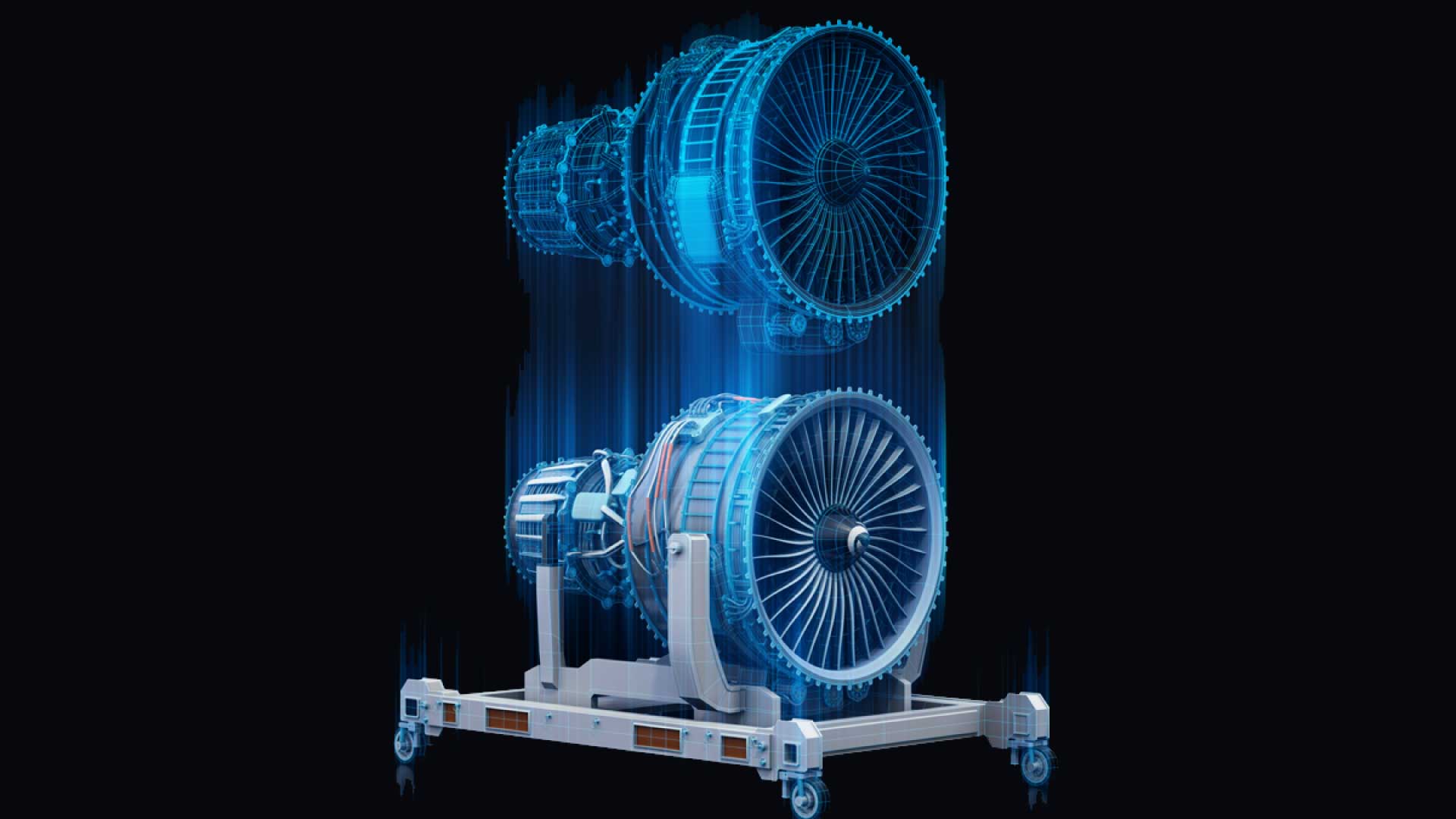
Digital Twin

Communication Interception

Night Vision Technology

Automated Training Simulator
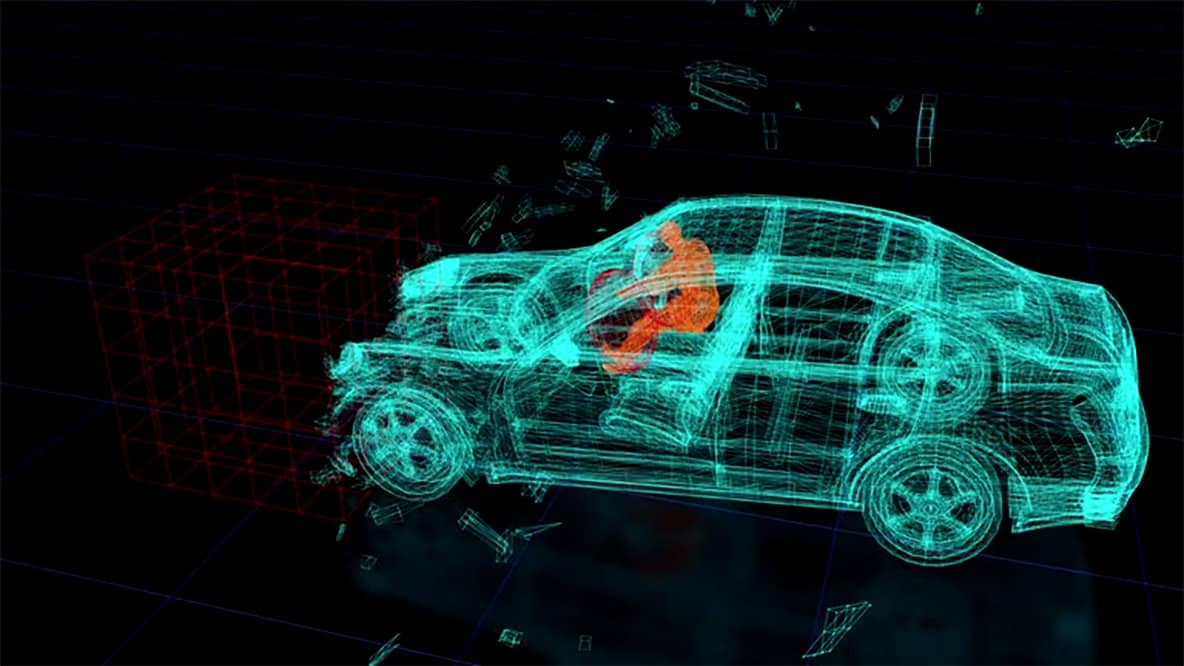
Crash Analysis and Modeling
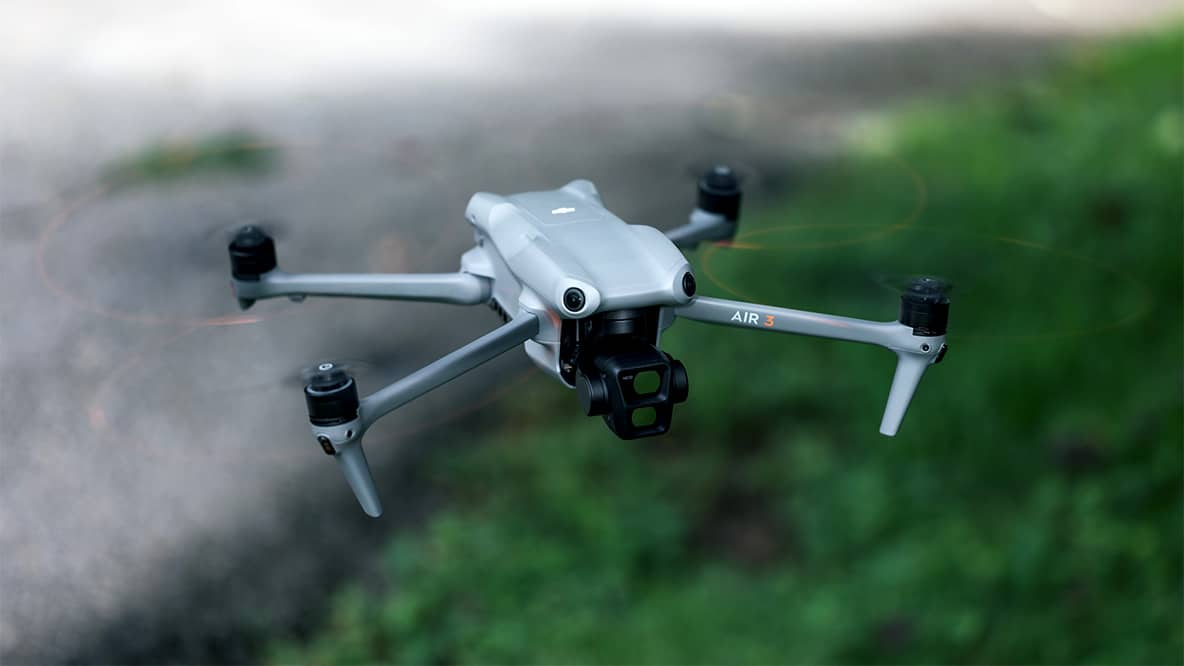
Drone Solution
Electronic Warfare & Radio Frequency (RF) Technology

Automated Calibration System

VVIP Security
-1731221881.jpg)
Secure Communications (RF, Optical and Ethernet)
Defense Modernization Software’s
Topics