Digital Twin
- Published inDefense & Law Enforcement
- Jun 27, 2024
- 1.49 Min
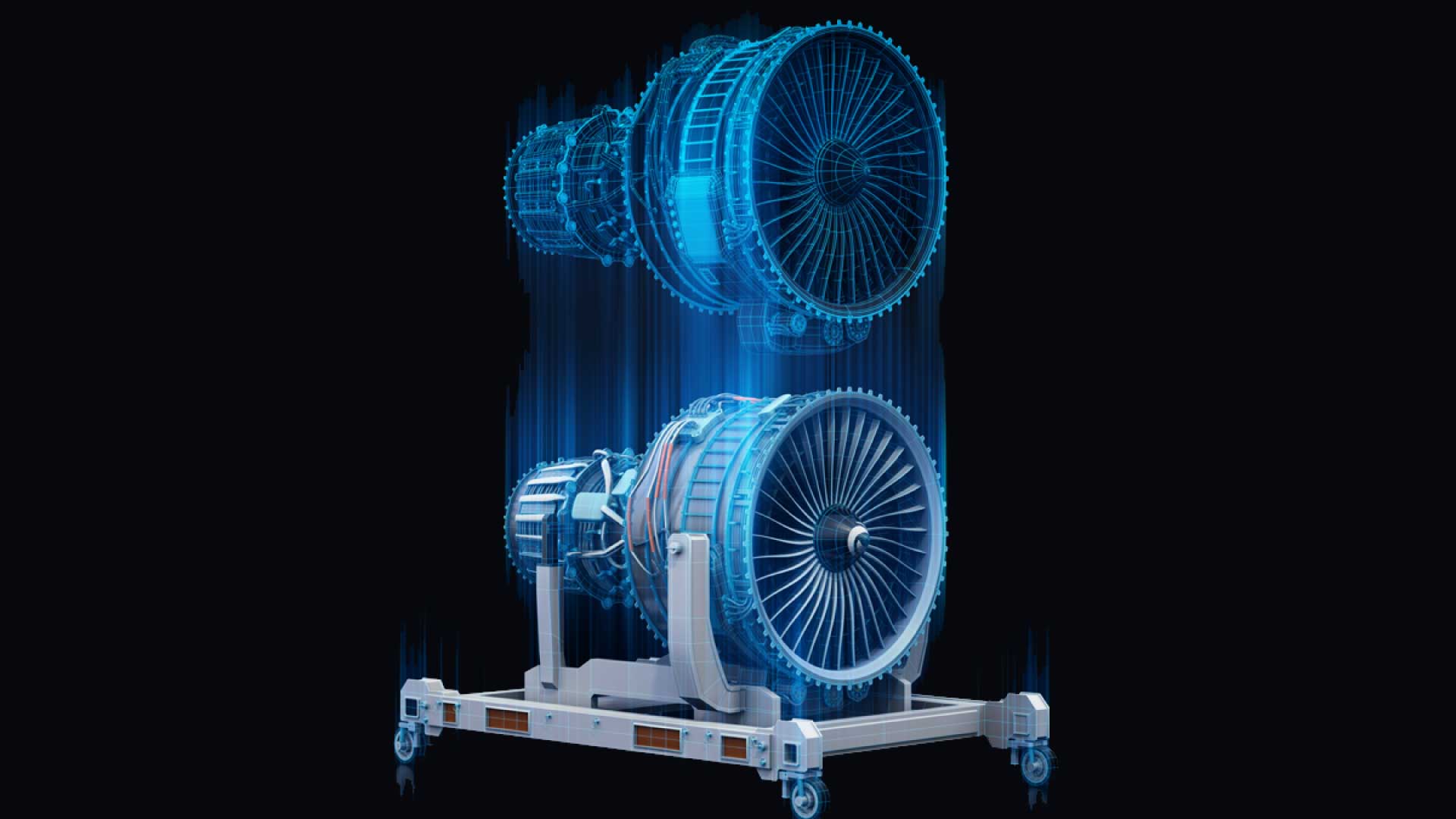
In today’s fast-paced technological era, the concept of Digital Twin has emerged as a game-changer across multiple industries. A Digital Twin is a virtual representation of a physical object, system, or process. Leveraging real-time data and simulations, it allows businesses to monitor, analyze, and optimize performance, enhancing efficiency and reducing operational risks.
What is a Digital Twin?
A Digital Twin is essentially a dynamic digital replica of a real-world entity. It integrates sensors, Internet of Things (IoT) devices, and advanced analytics to mirror the physical counterpart in a virtual environment. This digital model continuously receives data from its physical twin, making it possible to predict issues, improve performance, and plan maintenance before problems arise.
For instance, in manufacturing, Digital Twins can monitor machinery, predict equipment failures, and optimize production lines. Similarly, in smart cities, they help manage infrastructure, traffic systems, and energy usage efficiently.
Benefits of Digital Twin Technology
Digital Twin technology offers a plethora of benefits for businesses and industries:
-
Predictive Maintenance: By continuously analyzing data from machines, companies can anticipate failures and schedule maintenance, reducing downtime and costs.
-
Enhanced Performance: Digital Twins allow for performance simulations and optimizations, ensuring that systems run at their highest efficiency.
-
Risk Reduction: Businesses can test various scenarios virtually, mitigating risks associated with real-world operations.
-
Cost Savings: Optimizing operations and reducing unexpected failures directly lead to significant cost reductions.
-
Better Decision-Making: With real-time insights and predictive analytics, decision-makers can respond proactively rather than reactively.
Applications Across Industries
Digital Twin technology is not limited to manufacturing alone. Its applications are expanding across sectors:
-
Healthcare: Simulating patient conditions or medical devices for improved outcomes.
-
Energy & Utilities: Monitoring energy grids and optimizing consumption.
-
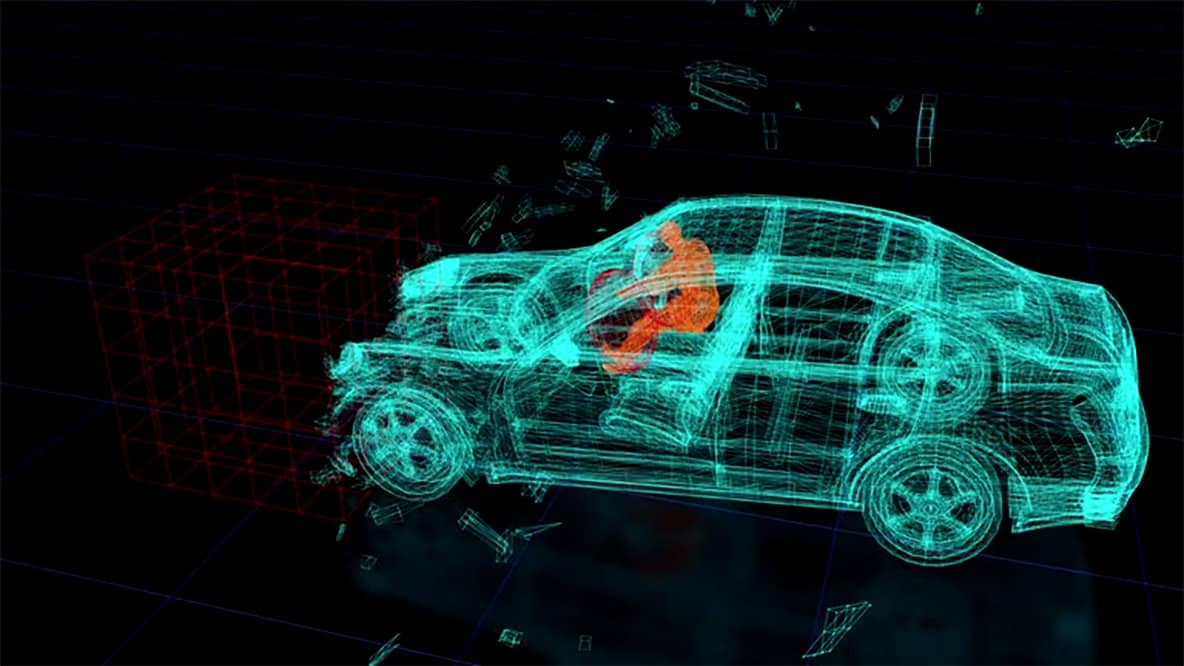
Automotive: Designing vehicles, predicting maintenance, and improving safety.
-
Construction & Real Estate: Managing building operations, sustainability, and urban planning efficiently.
Future of Digital Twin
As IoT, AI, and machine learning technologies advance, the future of Digital Twin looks promising. Organizations adopting this technology gain a competitive edge by enhancing operational efficiency, reducing costs, and innovating faster. The ability to virtually test, monitor, and optimize processes before implementing them in the real world ensures businesses stay ahead in a rapidly evolving market.
In conclusion, Digital Twin technology is no longer a futuristic concept—it is an essential tool for modern enterprises. By creating accurate digital replicas of physical assets, businesses can improve decision-making, reduce risks, and achieve operational excellence. Embracing this technology today means preparing for a smarter, more efficient tomorrow.
Related Industries

Crime Scene Investigation
Forensic investigation
Surveillance System
Digital Twin
Communication Interception
Night Vision Technology
Automated Training Simulator
Crash Analysis and Modeling
Drone Solution
-Technology-1731220387.jpg)
Electronic Warfare & Radio Frequency (RF) Technology
Automated Calibration System
VVIP Security
-1731221881.jpg)
Secure Communications (RF, Optical and Ethernet)
Defense Modernization Software’s
Topics