Forensic investigation
- Published inDefense & Law Enforcement
- Jun 23, 2024
- 1.47 Min
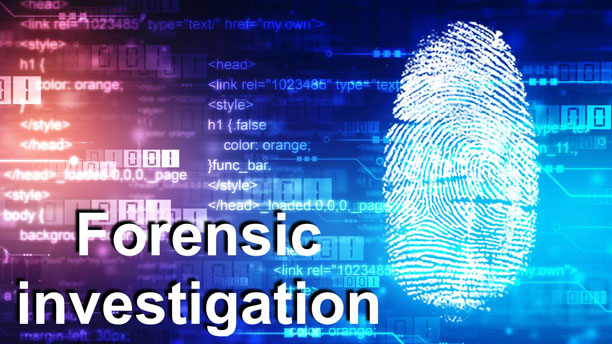
Forensic investigation plays a critical role in modern criminal justice, combining science, technology, and analytical expertise to solve crimes. From collecting evidence at a crime scene to analyzing complex data, forensic investigators work tirelessly to uncover the truth and bring justice to victims.
What is Forensic Investigation?
Forensic investigation is the application of scientific methods and techniques to investigate crimes and analyze evidence. It involves various disciplines such as forensic biology, chemistry, toxicology, digital forensics, and fingerprint analysis. These investigations help law enforcement agencies reconstruct events, identify suspects, and provide reliable evidence for courts.
Key Types of Forensic Investigation
Forensic investigation encompasses multiple specialized fields, each focusing on a different type of evidence:
-
Forensic Biology: Focuses on DNA analysis, blood samples, and other biological materials to identify suspects and victims.
-
Forensic Chemistry: Involves analyzing substances like drugs, explosives, and chemicals to determine their origin or composition.
-
Digital Forensics: Examines digital devices, including computers and smartphones, to uncover crucial electronic evidence.
-
Fingerprint and Trace Evidence Analysis: Studies fingerprints, hair, fibers, and other small clues left at the crime scene.
-
Forensic Pathology: Determines the cause and manner of death through autopsies and medical examination.
The Role of a Forensic Investigator
Forensic investigators are highly trained professionals who apply scientific techniques to solve crimes. Their responsibilities include:
-
Crime Scene Examination: Securing and documenting the scene to preserve evidence.
-
Evidence Collection: Collecting physical, biological, or digital evidence carefully to avoid contamination.
-
Laboratory Analysis: Conducting detailed analysis using advanced scientific methods.
-
Reporting and Testimony: Preparing detailed reports and sometimes providing expert testimony in court.
Importance of Forensic Investigation
Forensic investigation is essential in modern criminal justice for several reasons:
-
Accuracy: Helps ensure that investigations are scientifically sound and evidence-based.
-
Justice: Plays a crucial role in convicting the guilty and exonerating the innocent.
-
Crime Prevention: Analysis of patterns and evidence can help prevent future crimes.
-
Public Confidence: Strengthens trust in law enforcement and judicial systems.
Challenges in Forensic Investigation
Despite technological advancements, forensic investigation faces several challenges, such as:
-
Limited resources and funding for laboratories.
-
Backlogs in evidence processing.
-
Contamination or mishandling of evidence.
-
Rapidly evolving technology, especially in digital forensics.
Forensic investigation continues to evolve with new scientific techniques and technological tools. Its integration of science and law enforcement has revolutionized crime-solving, making it a cornerstone of modern justice systems. By understanding the role and scope of forensic investigations, we appreciate how science aids in uncovering truth and upholding justice.
Related Industries
Crime Scene Investigation
Forensic investigation

Surveillance System

Digital Twin

Communication Interception

Night Vision Technology

Automated Training Simulator

Crash Analysis and Modeling

Drone Solution
-Technology-1731220387.jpg)
Electronic Warfare & Radio Frequency (RF) Technology
Automated Calibration System

VVIP Security
-1731221881.jpg)
Secure Communications (RF, Optical and Ethernet)

Defense Modernization Software’s
Topics