Defense Modernization Software’s
- Published inDefense & Law Enforcement
- Jun 27, 2024
- 1.54 Min
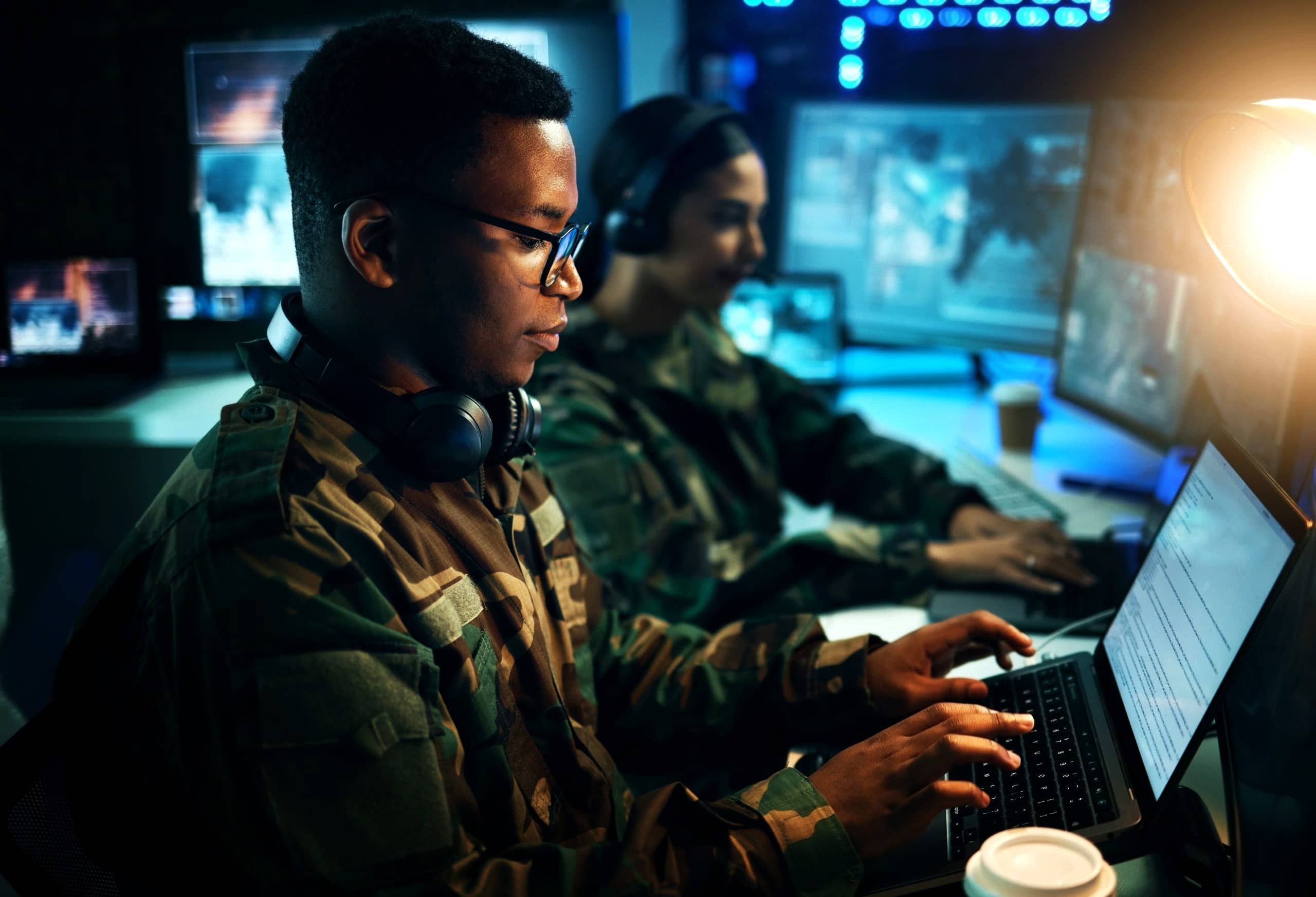
In an era defined by rapid technological advancements, defense modernization software has emerged as a cornerstone for military organizations worldwide. This software integrates advanced technologies to enhance operational efficiency, ensure national security, and streamline defense strategies. Governments and defense agencies increasingly rely on these solutions to maintain a competitive edge in modern warfare.
What is Defense Modernization Software?
Defense modernization software refers to sophisticated digital systems designed to upgrade military operations. It encompasses various solutions, including command and control systems, logistics management platforms, simulation software, and cybersecurity tools. The software allows armed forces to automate processes, analyze large volumes of data, and make real-time strategic decisions. By implementing these tools, defense agencies can modernize their operations without the high costs and risks associated with traditional upgrades.
Key Benefits of Defense Modernization Software
-
Enhanced Operational Efficiency
Modern defense software optimizes workflows by integrating multiple functions into a single platform. This reduces redundancy and allows military personnel to focus on critical tasks. Automated systems improve response times during emergencies, ensuring swift decision-making in high-pressure situations. -
Data-Driven Decision Making
Defense operations generate massive amounts of data daily. Modern software employs AI and analytics to process this information, providing actionable insights. Leaders can forecast potential threats, assess risks, and plan missions more effectively with accurate, real-time data. -
Improved Cybersecurity
In the digital age, cybersecurity is critical for national defense. Defense modernization software strengthens digital infrastructure by monitoring for threats, detecting anomalies, and preventing cyberattacks. This proactive approach safeguards sensitive information and protects military networks from external breaches. -
Cost-Effective Upgrades
Traditional military upgrades are often expensive and time-consuming. Defense modernization software allows for scalable improvements without massive infrastructure changes. Organizations can update specific modules, reducing both financial burden and downtime during implementation.
Key Features to Look For
When selecting defense modernization software, agencies should focus on several core features:
-
Real-time monitoring and reporting
-
Seamless integration with existing systems
-
Advanced analytics and AI capabilities
-
User-friendly interfaces for ease of training
-
Robust cybersecurity measures
Future of Defense Modernization
The future of defense modernization software is heavily tied to emerging technologies like artificial intelligence, machine learning, and the Internet of Things (IoT). These innovations will further enhance predictive capabilities, automate logistics, and improve battlefield communication. Nations investing in modern defense solutions today are likely to maintain a strategic advantage in the decades to come.
In conclusion, defense modernization software is no longer a luxury but a necessity for modern military forces. By embracing these digital solutions, defense organizations can ensure operational efficiency, enhance security, and maintain a competitive edge in an increasingly complex global landscape.
Related Industries

Crime Scene Investigation
Forensic investigation

Surveillance System
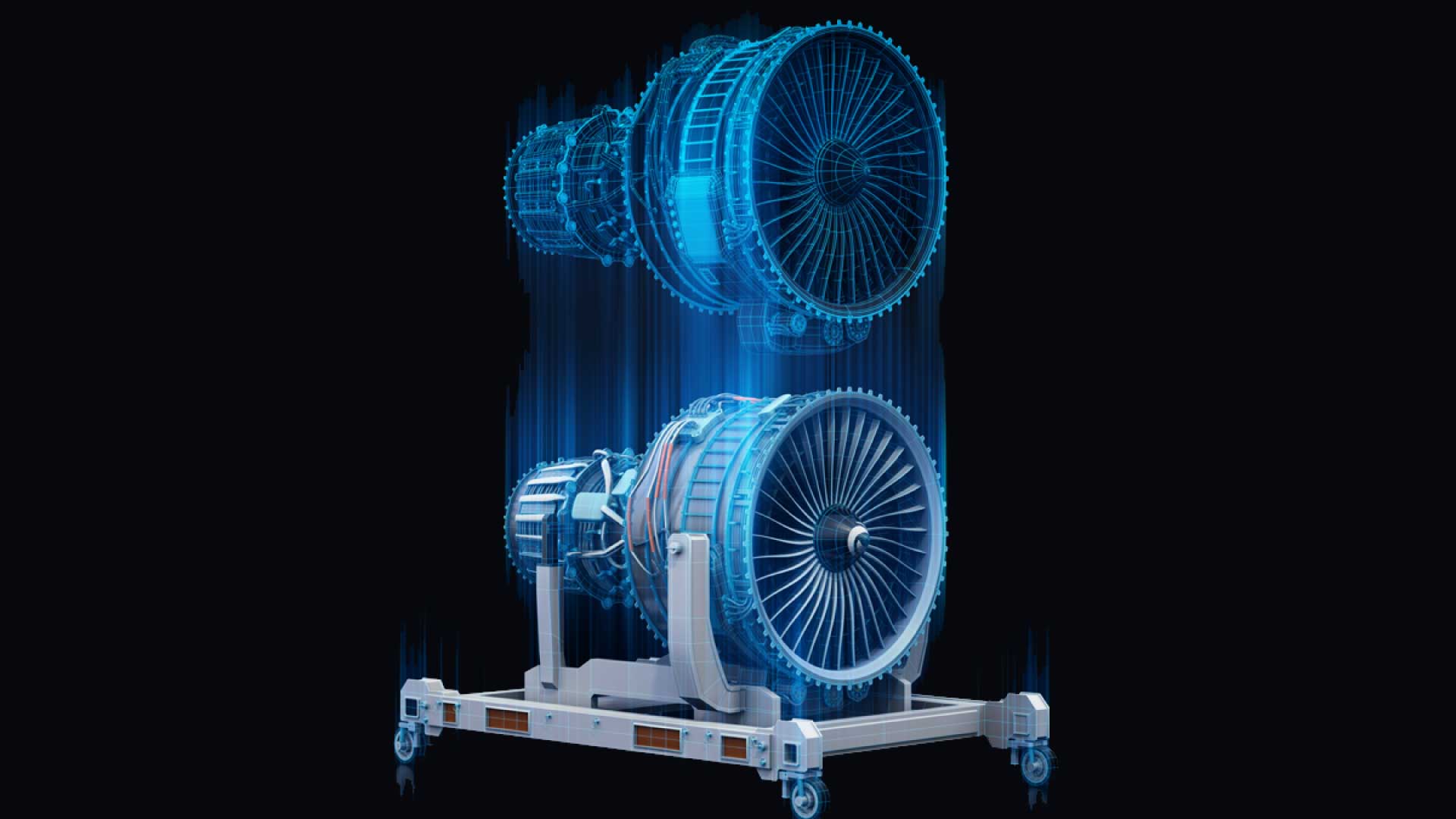
Digital Twin

Communication Interception
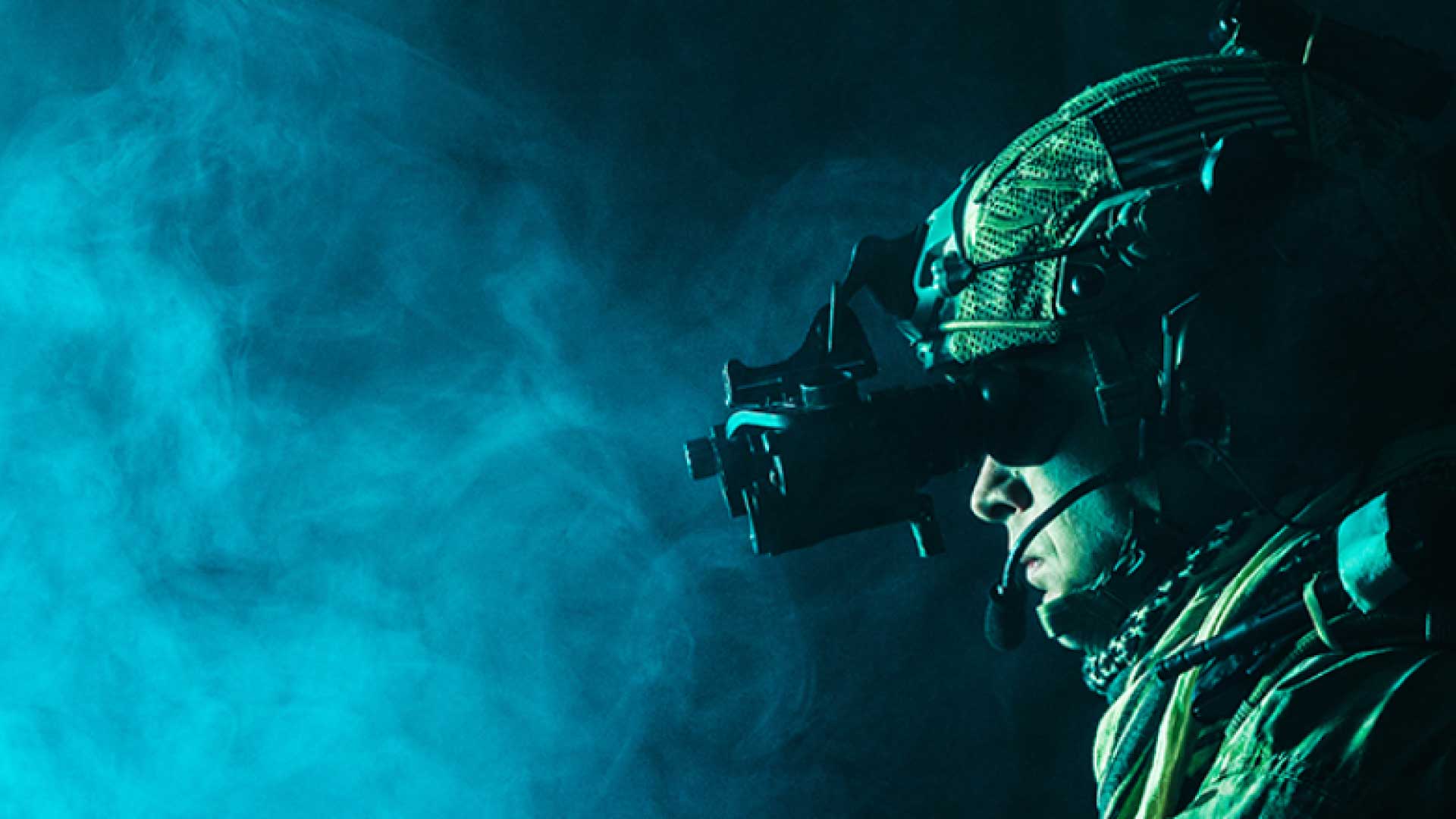
Night Vision Technology
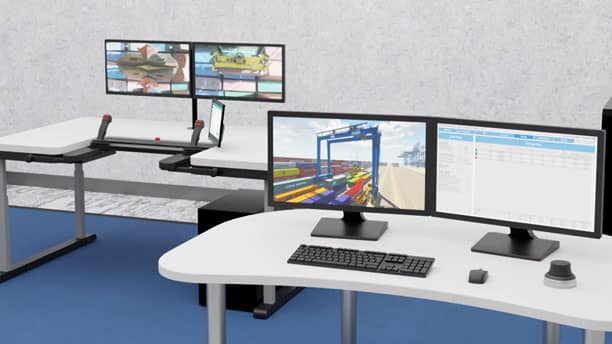
Automated Training Simulator
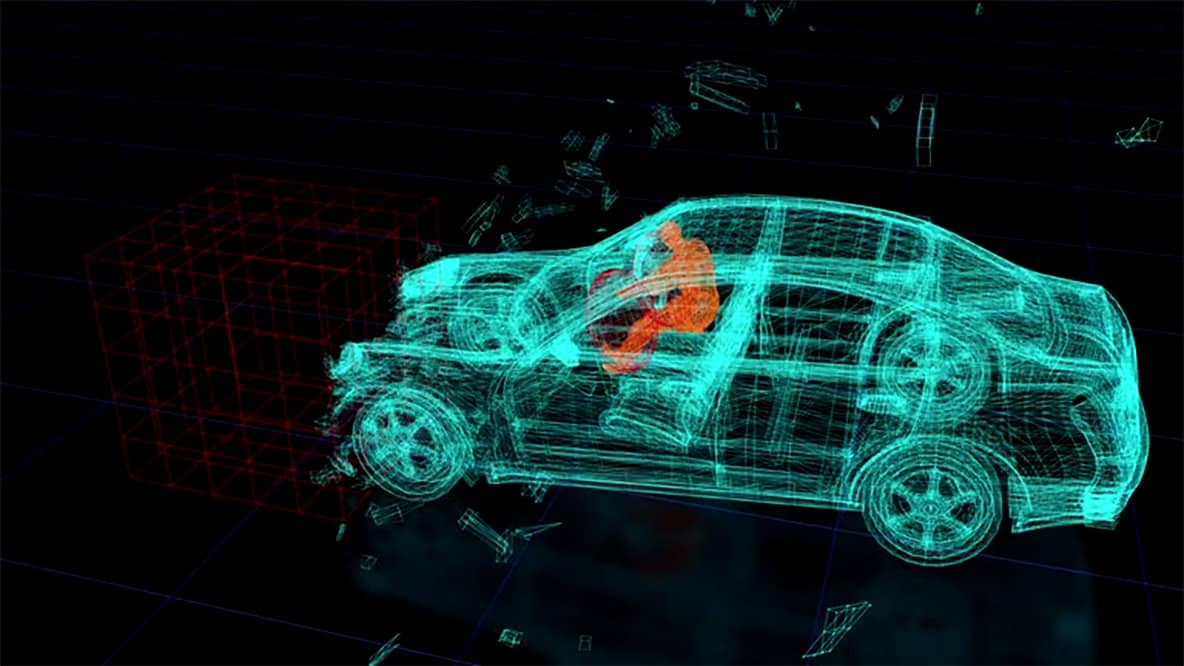
Crash Analysis and Modeling
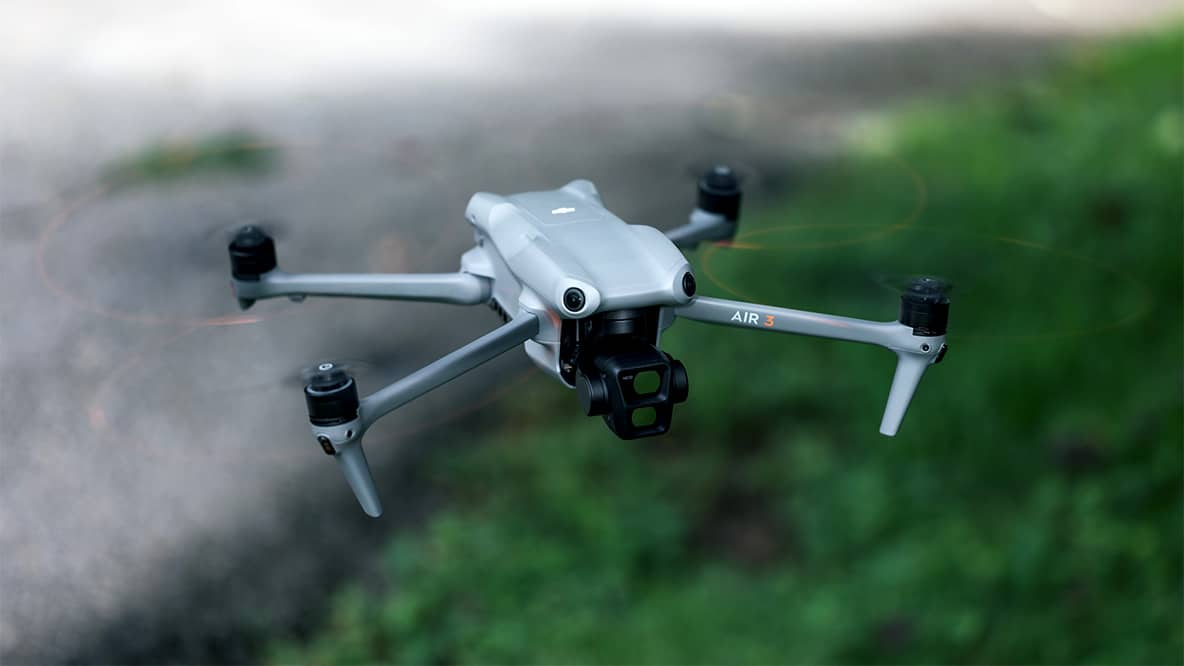
Drone Solution
-Technology-1731220387.jpg)
Electronic Warfare & Radio Frequency (RF) Technology

Automated Calibration System
VVIP Security
-1731221881.jpg)
Secure Communications (RF, Optical and Ethernet)
Defense Modernization Software’s
Topics