Crime Scene Investigation
- Published inDefense & Law Enforcement
- Jun 23, 2024
- 1.56 Min
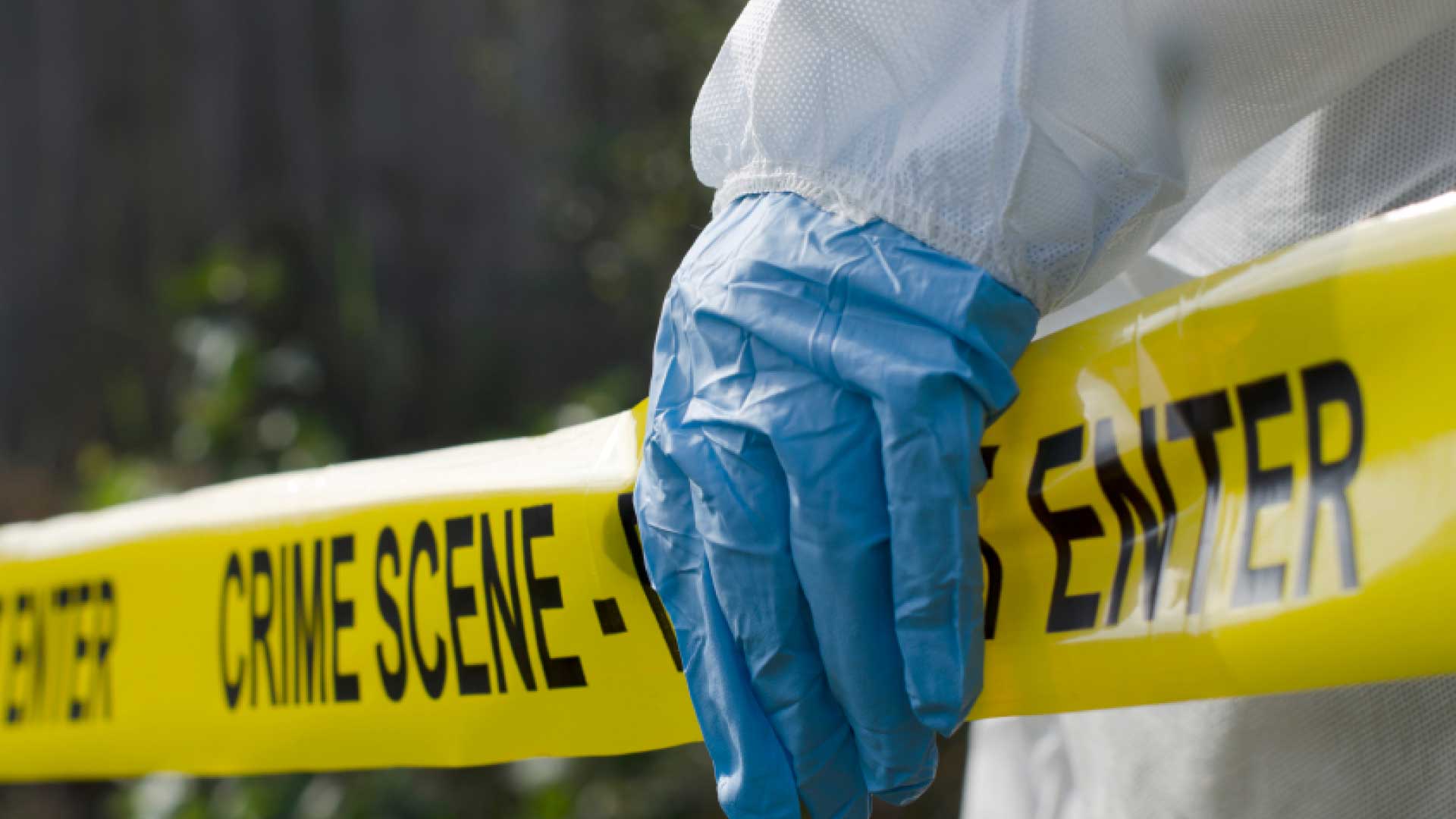
Crime Scene Investigation (CSI) is a critical component of modern law enforcement, merging science, technology, and detective work to solve crimes effectively. From homicides to burglaries, CSIs play a pivotal role in gathering, analyzing, and preserving evidence that can make or break a case.
What is Crime Scene Investigation?
Crime Scene Investigation refers to the process of meticulously examining a location where a crime has occurred. The goal is to collect physical evidence that can help identify suspects, reconstruct events, and support legal proceedings. Investigators rely on a combination of forensic science techniques, criminal profiling, and meticulous documentation to ensure the evidence remains intact and admissible in court.
Key Steps in Crime Scene Investigation
A successful CSI follows a structured approach. Here are the essential steps:
-
Securing the Scene – The first and most critical step is to secure the crime scene to prevent contamination or loss of evidence. This ensures that investigators can work methodically without interference.
-
Documentation – Detailed photographs, sketches, and notes are taken to record the crime scene. Documentation serves as a permanent record of the scene before any evidence is collected.
-
Evidence Collection – Investigators gather physical evidence such as fingerprints, DNA samples, blood stains, weapons, and personal belongings. Proper packaging and labeling are crucial to avoid contamination.
-
Analysis – Once collected, evidence is sent to forensic laboratories for thorough analysis. This may include DNA profiling, fingerprint matching, ballistics testing, and chemical analysis.
-
Reconstruction – Using the evidence, investigators reconstruct the sequence of events leading up to the crime. This helps in understanding motives, suspect behavior, and possible outcomes.
Tools and Technology in CSI
Modern CSIs rely heavily on advanced technology. High-resolution cameras, forensic kits, 3D scanners, and chemical detection tools help investigators uncover even the smallest details. Digital forensics also plays a significant role, as analyzing electronic devices and social media can provide crucial leads.
Importance of Crime Scene Investigation
The accuracy and efficiency of a crime scene investigation can determine the outcome of a case. Well-documented evidence can lead to convictions, prevent wrongful arrests, and ensure justice is served. CSIs bridge the gap between crime and court, turning physical clues into actionable insights.
Crime Scene Investigation is more than just collecting evidence; it is a meticulous scientific process that requires precision, expertise, and attention to detail. By combining forensic science, technology, and investigative skills, CSIs help law enforcement solve complex crimes and bring perpetrators to justice.
Whether you are interested in forensic science as a career or simply curious about how crimes are solved, understanding the fundamentals of crime scene investigation is essential.
Related Industries
Crime Scene Investigation

Forensic investigation

Surveillance System

Digital Twin

Communication Interception

Night Vision Technology

Automated Training Simulator

Crash Analysis and Modeling
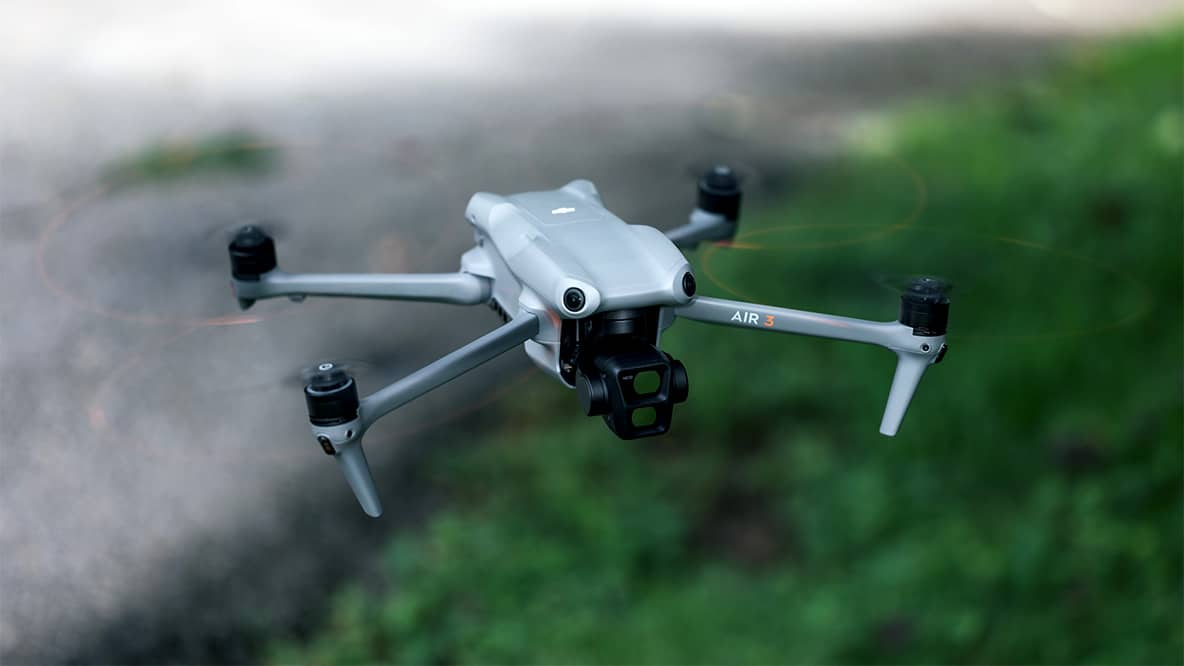
Drone Solution
-Technology-1731220387.jpg)
Electronic Warfare & Radio Frequency (RF) Technology
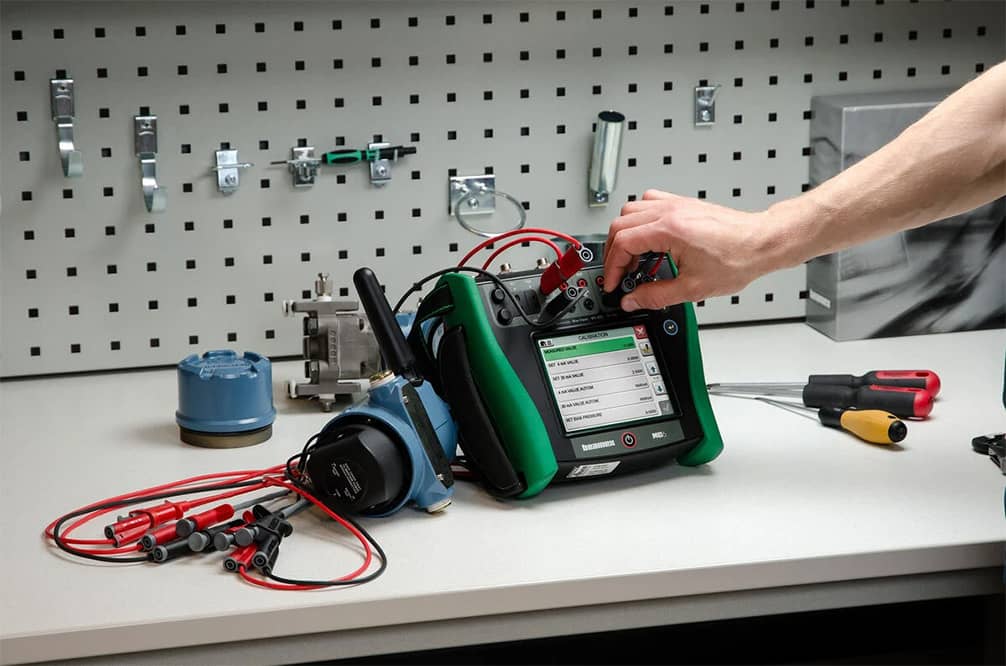
Automated Calibration System

VVIP Security
-1731221881.jpg)
Secure Communications (RF, Optical and Ethernet)

Defense Modernization Software’s
Topics