Night Vision Technology
- Published inDefense & Law Enforcement
- Jun 27, 2024
- 1.44 Min
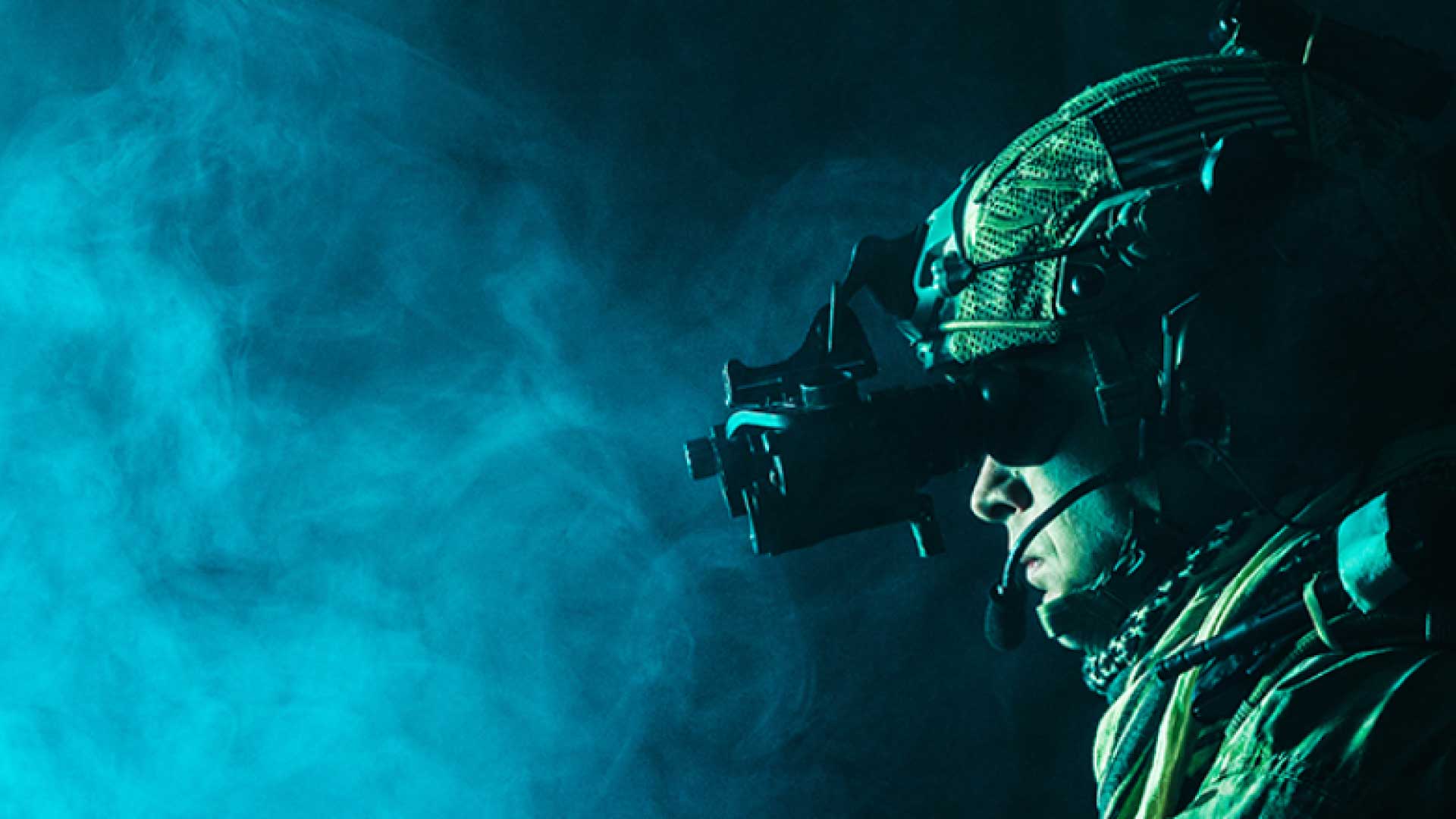
Night vision technology has transformed the way we see and operate in low-light environments. From military operations to wildlife observation, this innovative technology enhances visibility in darkness, making it an indispensable tool for various industries. With continuous advancements, night vision devices are becoming more accessible to civilians, expanding their practical applications.
How Night Vision Technology Works
Night vision technology works by amplifying available light or detecting infrared radiation, converting it into a visible image. There are two main types of night vision systems: image intensification and thermal imaging.
-
Image Intensification: This method captures small amounts of ambient light, such as moonlight or starlight, and amplifies it using a specialized electronic tube. The result is a green-hued image that is clear even in near-total darkness.
-
Thermal Imaging: Unlike image intensification, thermal cameras detect heat emitted by objects and living beings. This allows users to see in complete darkness, fog, or smoke, making it ideal for security and rescue operations.
Applications of Night Vision Technology
Night vision technology is widely used in both professional and recreational settings:
-
Military and Defense: Night vision goggles and scopes are essential for night-time combat and surveillance, providing strategic advantages on the battlefield.
-
Law Enforcement: Police forces use night vision devices for patrolling, search operations, and monitoring high-risk areas.
-
Wildlife Observation: Researchers and enthusiasts can observe nocturnal animals without disturbing their natural habitat.
-
Security and Surveillance: Night vision cameras improve property security by capturing clear images in low-light conditions.
-
Outdoor Activities: Campers, hunters, and explorers use night vision equipment to navigate safely in the dark.
Advantages of Night Vision Technology
Night vision devices offer numerous benefits:
-
Enhanced safety and situational awareness in low-light conditions
-
Ability to monitor areas without artificial lighting
-
Support for law enforcement, defense, and emergency operations
-
Improved wildlife observation without human interference
Future of Night Vision Technology
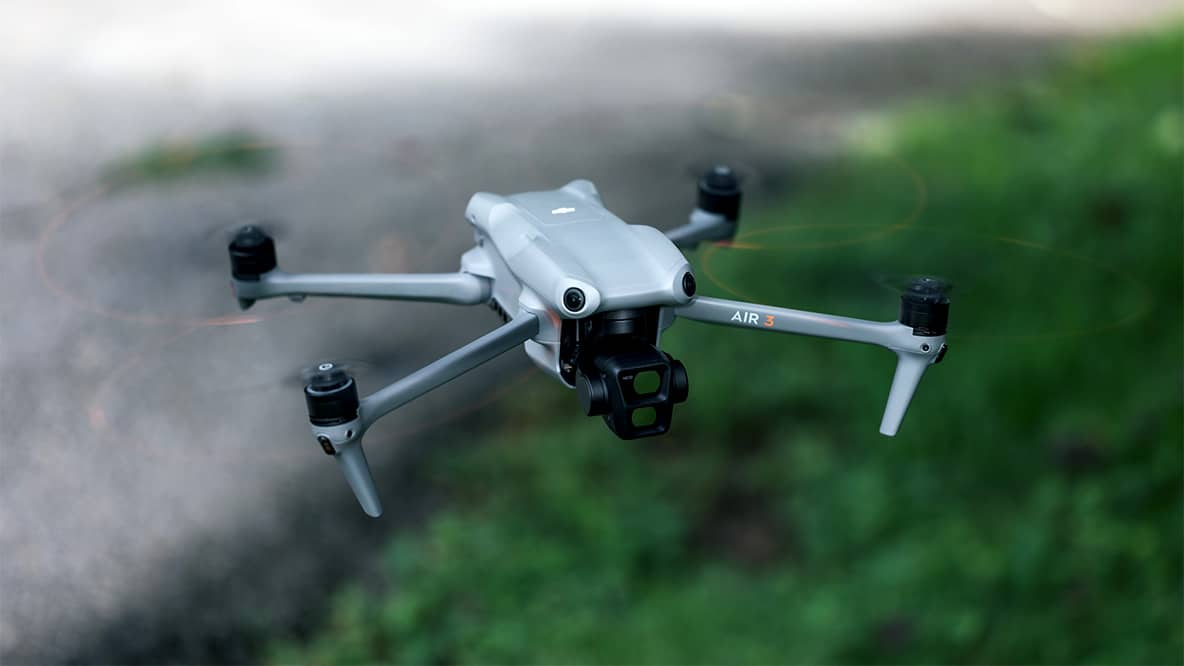
The future of night vision technology looks promising, with innovations focusing on higher resolution, better image quality, and lighter, more compact devices. Integration with smartphones, drones, and wearable devices is expanding accessibility for both professional and personal use.
In conclusion, night vision technology is no longer limited to military applications—it is rapidly becoming a crucial tool for security, research, and outdoor activities. Its ability to provide clear visibility in darkness continues to revolutionize how humans interact with the night, ensuring safety, efficiency, and a new perspective on the world after sunset.
Related Industries

Crime Scene Investigation

Forensic investigation
Surveillance System
Digital Twin

Communication Interception
Night Vision Technology

Automated Training Simulator
Crash Analysis and Modeling
Drone Solution
-Technology-1731220387.jpg)
Electronic Warfare & Radio Frequency (RF) Technology

Automated Calibration System

VVIP Security
-1731221881.jpg)
Secure Communications (RF, Optical and Ethernet)

Defense Modernization Software’s
Topics