Surveillance System
- Published inDefense & Law Enforcement
- Jun 23, 2024
- 1.55 Min
In today’s fast-paced world, security has become a top priority for businesses, homes, and public spaces. A surveillance system plays a crucial role in safeguarding people, property, and assets. From monitoring suspicious activities to providing evidence in case of incidents, modern surveillance systems have become indispensable.
What is a Surveillance System?
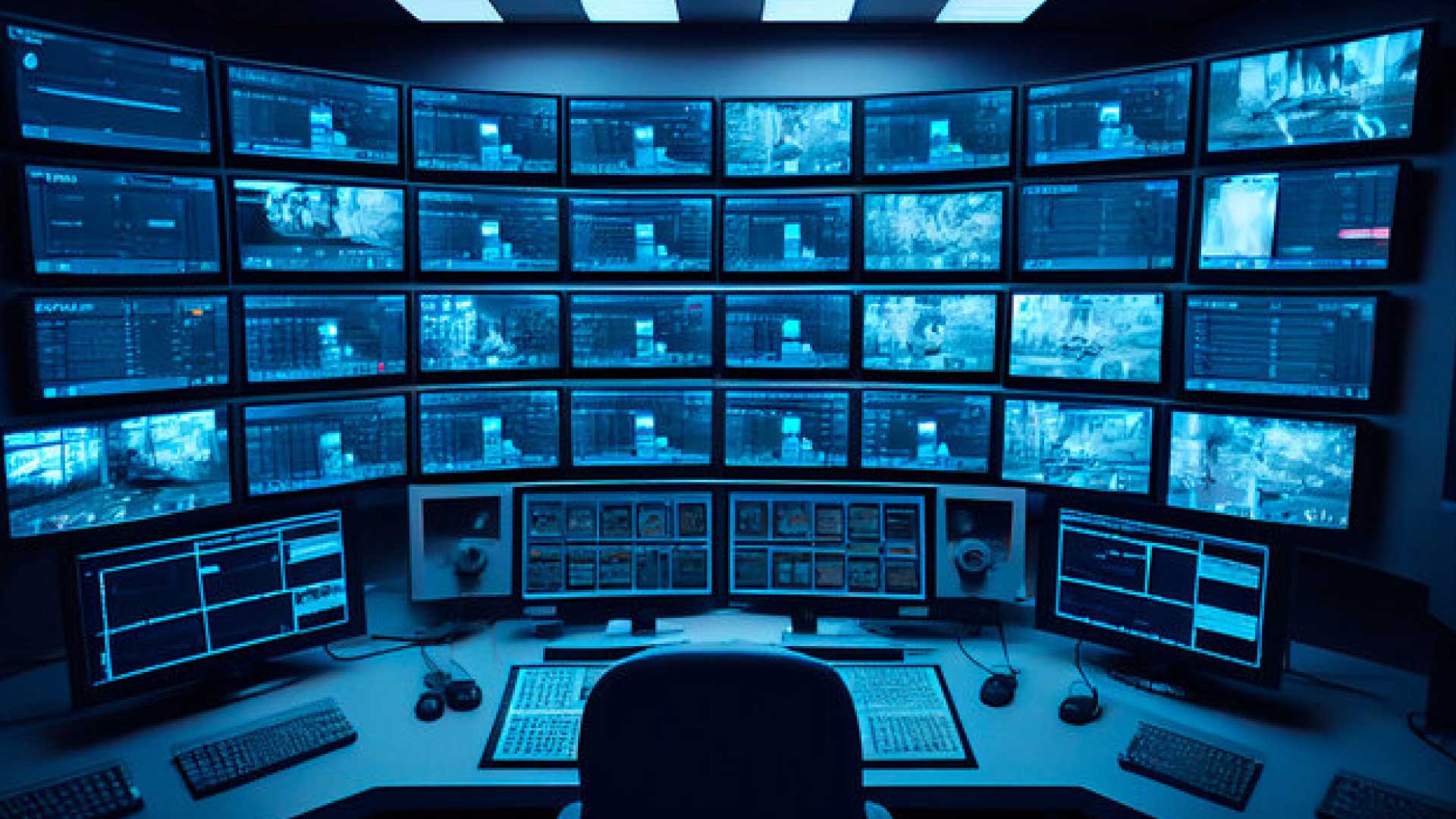
A surveillance system is a combination of devices and technologies used to monitor, record, and manage activities in a specific area. These systems can include cameras, sensors, alarms, and software to analyze and store data. Surveillance systems are widely used in offices, shopping centers, streets, airports, and residential properties to prevent theft, vandalism, and unauthorized access.
Types of Surveillance Systems
Surveillance systems can vary based on technology, coverage, and purpose. The most common types include:
-
CCTV Cameras (Closed-Circuit Television) – These are traditional cameras used to monitor areas in real-time or record for later review.
-
IP Cameras (Internet Protocol Cameras) – These digital cameras transmit footage over the internet, enabling remote monitoring from smartphones or computers.
-
Wireless Cameras – Flexible and easy to install, these cameras communicate wirelessly with monitoring systems.
-
Infrared/Night Vision Cameras – Ideal for low-light conditions, these cameras provide visibility in complete darkness.
-
Motion Detection Cameras – Trigger recording only when movement is detected, saving storage and enhancing efficiency.
Benefits of Installing a Surveillance System
Investing in a surveillance system offers numerous advantages:
-
Crime Prevention: Visible cameras act as a deterrent for criminal activity.
-
Remote Monitoring: Modern IP cameras allow real-time monitoring from any location.
-
Evidence Collection: Recorded footage can serve as legal evidence during disputes or investigations.
-
Operational Efficiency: Businesses can monitor employees and operations to improve productivity.
-
Peace of Mind: Knowing that a surveillance system is in place helps property owners feel secure.
Choosing the Right Surveillance System
Selecting the right surveillance system depends on your specific needs and environment. Consider the following factors:
-
Coverage Area: Determine the areas that need monitoring.
-
Camera Type: Choose between wired or wireless, indoor or outdoor cameras.
-
Storage Options: Decide whether cloud storage or local storage suits your requirements.
-
Budget: Evaluate the cost versus the features and quality of the system.
-
Integration: Ensure compatibility with existing security measures, alarms, or access control systems.
A well-planned surveillance system is more than just a security tool; it is an investment in safety and peace of mind. With advances in technology, modern systems offer smart features like AI-based motion detection, facial recognition, and remote monitoring. Whether for personal or business use, installing a surveillance system is an essential step toward creating a secure environment.
Related Industries
Crime Scene Investigation
Forensic investigation
Surveillance System
Digital Twin
Communication Interception
Night Vision Technology
Automated Training Simulator
Crash Analysis and Modeling
Drone Solution
Electronic Warfare & Radio Frequency (RF) Technology
Automated Calibration System
VVIP Security
Secure Communications (RF, Optical and Ethernet)
Defense Modernization Software’s
Topics